

How Pewter Became the Soul of the French Bar — and Why It Belongs in Your Next Project
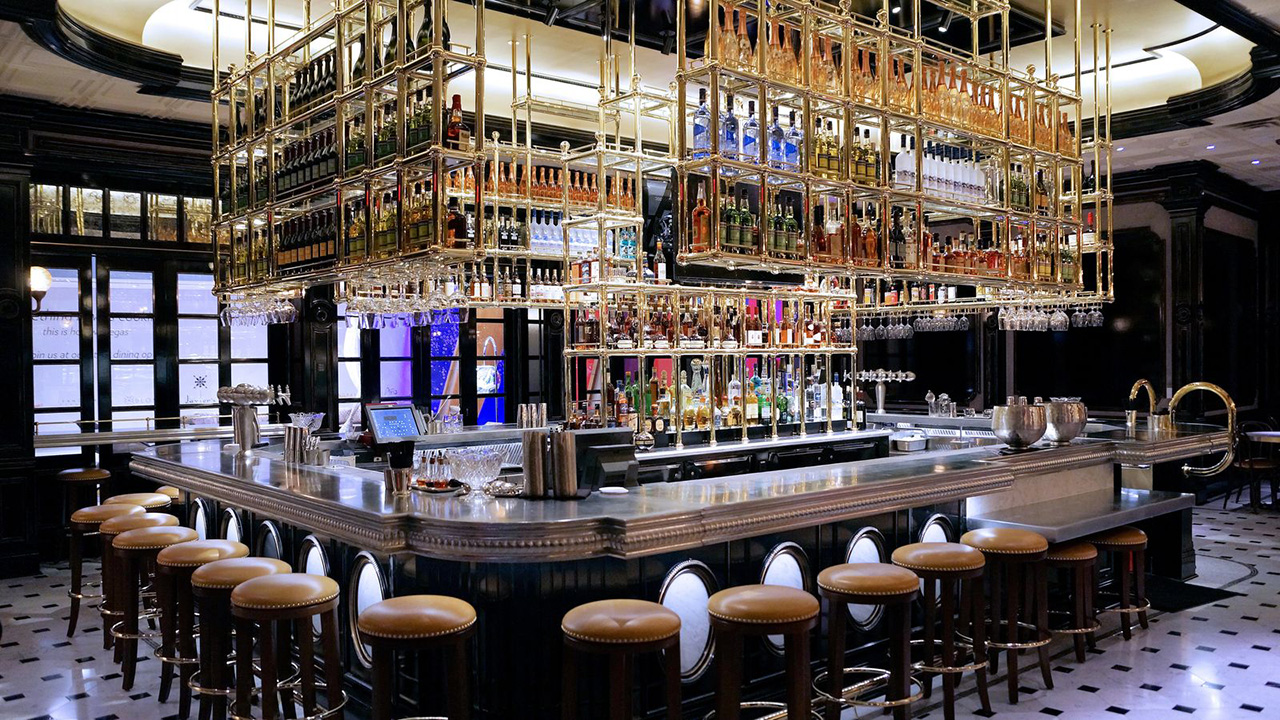
Walk into a classic Parisian bistro and you will notice it immediately: a long, low counter with a surface that glows like polished moonlight, softened by decades of use into something quieter and richer. Regulars lean against it. Glasses leave their rings. The barman wipes it down with a practiced stroke. That surface is not cold. It is not sterile. It is alive — and it has been aging gracefully in this same spot, perhaps, since before your grandfather was born.
That surface is pewter. And the story of how it came to define an entire culture of luxury drinking is one of the most quietly misunderstood chapters in the history of hospitality design.
“Le Zinc” — The Famous Misnomer That Has Lasted 150 Years
Ask any Parisian where they are headed for an afternoon glass of wine and they will say au zinc — to the zinc. The phrase is so deeply embedded in the city’s social vocabulary that entire books and films have borrowed it. Yet here is what the design and hospitality world rarely stops to acknowledge: the famous Parisian bar top is not zinc. It is pewter.
The confusion is understandable and, by now, thoroughly historical. In the mid-nineteenth century, Haussmann’s renovation of Paris transformed the city’s street-level commercial life. Bistros multiplied. Bar counters needed a surface that was durable, hygienic, workable by hand, and visually sophisticated enough to match the new bourgeois aesthetic emerging in the city’s neighborhoods. Pewter — a malleable alloy composed primarily of tin, with small additions of copper, antimony, or bismuth — answered every one of those requirements beautifully.
The material was hand-cast, hand-finished, and installed by skilled metalworkers. Over time, as zinc became a dominant material in Parisian architecture — covering rooftops, lining gutters, shaping the ornamental details of Haussmann’s buildings — the two metals blurred together in popular language. The bar tops became le zinc by association, by accident, and eventually by tradition. The misnomer stuck.
What did not stick, of course, were the rooftops. Zinc and pewter are distinct alloys with distinct properties, distinct aesthetics, and distinct behavior over time. If you are specifying a bar top and you want the authentic French bistro surface — the one with centuries of craft heritage behind it — you are specifying a pewter bar top, not zinc.
What Makes Pewter the Right Metal for a Bar Surface
The case for pewter in hospitality design is not sentimental. It is material.
Composition and Workability
Pewter is composed predominantly of tin — typically 85 to 99 percent — with the remaining alloy additions providing hardness and workability. This composition makes pewter softer and more malleable than brass or bronze, which is precisely what allows skilled artisans to hand-cast and hand-finish it into surfaces of remarkable detail and refinement. At La Bastille, we work with pewter at its highest quality, sourced and fabricated entirely in the USA by our in-house team of designers and artisans.
That workability translates directly to design flexibility. Edge profiles, surface textures, ornamental detailing — pewter accepts all of it without compromise. Whether your concept calls for clean contemporary lines or something closer to the deeply traditional French bistro aesthetic, pewter can be hand-crafted to meet it precisely.
The Living Finish
Pewter is what we call a living metal. Left to develop naturally, a polished pewter bar top will evolve over time toward a muted, luminous gray or charcoal patina — deeper where hands have rested, lighter where cloth has buffed, rich with the record of every year of use. This is not wear. This is character. This is exactly the quality that makes a forty-year-old Parisian zinc bar more beautiful than the day it was installed.
Alternatively, pewter can be maintained at a near mirror-like polish with regular care. The choice belongs entirely to the operator and their design intent. Few surfaces in hospitality give you that range.
Hygiene and Durability in a Commercial Environment
A bar top lives a hard life. It endures spilled wine, dragged glassware, cleaning chemicals, and the constant friction of daily service. Pewter has been performing under precisely these conditions in French bistros and brasseries for well over a century. It is not a decorative choice pretending to be a functional one. It is a material that was chosen by working establishments for working surfaces and has proven itself across generations of hospitality.
The Pewter Bar Top in Contemporary Luxury Hospitality
The French bistro tradition does not belong only to France. Over the past decade, the aesthetic intelligence it represents — warmth, craft, materiality, the dignity of a surface that improves with age — has become central to how the world’s best designers are thinking about luxury hospitality.
A polished pewter bar top reads immediately as considered. Guests who have traveled widely recognize it, consciously or not, as something that was made — not manufactured, not laminated, not simulated. In an era when hospitality interiors are often indistinguishable from one another, a hand-cast pewter countertop is a statement of conviction.
We have seen this play out across projects with hospitality groups, boutique hotels, and fine dining establishments throughout North America. The designers and architects who specify pewter are not chasing trend. They are reaching back toward a standard of material quality that has already proven itself across centuries of daily use — and bringing it forward into a contemporary context with precision and intention.
Pewter Alongside Other Living Metals
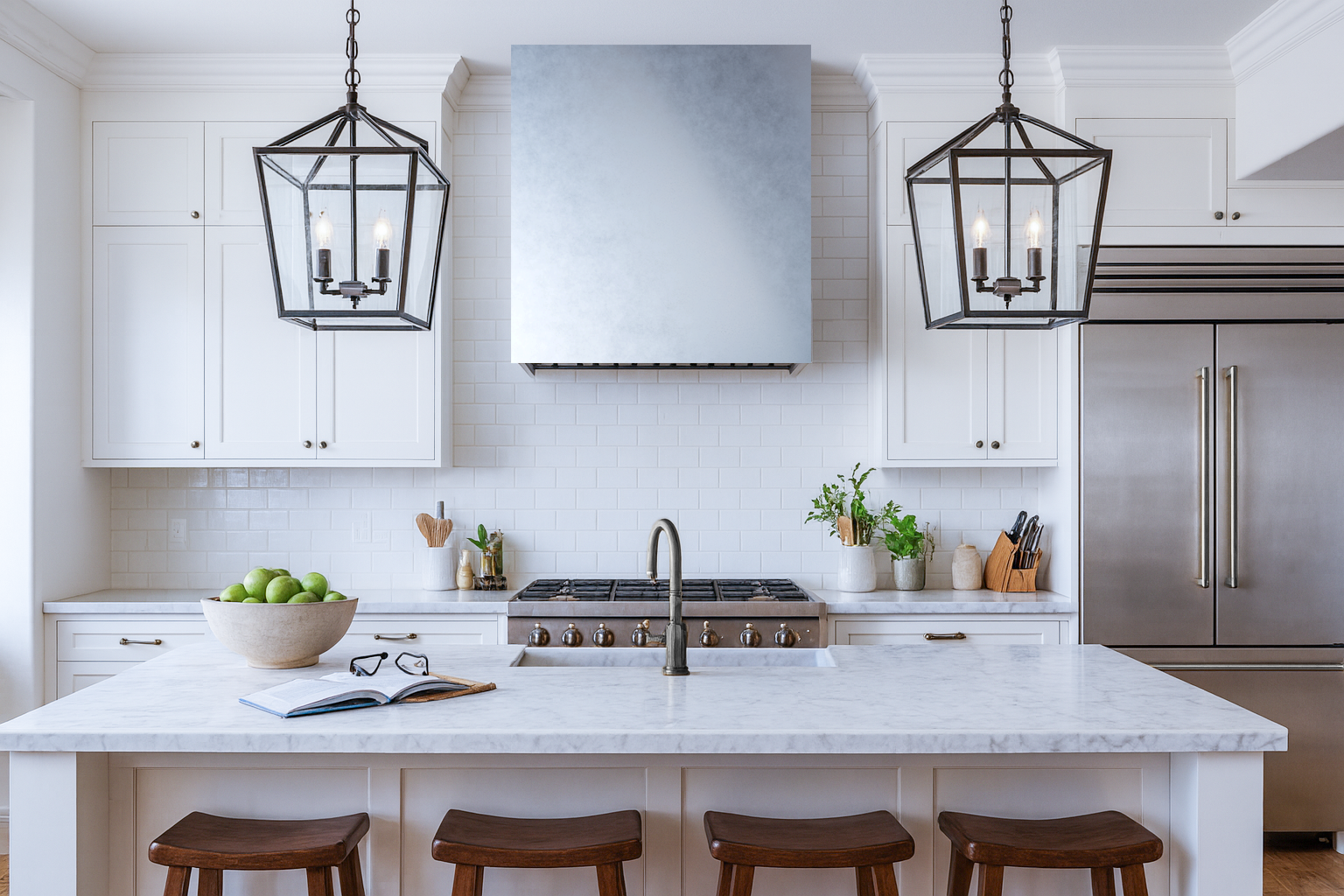
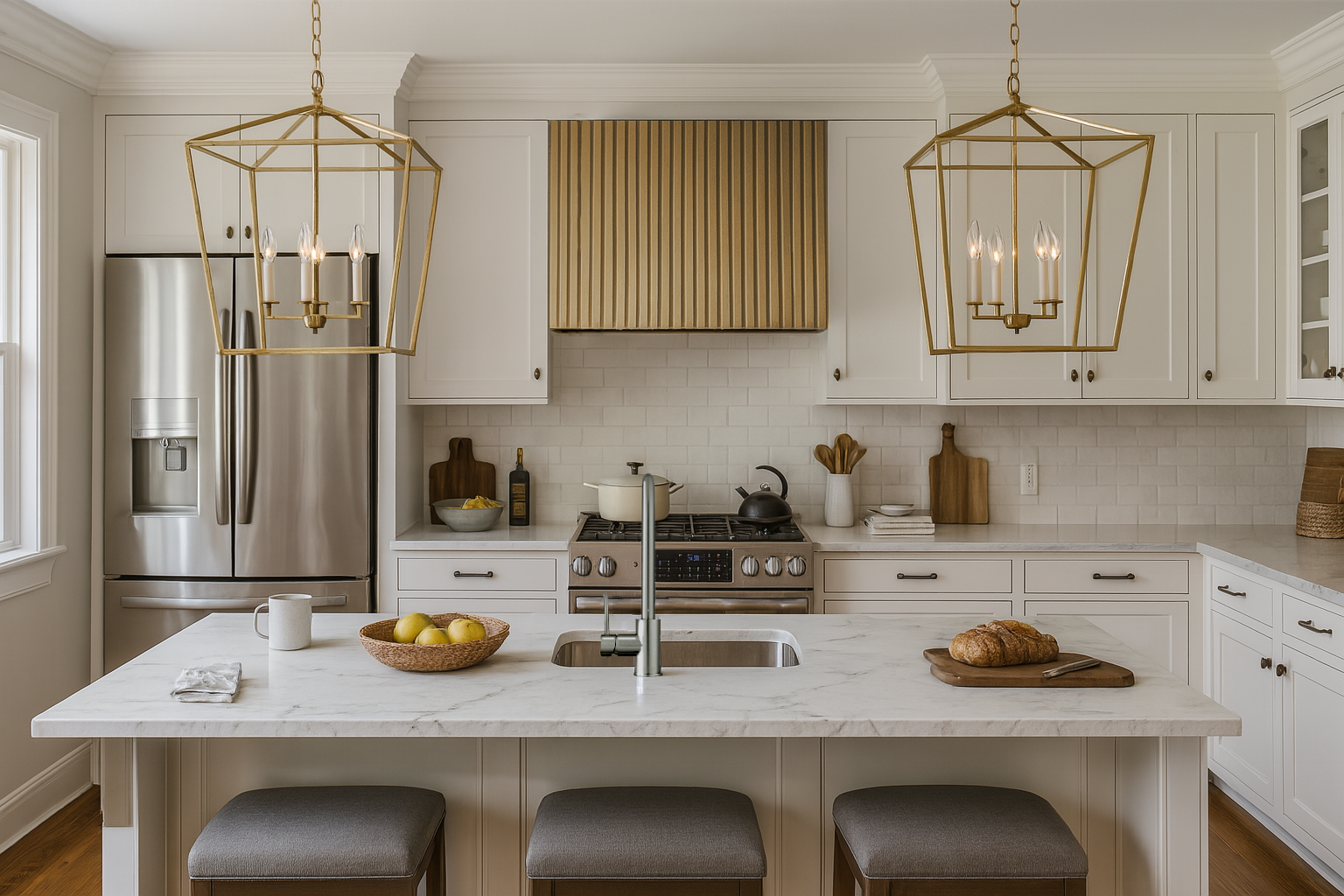
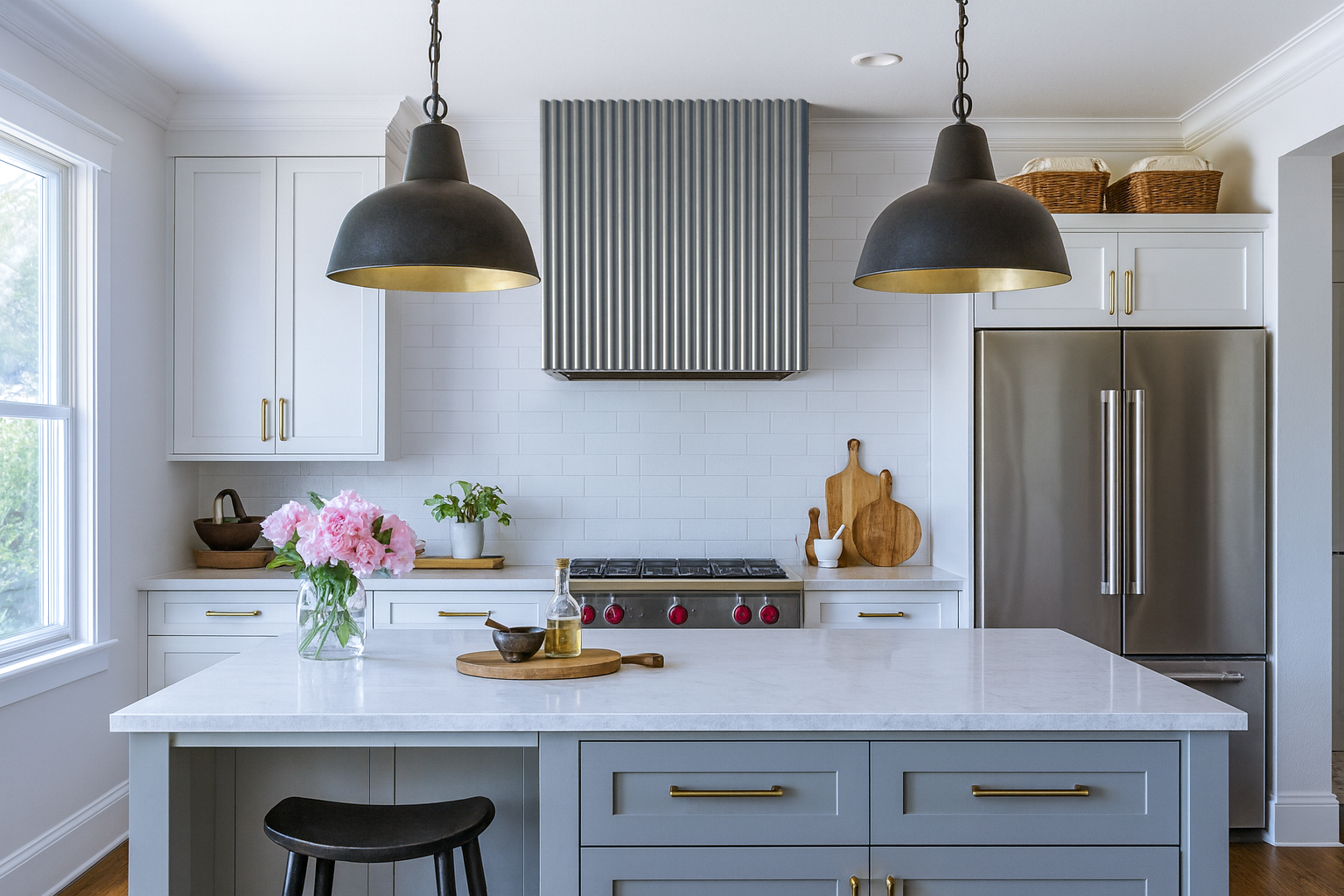
One of the strengths of the pewter bar top is how naturally it coexists with other materials in a complex interior. Its cool, silvery-gray tone complements the warm amber of brass, the deep red-brown of copper, the sculptural solidity of bronze. At La Bastille, we routinely collaborate with design teams on projects where multiple cast metals are specified together — perhaps a pewter bar top with a brass foot rail, or a pewter countertop alongside copper range hood work in an open kitchen. These combinations, when handled with craftsmanship and intention, produce interiors of genuine distinction.
Specifying a Pewter Bar Top: What Design Professionals Need to Know
If you are working on a hospitality or luxury residential project and considering a pewter bar top, here is what matters at the specification stage.
Custom Fabrication vs. Standard Product
Pewter bar tops are not a commodity item. Every project we fabricate at La Bastille is custom — built to your exact dimensions, edge profiles, and finish specifications. We begin every engagement with a detailed design consultation, produce technical shop drawings for your review, and fabricate each piece by hand in our USA facility. There are no shortcuts in this process, and we would not have it any other way.
Lead Times
For custom pewter bar tops, our typical lead time is 12 to 14 weeks from approved drawings. We recommend engaging our team early in the project timeline — ideally at the design development stage — so that specifications are locked in without pressure and the fabrication schedule aligns cleanly with your installation window.
Edge Profiles and Surface Options
We offer an expanded selection of both traditional and contemporary edge profiles for our pewter bar tops, ranging from the classic rounded bistro edge that echoes the original Parisian installations to cleaner, more architectural profiles suited to modern luxury interiors. Surface finish options span from the high-polish mirror effect to softer, more matte finishes that will age toward that characteristic pewter patina.
Maintenance Guidance
We provide every client with clear, specific maintenance guidance for their pewter surface. The short version: pewter is low maintenance. Wipe it down with a soft cloth. Avoid harsh abrasives. If you want to preserve or enhance the polish, a light periodic buffing with the appropriate compound will do it. If you prefer to let it develop its natural patina, simply leave it to live. Both paths lead somewhere beautiful.
Frequently Asked Questions
Is a pewter bar top the same as a zinc bar top?
No — though the confusion is very common, rooted in the French le zinc tradition. Classic Parisian bistro bar tops are made from pewter, not zinc. Both are living metals with genuine craft heritage and appropriate applications in hospitality design, but they are distinct alloys with different compositions, aesthetics, and performance characteristics. If your goal is the authentic French bistro surface, you are looking for pewter.
How durable is a pewter countertop in a commercial bar environment?
Pewter has been used as a bar surface in working French bistros and brasseries for well over a century. It is a proven commercial material. It will show the marks of use over time — which is part of its appeal — but it is not fragile. Properly fabricated and installed, a pewter bar top is a multi-decade investment.
Can pewter bar tops be made to custom sizes and shapes?
Yes. At La Bastille, every pewter bar top is fabricated entirely to custom specifications. We work from your drawings and dimensions, produce detailed technical shop drawings for your approval, and hand-craft each piece in our USA facility.
What is the typical lead time for a custom pewter bar top?
Our typical lead time is 12 to 14 weeks from approved shop drawings. We recommend initiating your inquiry early in the project process to ensure the fabrication timeline integrates smoothly with your overall project schedule.
Does pewter require a lot of maintenance in a bar setting?
Pewter is a low-maintenance surface. Regular wiping with a soft cloth is sufficient for daily care. It will develop a natural patina over time — a muted gray or charcoal tone — which many operators and designers find more beautiful than the original polished finish. If a high-polish look is preferred, periodic buffing will restore it.
The Standard the French Set — and the One We Hold
There is a reason the classic Parisian bistro bar has been considered one of the most refined surfaces in the history of hospitality design. It was not chosen by accident. It was chosen by people who understood materials, who valued craft, and who were building environments meant to last not years but generations.
At La Bastille, we handcraft pewter bar tops and countertops that honor that tradition while serving the specific vision of each project we take on. Our in-house team of designers and artisans brings both technical rigor and genuine pride in the work to every engagement. We collaborate closely with architects, designers, and hospitality groups throughout North America — and we understand that what we are building together is not just a surface. It is the material foundation of an experience.
If you are specifying a luxury bar top and you want to get it right — historically, aesthetically, and practically — we would welcome the conversation.
Reach out to the La Bastille team to begin your project consultation. We respond within one to two business days and will connect you directly with one of our in-house designers to begin developing your specifications.