

Metal has been a fixture of working surfaces for centuries — long before it became a hallmark of luxury residential design. From the worn pewter bar tops of 19th-century Parisian bistros to the hand-cast zinc countertops gracing modern restaurant interiors and high-end homes, the story of metal in architectural and culinary spaces is one of enduring utility, evolving craft, and quiet elegance. Understanding that history makes it easier to appreciate why these surfaces have not simply survived — they have flourished.
The Parisian Origins: Pewter, Zinc, and the French Bar Top Tradition
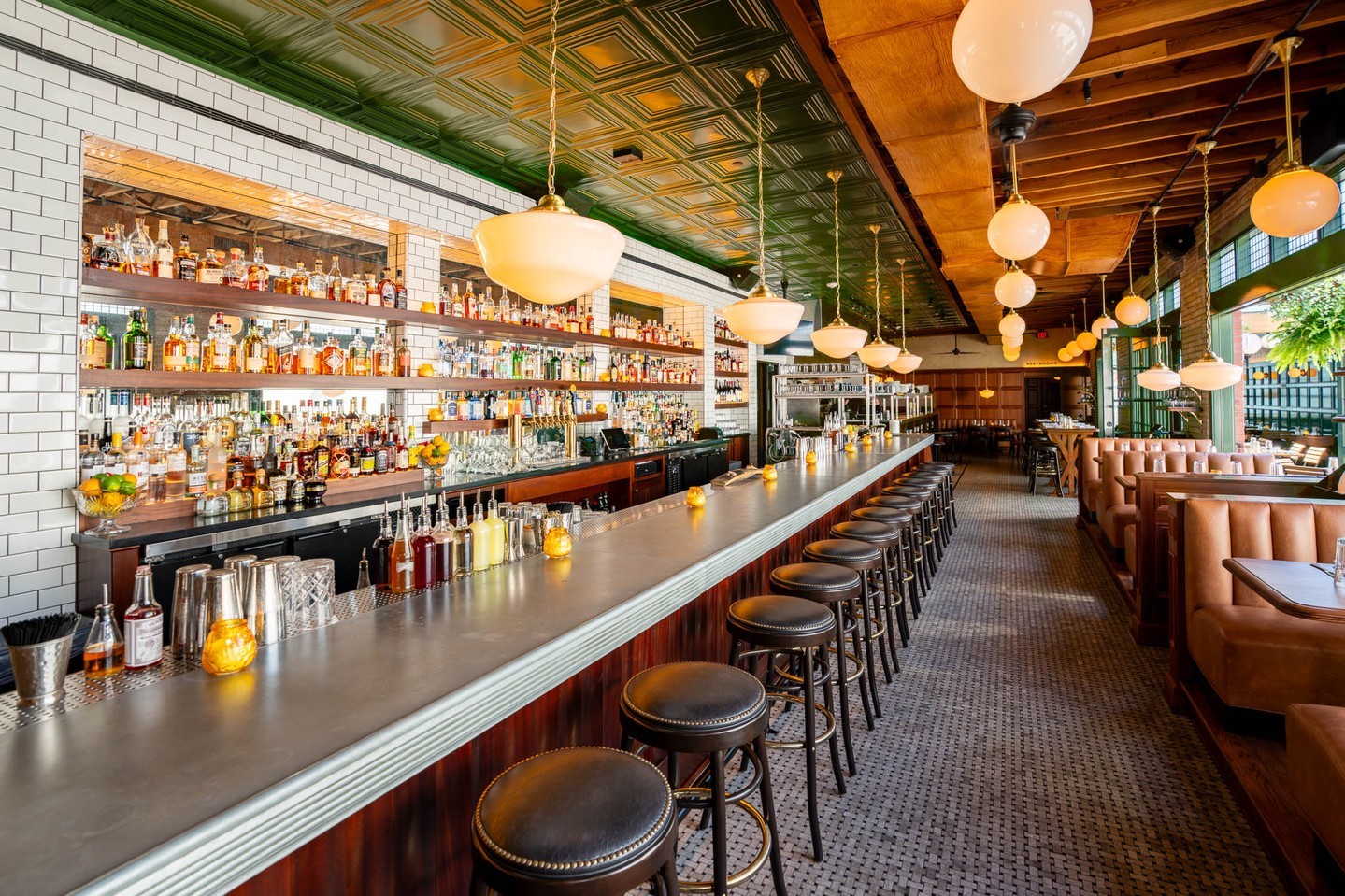
To trace the history of metal countertops with any seriousness, you have to begin in France. In the 19th century, the café culture of Paris was inseparable from the bar surface itself. The long, heavy counters of French bistros and brasseries were typically surfaced in pewter — a malleable alloy composed primarily of tin — chosen for its durability, its ease of cleaning, and its distinctly elegant silver tone.
Here is where a charming historical confusion persists: Parisian bars are famously called le zinc, a name that has become so culturally entrenched that it functions almost as a synonym for a traditional French café. And yet, the surfaces being referenced were almost certainly pewter, not zinc. The misidentification likely stems from the prominence of zinc in other visible architectural applications throughout the city — zinc roofing, zinc gutters, ornamental zinc façade details. Zinc was everywhere in 19th-century Paris, both above and below street level. It became the shorthand for a material culture, even when the specific application in question was technically its cousin.
What mattered most in those early bistro environments was function. A pewter bar top could withstand the constant slide of glasses, the splash of wine and spirits, the weight of elbows through long Parisian evenings. It was easy to wipe clean. It did not splinter, crack, or rot. And over time — this is the quality that would come to define the entire tradition of living metals — it developed a patina. The surface aged. It told a story. It became richer with use rather than diminished by it.
That philosophy has never left the craft.
Zinc in European Architecture: A Material With Deep Roots
While pewter was conquering the interiors of Parisian bars, zinc was reshaping the exterior face of European cities. From the mid-1800s onward, zinc became one of the dominant roofing materials across France, Belgium, and Germany. The iconic grey-blue roofscape of Paris — that sweeping, silvery expanse visible from elevated vantage points across the city — is, in large part, a zinc roofscape.
The material was ideal for architectural applications. Zinc is naturally resistant to corrosion, forming a protective patina layer of zinc carbonate over time that actually shields the metal beneath. It is lightweight relative to its durability. It can be formed, pressed, and cast into extraordinarily complex shapes — ornamental downspouts, decorative cornices, window surrounds, rooftop balustrades. In an era before the full industrialization of architectural materials, zinc offered a craftsperson-friendly surface that rewarded skilled hands.
This same adaptability would eventually make zinc compelling as a horizontal surface — a countertop, a bar top, a kitchen work surface. Its design range is genuinely wide: zinc can be rendered in sleek, modern profiles that read as thoroughly contemporary, or worked with detail and depth to suggest something far older. Its blue-grey tone is distinctive without being aggressive. And like the pewter bar tops of those French bistros, zinc ages beautifully, developing warmth and character with use that simply cannot be replicated by machine-made synthetic surfaces.
The 20th Century: Metal in Commercial and Industrial Contexts
Through the early and mid-20th century, metal surfaces in working environments were largely the domain of utility. Commercial kitchens turned to stainless steel for its hygienic properties and resistance to high-heat applications. Industrial spaces used metal wherever durability was the paramount concern. These were not design decisions in the aesthetic sense — they were practical ones.
But within the hospitality world, particularly in Europe, the tradition of the metal bar top never entirely disappeared. Classic French brasseries preserved their pewter surfaces through decades of modernization simply because replacing them would have been unthinkable — those surfaces were the brasserie. They were the atmosphere. They carried the memory of the place in their patina.
In North America, the mid-century moment largely bypassed the tradition of cast metal surfaces in favor of laminate, tile, and eventually engineered stone. Metal was present, but mostly as an industrial material — stainless steel in commercial kitchens, copper in brewing and distilling contexts — rather than as a considered design choice for the surfaces most visible to guests and residents.
That would change.
The Resurgence: Metal Countertops Enter the Luxury Design Conversation
The turn of the 21st century brought with it a broader reassessment of materials in high-end residential and commercial design. As a reaction against the dominance of engineered stone and uniform synthetic surfaces, designers and architects began looking for materials that carried genuine history — surfaces that would evolve rather than simply endure, that would reflect the life lived around them.
Cast metals answered that call with particular eloquence.
Zinc countertops began appearing in restaurant interiors that wanted to evoke the warmth of a European bistro without slavish imitation. Copper emerged as a material of choice for bar tops in craft cocktail bars and boutique hotels that valued authenticity of material alongside quality of experience. Pewter — the original Parisian bar surface — was rediscovered by a new generation of designers drawn to its sophisticated silver tone and its extraordinary patina potential.
Bronze, traditionally a sculptural material, found its way onto countertops and architectural surfaces in residential projects that called for something with genuine weight and presence. Brass became a kitchen and bar material of remarkable versatility, offering finish options ranging from warm polished gold to richly antiqued tones. Each of these metals brings something irreplaceable to the surfaces it occupies: a sense of permanence, of craft, of honest materiality that synthetic alternatives simply cannot manufacture.
What Makes Living Metals Different
The concept of a living metal is worth dwelling on, because it is central to understanding both the historical appeal of these surfaces and their resurgence in contemporary design.
A living metal changes over time. It responds to use, to humidity, to the oils and acids present in everyday life. Pewter polished to a mirror finish will, if left to its own processes, develop a muted charcoal patina of extraordinary beauty. Zinc, already grey-blue in its fresh state, deepens and warms with age. Copper shifts through a remarkable spectrum — from its initial bright reddish-gold through warm ambers to eventual verdigris in the right conditions. Bronze darkens and develops its own unique use patterns, each surface telling the particular story of where it has been and how it has been used.
This is precisely the quality that made those original Parisian pewter bar tops irreplaceable. A forty-year-old bistro surface carries forty years of history in its finish. It cannot be faked or fast-tracked. And it is precisely why heirloom-quality cast metal surfaces reward a long view — they become more themselves over time, not less.
Sustainability and the Modern Material Case for Metal
Beyond aesthetics and history, living metals make a compelling contemporary case on sustainability grounds. Zinc, pewter, brass, bronze, and copper are all highly recyclable materials with long service lives. A well-made cast zinc countertop or pewter bar top, properly cared for, will outlast many generations of renovation cycles. The longevity of the material itself reduces the environmental cost of replacement.
This aligns well with a broader shift in luxury design sensibility — away from the disposable and toward the enduring. The most considered residential and hospitality interiors today are being designed not for a trend cycle, but for a lifetime. Cast metal surfaces fit naturally into that philosophy.
From French Bistros to Modern American Kitchens
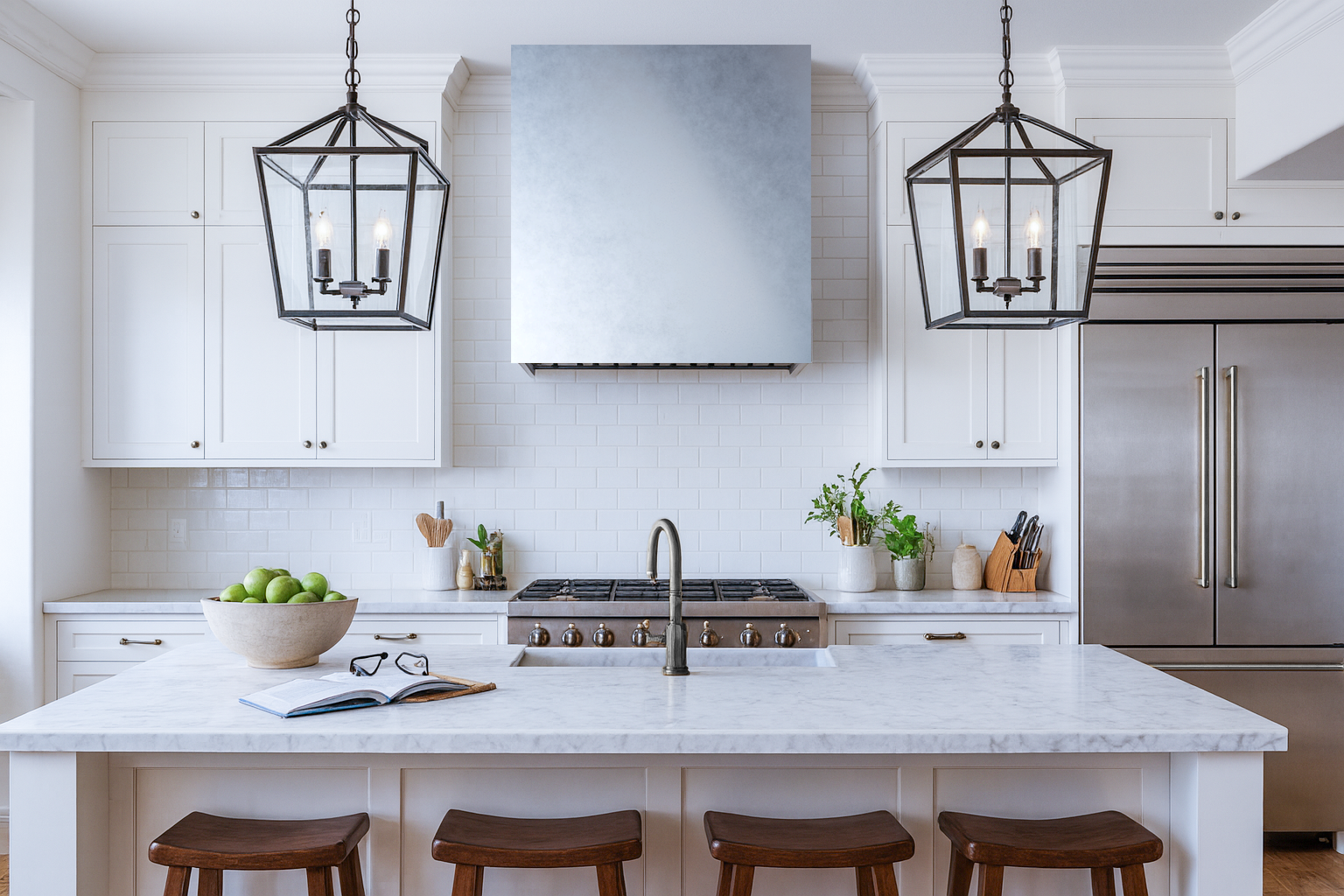
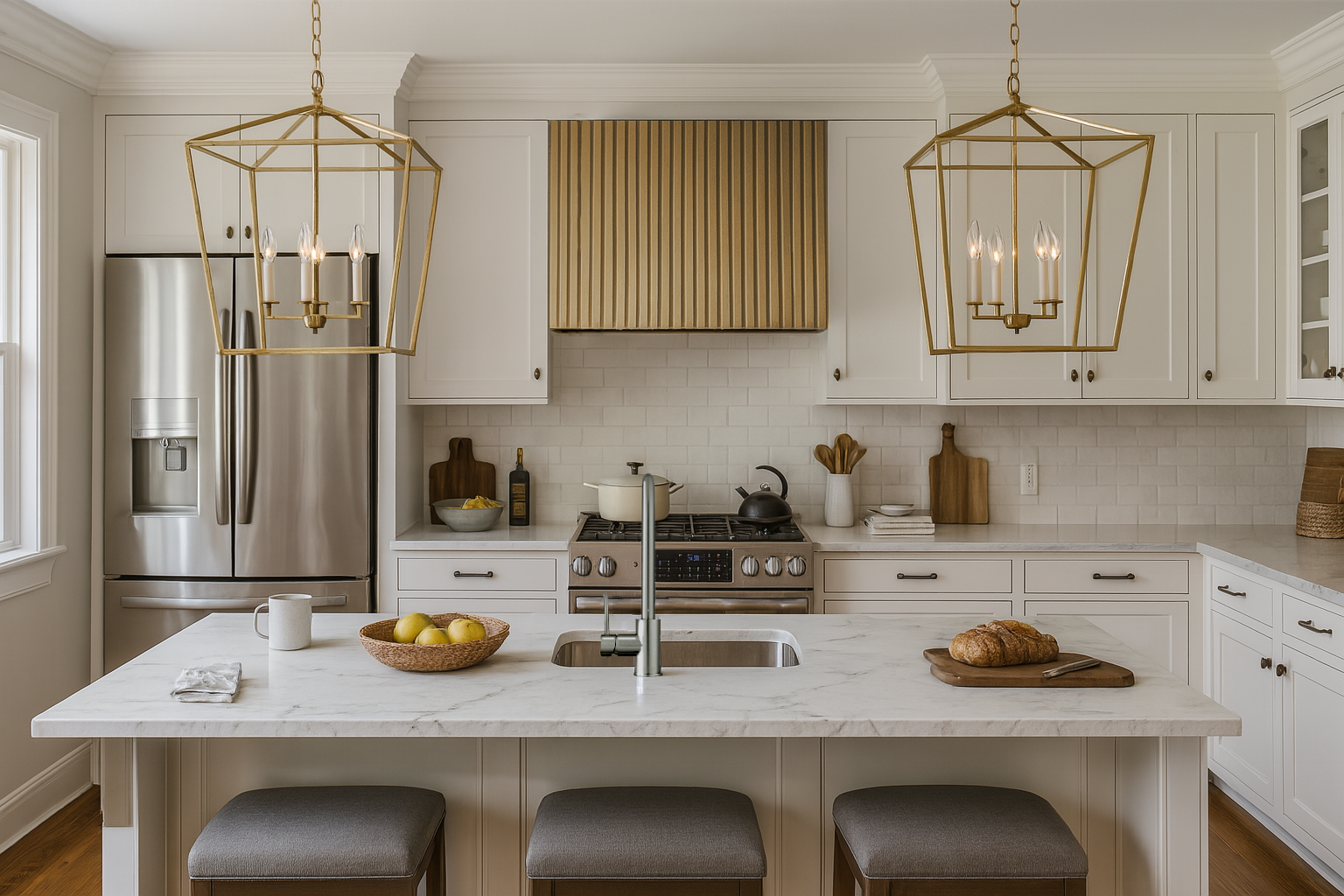
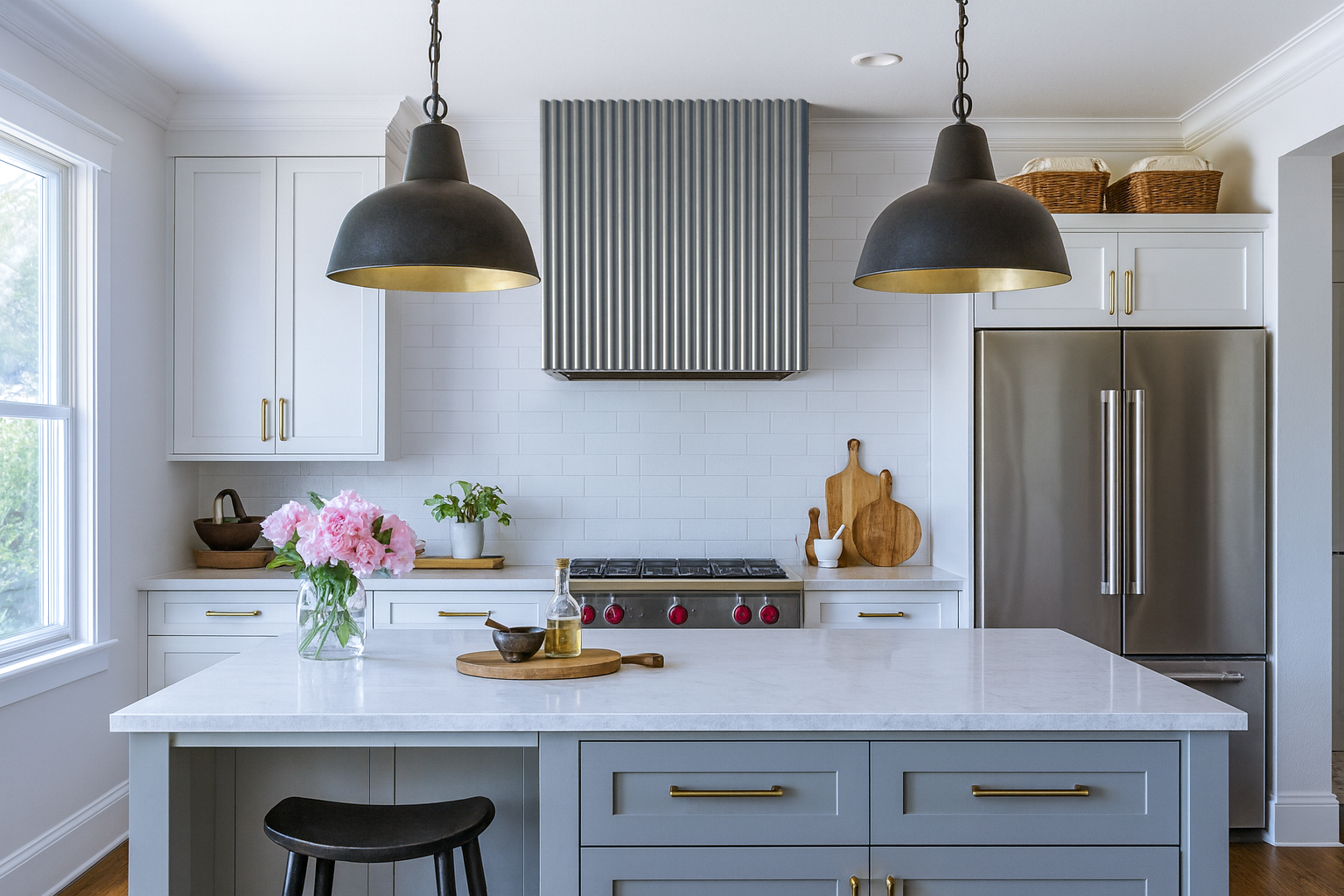
At La Bastille, we hand-craft every counter, bar top, and range hood from the highest quality alloys available — cast zinc, pewter, brass, bronze, and copper — right here in the United States, by a dedicated team of in-house designers and skilled artisans. We trace our material heritage directly back to those Parisian bar tops, to the zinc roofscapes of 19th-century Europe, to the long tradition of craft metalwork that understood a surface could be both a working tool and a work of art simultaneously.
What we bring to that tradition is precision, partnership, and the ability to realize fully custom designs for residential kitchens, high-end restaurants, boutique hotels, bars, and architectural interiors across North America. Our pewter countertops and bar tops carry the same French bistro DNA that gave le zinc its cultural weight — available with a vast selection of traditional and modern edge profiles to suit any design aesthetic. Our cast zinc surfaces can be finished to read sleek and contemporary or worked to carry the warmth of something that feels decades old from the day it is installed.
We also recognize that the history of metal in architectural design is not merely a marketing story — it is a genuine lineage, and one that shapes how we approach every project. When a designer or architect brings us into a concept, we are not simply fabricating a countertop. We are continuing a material tradition that stretches from 19th-century Paris to the most considered luxury interiors of the present.
Frequently Asked Questions
Why are French bars called “le zinc” if the surfaces were actually pewter?
The term le zinc became a colloquial shorthand for the Parisian café culture of the 19th century, when zinc was highly visible throughout French architecture — roofing, facades, ornamental details. Though the actual bar surfaces in those bistros and brasseries were typically pewter, the cultural association with zinc as a material of the era was so strong that the name stuck. It remains a beloved piece of French material history, and a reminder of how intertwined zinc and pewter have been throughout European design tradition.
What is the difference between zinc and pewter as countertop materials?
Zinc is a pure metal with a distinctive blue-grey tone that ages into rich warmth with use. Pewter is an alloy composed primarily of tin, with a brighter silvery appearance that can be maintained at a polished finish or allowed to develop a muted charcoal patina. Both are living metals — they evolve over time — but they offer different aesthetic starting points and patina trajectories. Your designer or our team can walk through which material best serves your specific project.
How long have metal countertops been used in residential kitchens?
Metal surfaces in domestic settings have historical precedent going back centuries — copper and zinc were used in European kitchen and scullery applications well before the 20th century. The contemporary resurgence of cast metal countertops as a luxury residential material gained significant momentum in the early 2000s, as designers sought surfaces with genuine material history and patina potential.
Are cast metal countertops durable enough for a working kitchen?
Absolutely. The same material qualities that made pewter the standard surface for 19th-century Parisian bars — durability, ease of cleaning, resistance to daily use — translate directly to residential and commercial kitchen environments. Cast zinc, pewter, brass, bronze, and copper are each engineered for performance as well as beauty, and with appropriate care, these surfaces will serve beautifully for generations.
Can a metal countertop or bar top be customized to a specific design?
Every piece we fabricate at La Bastille is fully custom — designed and hand-crafted to your exact specifications. From edge profiles and dimensions to finish selection and integrated details, no two surfaces we produce are identical. That is not incidental to our process; it is central to it.
The history of metal countertops is, at its core, a history of materials chosen because they were worthy of the spaces they occupied — surfaces that earned their place through honest performance and grew more beautiful for it. That standard has not changed. It has simply found a new generation of designers, builders, and homeowners who recognize it for what it is.