
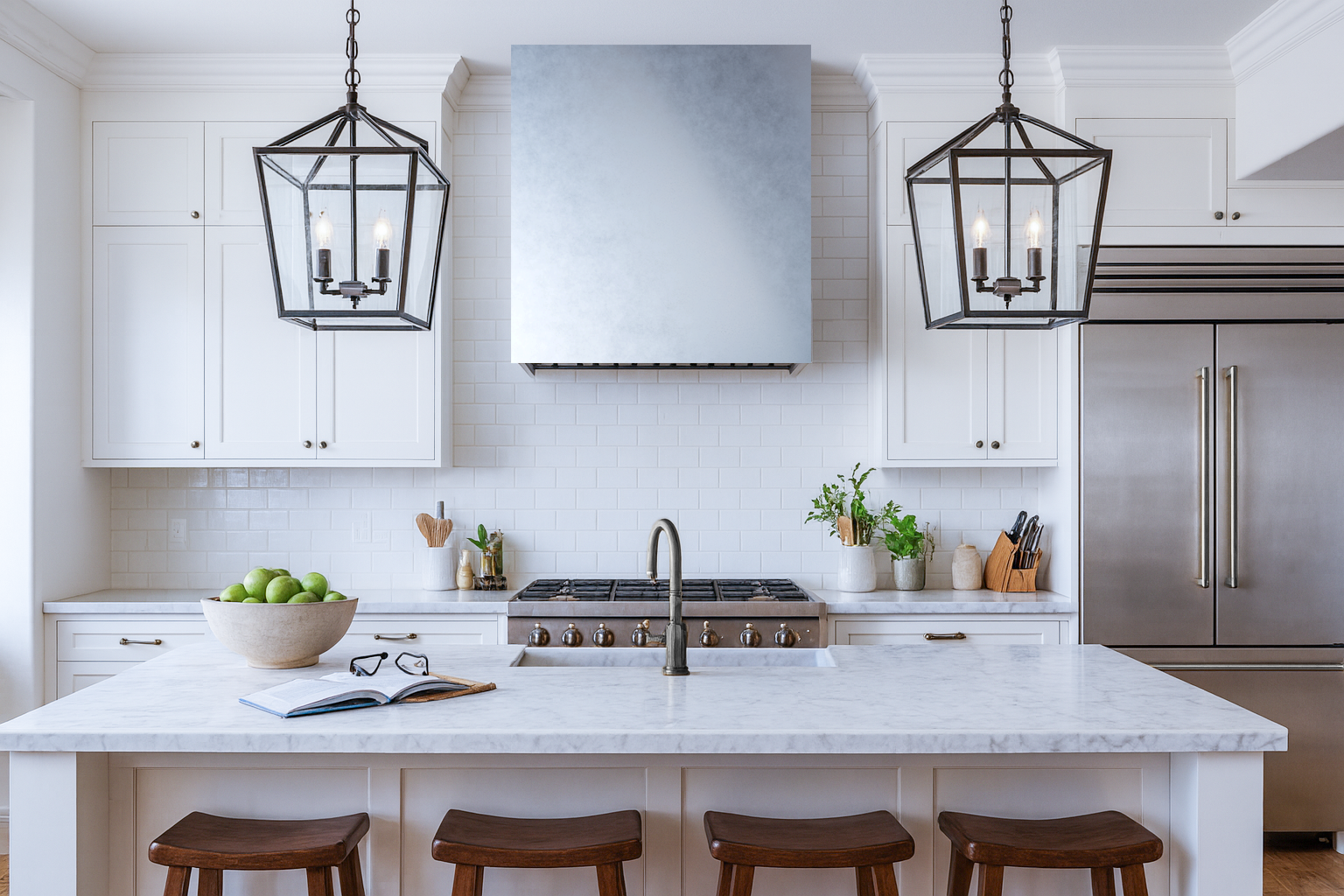
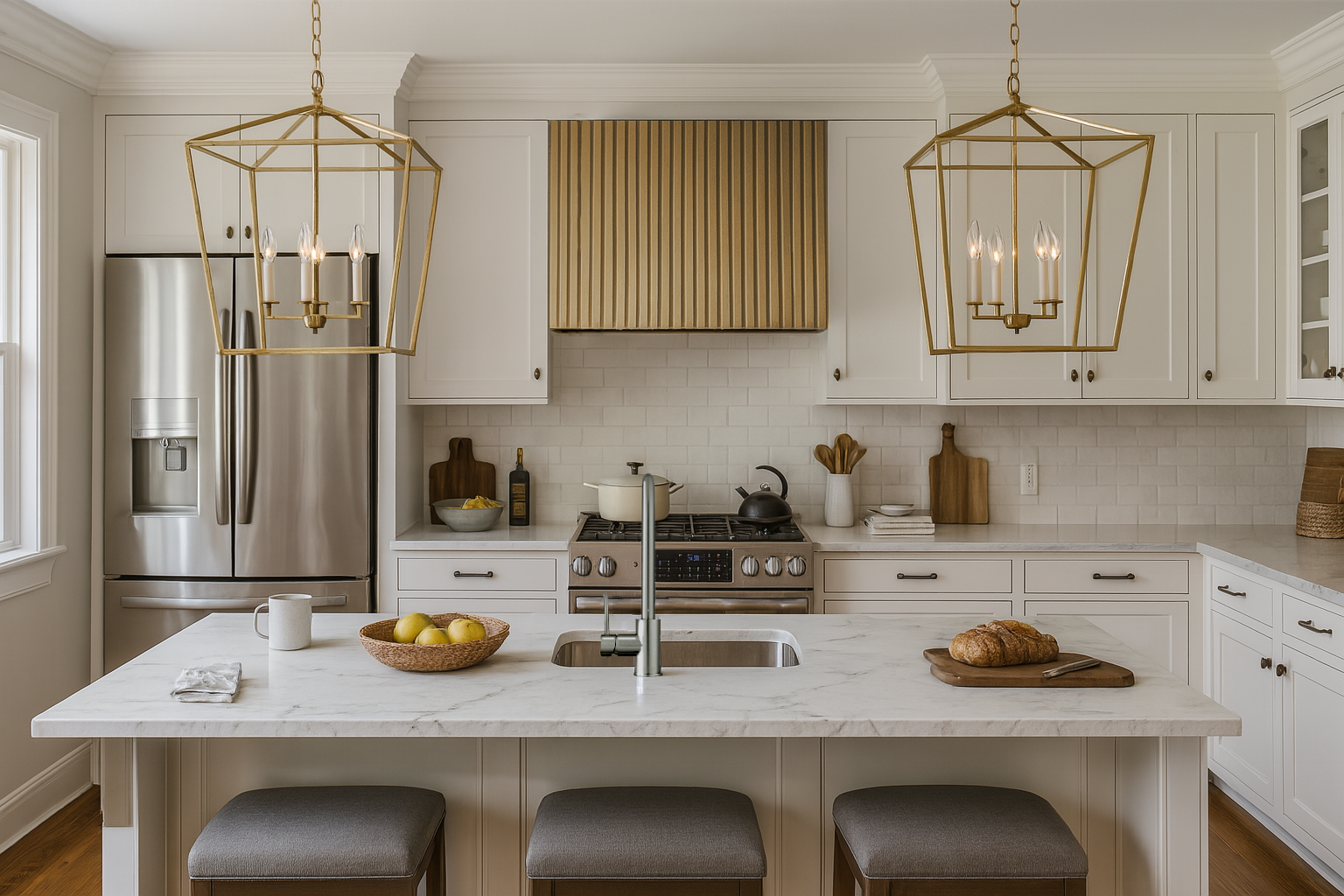
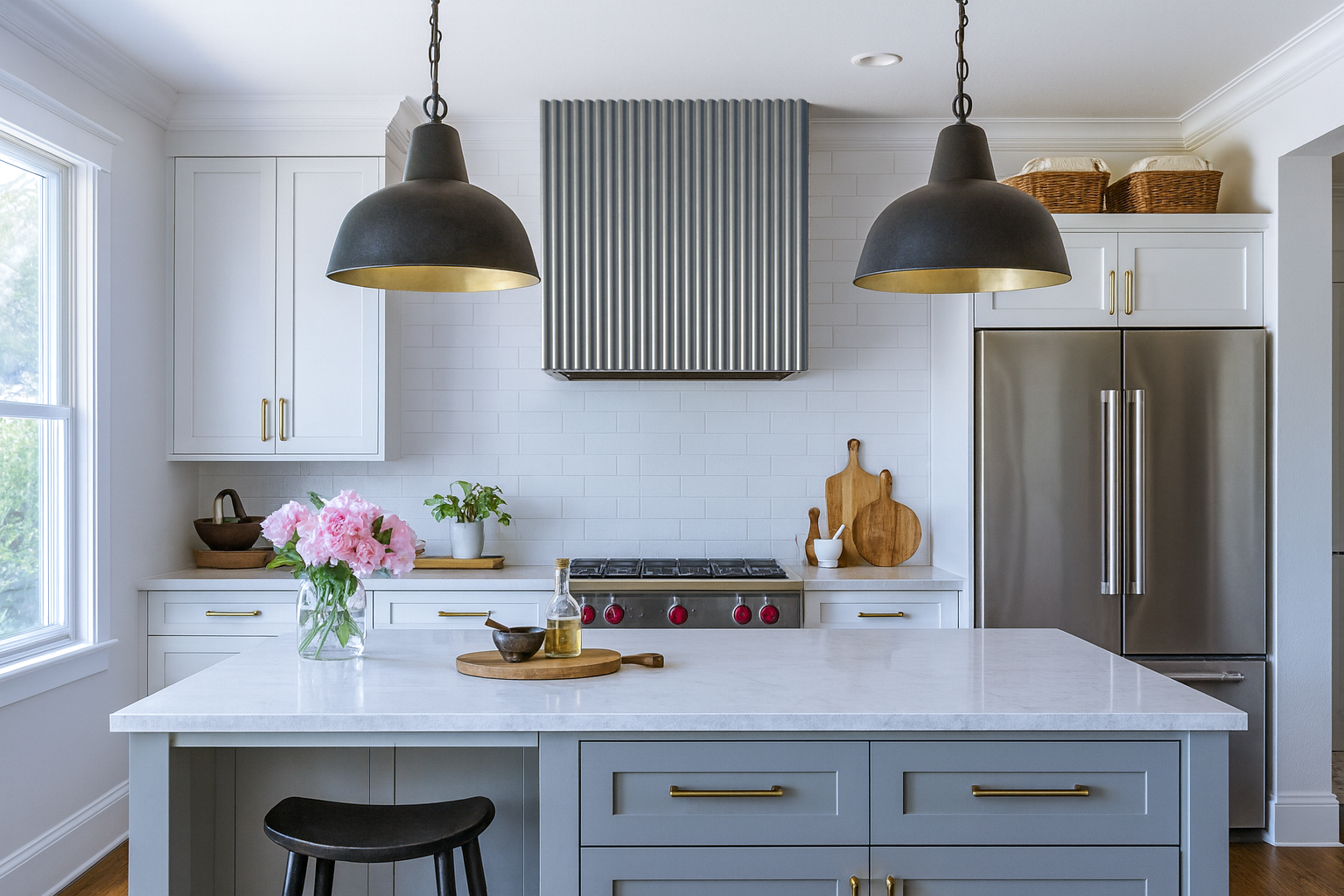

Working with a custom metal countertop fabricator is one of the most rewarding investments you can make in a high-end interior—but only when you understand the process before it begins. From the first conversation to the moment a hand-cast zinc or pewter surface arrives at your project site, each phase requires clear communication, informed decision-making, and a fabricator whose craftsmanship matches your vision. This guide walks you through every distinct stage, with realistic timelines, the right questions to ask, and what separates a truly exceptional result from a merely adequate one.
Phase 1: The Initial Consultation and Creative Brief
Every heirloom-quality metal countertop begins not in a workshop, but in a conversation. When you reach out to a custom metal countertop fabricator, the first meeting—whether by phone, video, or in person—is where your project either gains traction or stalls from vague assumptions.
At this stage, a skilled fabricator will ask you to share as much context as possible: the architectural setting, the primary use (residential kitchen, commercial bar top, restaurant pass-through, boutique hotel reception), and your aesthetic direction. Are you drawn to the silvery warmth of polished pewter, the blue-grey sophistication of cast zinc, or the sculptural richness of bronze? These aren't decorative choices alone—they are functional decisions that will shape the fabrication approach and long-term maintenance.
What to bring to your first consultation:
- Architectural drawings or space measurements, even rough ones
- Inspiration images—finishes, edge profiles, historical references
- Your project timeline and installation date (work backward from this)
- Budget range, stated honestly; premium metals have specific minimums
- The name of your designer, architect, or general contractor if applicable
Questions to ask your fabricator at this stage:
- Do you fabricate entirely in-house, and where are your materials sourced?
- Which metals do you work with, and what are their maintenance profiles?
- Have you completed projects of similar scale or use type?
- What does your design process look like, and who will I be working with directly?
Realistic timeline: A thorough initial consultation typically takes 45 to 90 minutes. After that, expect one to two business days for a fabricator to follow up with preliminary pricing or a formal project intake summary.
Phase 2: Material Selection and Design Development
Once the creative brief is established, the real craftsmanship conversation begins: choosing the right living metal and defining exactly how it should be expressed in your space.
Each cast metal carries its own character. Cast zinc, with its distinctive blue-grey hue, develops a rich, layered patina over time—making it equally appropriate for a sleek modern kitchen or a surface designed to look as though it has been in place for generations. Pewter, the material of the legendary Parisian bar tops historically misnamed "le zinc," offers a vibrant silvery finish when polished and a luxurious charcoal patina when allowed to age naturally. Bronze, considerably harder than zinc or pewter, brings sculptural gravitas and a finish range from polished golden tones to deep antiqued browns. Brass and copper each introduce warmth, distinctiveness, and their own patina trajectories.
A skilled in-house design team will guide you through these options not as a catalog exercise, but as a genuine design partnership. At La Bastille, our designers bring both technical and artistic expertise to this conversation—helping you understand how a given alloy will behave under daily use, how edge profiles (from simple square to elaborately profiled period-correct moldings) interact with the material's thickness, and how the finish will evolve over years of use.
Design development deliverables to expect:
- Material samples or sample boards for your review
- Preliminary sketches or CAD drawings for edge profiles and overall layout
- Finish specifications tied to your selected metal
- A formal design packet outlining all specifications before production begins
Questions to ask during material selection:
- Can I see samples of this metal with both an early finish and an aged patina?
- What edge profiles are available for this alloy, and are there custom options?
- How does this metal perform in a high-use commercial environment versus a residential kitchen?
- What finishes can be achieved, and which require more ongoing maintenance?
Realistic timeline: Design development typically spans one to three weeks, depending on project complexity and how many revision cycles are needed. Custom edge profiles or ornate architectural details may extend this phase slightly.
Phase 3: Templating and Technical Specifications
Templating is the phase where creative vision becomes precision engineering—and it is where many projects with less experienced fabricators begin to lose accuracy.
For straightforward rectangular countertop runs, digital measurements provided by your contractor may be sufficient for initial drawings. However, for complex installations—L-shaped bar tops, curved surfaces, integrated sink cut-outs, or built-in appliance recesses—physical templating at the project site is strongly recommended. A skilled templating technician will capture every nuance: the exact position of walls that are rarely perfectly plumb, the precise radius of curved cabinetry, the depth required for undermount elements.
From these templates, your fabricator's team produces formal technical shop drawings. These drawings are the contract between design intent and fabrication reality. Review them carefully. This is the moment to confirm measurements, edge transitions, seam placements (for large-format tops that require joins), and any surface details such as hammering patterns or hand-applied textures.
What to review in your technical shop drawings:
- Overall dimensions and any scribing allowances for out-of-square walls
- Seam locations and how joins will be finished
- Sink, faucet, or appliance cut-out placements
- Edge profile confirmation with material thickness noted
- Surface texture or patina specification
Questions to ask before approving shop drawings:
- Where will seams fall, and how will they be finished to minimize visibility?
- Is the templating done from physical measurements or digital files?
- What is your tolerance for dimensional accuracy on cast metal pieces?
- Once I sign off on shop drawings, what triggers production start?
Realistic timeline: Templating typically takes one to two days on-site for complex projects. Shop drawing production and client approval adds another five to ten business days. Do not rush this phase—errors caught at the drawing stage are resolved at zero cost; errors discovered after fabrication are expensive.
Phase 4: Fabrication
This is where the artisans take over, and where the distinction between a true custom metal countertop fabricator and a commodity operation becomes immediately visible.
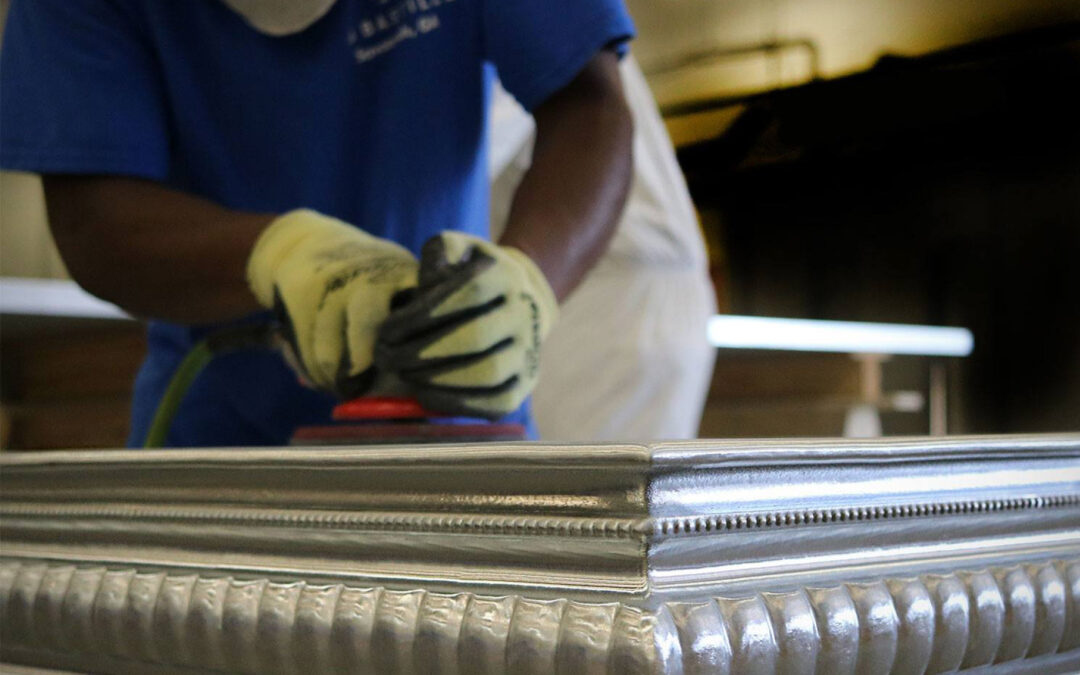
Genuine cast metal fabrication—the kind that produces heirloom-quality surfaces built to last decades—is a labor-intensive process carried out by skilled hands at every step. Alloy is sourced at the highest quality available, cast to specification, and then worked through hand-finishing processes that no machine can replicate with the same warmth and integrity. Surface textures, whether a smooth drawn finish or a hand-worked hammered effect, are applied by artisans who understand how each metal responds to tools, heat, and pressure.
At this stage, the fabricator is managing material behavior, thermal expansion tolerances for installation, the structural substrate beneath the metal skin, and the precise execution of every edge profile and corner detail specified in the approved drawings. For custom range hoods fabricated alongside countertops or bar tops, the same exacting standards apply—each piece is entirely one of a kind.
What happens during fabrication:
- Raw alloy is prepared and cast or formed to specification
- Substrate framing is constructed to support the metal surface
- Edge profiles are formed and hand-finished
- Surface finishing and initial patina work is applied
- Quality review is conducted before crating and shipping
Questions to ask during fabrication:
- Will I receive progress photos during production?
- Are your fabricators on staff, or is any part of the work subcontracted?
- Where are your raw metals sourced, and can you confirm domestic fabrication?
- Is any surface treatment or sealing applied before shipping?
Realistic timeline: Fabrication for a custom metal countertop project typically runs eight to twelve weeks from approved shop drawings, depending on project scale and complexity. Full kitchen suites, bar installations, or projects combining countertops and custom range hoods may require twelve to fourteen weeks. Build this timeline honestly into your project schedule—quality cast metalwork cannot be rushed without compromising integrity.
Phase 5: Delivery, Installation, and Final Finish
The final phase is where months of design, precision, and craft arrive at their intended home—and where careful coordination ensures everything meets the standard set during the consultation.
Custom metal surfaces are crated and shipped with care. On arrival, a thorough inspection should be conducted before any crating materials are removed from the space. Document any shipping concerns photographically before your installation team begins work.
Installation of cast metal countertops and bar tops requires a substrate that is level, structurally sound, and properly prepared to receive the metal. Your fabricator should provide installation guidelines—or, depending on proximity and project scope, may offer installation support directly. Seams, if present, are often finished on-site by a skilled installer. The final surface treatment or protective application may also be completed at this stage.
Post-installation care to discuss before delivery:
- What cleaning products are safe for this specific alloy?
- How do I encourage or manage the patina process?
- Is a sealer applied at the factory, and when should it be reapplied?
- What is the protocol if a surface concern arises after installation?
Realistic timeline: Shipping varies by geography, but plan for five to ten business days from crating to delivery. Installation of a standard countertop run is typically one to two days; bar tops or multi-element installations may require two to four days.
Total Project Timeline: What to Realistically Expect
| Phase | Estimated Duration |
|---|---|
| Initial consultation and brief | 1–3 days |
| Material selection and design development | 1–3 weeks |
| Templating and shop drawing approval | 1–2 weeks |
| Fabrication | 8–14 weeks |
| Shipping and delivery | 1–2 weeks |
| Installation | 1–4 days |
Total from first contact to installed surface: approximately 14–20 weeks for most custom projects. Planning ahead is not optional—it is the single most effective way to protect both your timeline and your result.
Frequently Asked Questions
How do I know if a fabricator is truly custom or just semi-custom?
A genuine custom metal countertop fabricator will produce technical shop drawings specific to your project, offer a full range of alloy and edge profile options, and have on-staff artisans completing fabrication in-house. Ask directly: is any part of this work outsourced?
Can I order both a metal countertop and a range hood from the same fabricator?
Yes—and doing so is strongly recommended for design cohesion. When countertop and range hood are fabricated from the same alloy and finished by the same team, the relationship between materials is controlled rather than approximate.
What is the minimum lead time I should plan for?
For any bespoke project, plan a minimum of fourteen weeks from first consultation to delivery. Twelve to fourteen weeks is the standard fabrication window alone at the quality level you should expect from a premier USA metal fabrication studio.
Do living metals like zinc or pewter require a lot of maintenance?
Less than most clients expect. Both zinc and pewter develop natural patinas that are part of their design appeal. Regular cleaning with mild soap and water is sufficient for most surfaces. Pewter can be polished to maintain a mirror-like finish if preferred. Your fabricator should provide a specific care guide tailored to your alloy and finish.
Is domestic fabrication in the USA meaningfully different from imported alternatives?
Significantly. USA metal fabrication—particularly from a dedicated in-house studio—allows for direct quality control at every stage, faster communication during the design process, and no compromise in alloy sourcing. It also supports the skilled artisan community that makes this level of craftsmanship possible.
Understanding each phase of the custom metal countertop process transforms a complex project into a confident one. At La Bastille, we walk alongside designers, architects, and hospitality groups from the very first conversation through the final polished edge—bringing the same dedication to every cast zinc kitchen top, pewter bar surface, and hand-finished bronze detail that we bring to the most celebrated interiors in North America. When you're ready to begin, our team is here.