

Why Cast Metal Surfaces Are Becoming the Defining Material of Boutique Hotel Design
Boutique hotels have always competed on atmosphere rather than amenity count. Where a large chain hotel wins on scale, a well-designed independent property wins on feeling — on the specific texture of a surface, the warmth of a material, the sense that every detail was chosen rather than specified from a catalog. That is precisely why cast metal countertops, bar tops, and range hoods are emerging as the signature material choice for boutique hospitality interiors. They are durable enough for commercial demands, distinctive enough to become a talking point, and rich with the kind of earned character that no manufactured finish can replicate.
The Case for Metal as a Signature Material in Hospitality Interiors
When a guest photographs your hotel bar and shares it, they are not photographing a color on a wall. They are photographing texture, depth, light catching the edge of a surface. Cast metals — zinc, pewter, brass, bronze, copper — deliver that kind of visual weight consistently and without effort.
But this is not purely an aesthetic argument. The design and brand case for boutique hotel metal surfaces rests on three interconnected pillars.
1. Identity That Cannot Be Replicated
Mass-produced finishes trend, then date. A cast zinc bar top or a hand-finished bronze countertop does not trend — it simply exists, accumulating character over time. Each surface cast by our team at La Bastille is genuinely one of a kind. The alloys, the edging profiles, the finish — all determined by your design intent and fabricated to exacting specifications by skilled artisans.
For boutique properties, that exclusivity is the product. When a guest describes your hotel bar to a friend, they do not say "the bar had a nice surface." They say "the bar top was this incredible aged metal, I've never seen anything like it." That is earned brand equity delivered through material choice.
2. Living Finishes Evolve With Your Space
One of the characteristics that sets cast metals apart from any other surface category is that they are, in a meaningful sense, alive. Zinc begins as a blue-grey tone and develops a warm, layered patina with use and time. Pewter polishes to a vibrant silver or accepts a natural muted charcoal patina — the choice belongs to the property. Bronze deepens from golden tones into rich antiqued browns. Copper shifts and shimmers.
This evolution is not a liability. It is a design advantage. A boutique hotel bar top that looks slightly different at five years than it did at opening does not look worn — it looks storied. It signals that the space has been lived in, which is precisely the atmosphere independent hospitality properties work to cultivate.
3. Material That Performs at Commercial Scale
There is sometimes a misconception that handcrafted surfaces are too refined for the demands of hospitality environments. The opposite is true. Cast zinc, pewter, brass, bronze, and copper are robust materials with centuries of proven use in commercial applications. Pewter bar tops, for example, have lined the bars of French bistros and brasseries for generations — so reliably that Parisian bars are still colloquially called le zinc, even when the surface itself is pewter.
These are materials designed for daily contact, for glasses and bottles and elbows and cleaning routines. They do not require the protective coatings that more fragile surfaces depend on, and they do not delaminate, chip, or show impact the way many contemporary countertop materials do. They earn their keep.
Specific Applications in Boutique Hotel and High-End Hospitality Interiors
Custom Metal Bar Tops
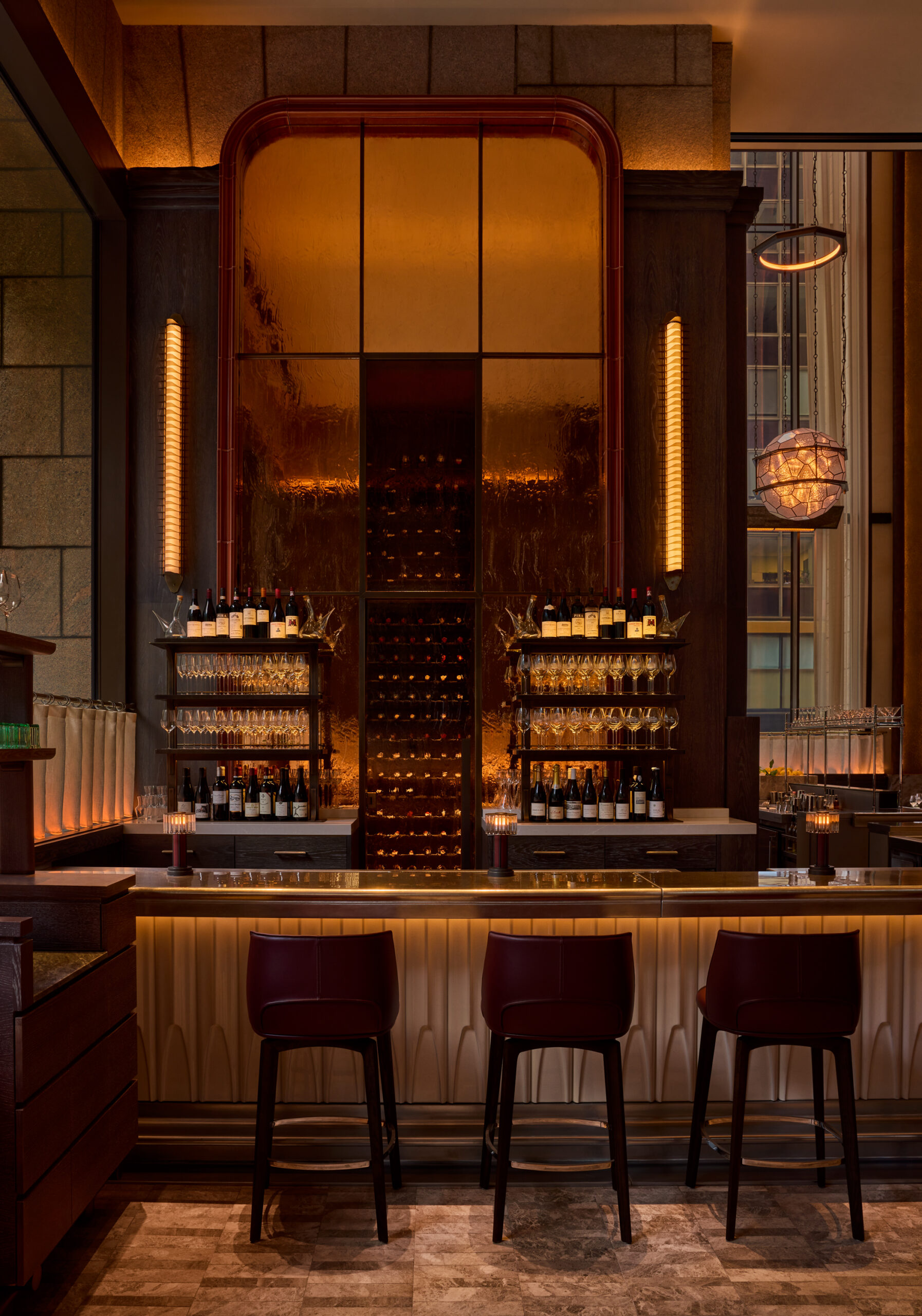
The bar is the social core of most boutique hotel properties. It is where guests form their first strong impression of the space and where they return repeatedly. A luxury hotel bar top in cast pewter, brass, or zinc communicates immediately that this is not a standard hospitality interior.
Pewter bar tops, with their sophisticated silvery depth, work beautifully in environments drawing on French bistro aesthetics or contemporary minimalism. Brass bar tops project warmth and an almost theatrical richness that suits darker, more intimate bar environments. Zinc carries the architectural gravitas of a material that has framed European buildings for centuries — understated, intelligent, distinctive.
We work directly with designers and hospitality groups to develop bar top profiles — edge details, seam placements, material thickness — that reflect the specific vision of each project. No standard template. Every installation is designed from the drawing stage.
Cast Metal Countertops
Back-of-house and front-of-house countertops in boutique hotel kitchens, concierge areas, café counters, and spa reception spaces benefit equally from architectural metalwork. A cast zinc countertop in a hotel café anchors the space and gives it an identity that tile or stone simply cannot replicate at the same register. A copper or bronze counter at a spa reception desk communicates luxury with immediacy.
Because our countertops are fully custom, they can be designed to accommodate integrated fixtures, unusual dimensions, curved forms, and complex edge profiles. We provide technical shop drawings and work closely with architects and general contractors to ensure seamless integration with surrounding cabinetry and millwork.
Custom Metal Range Hoods
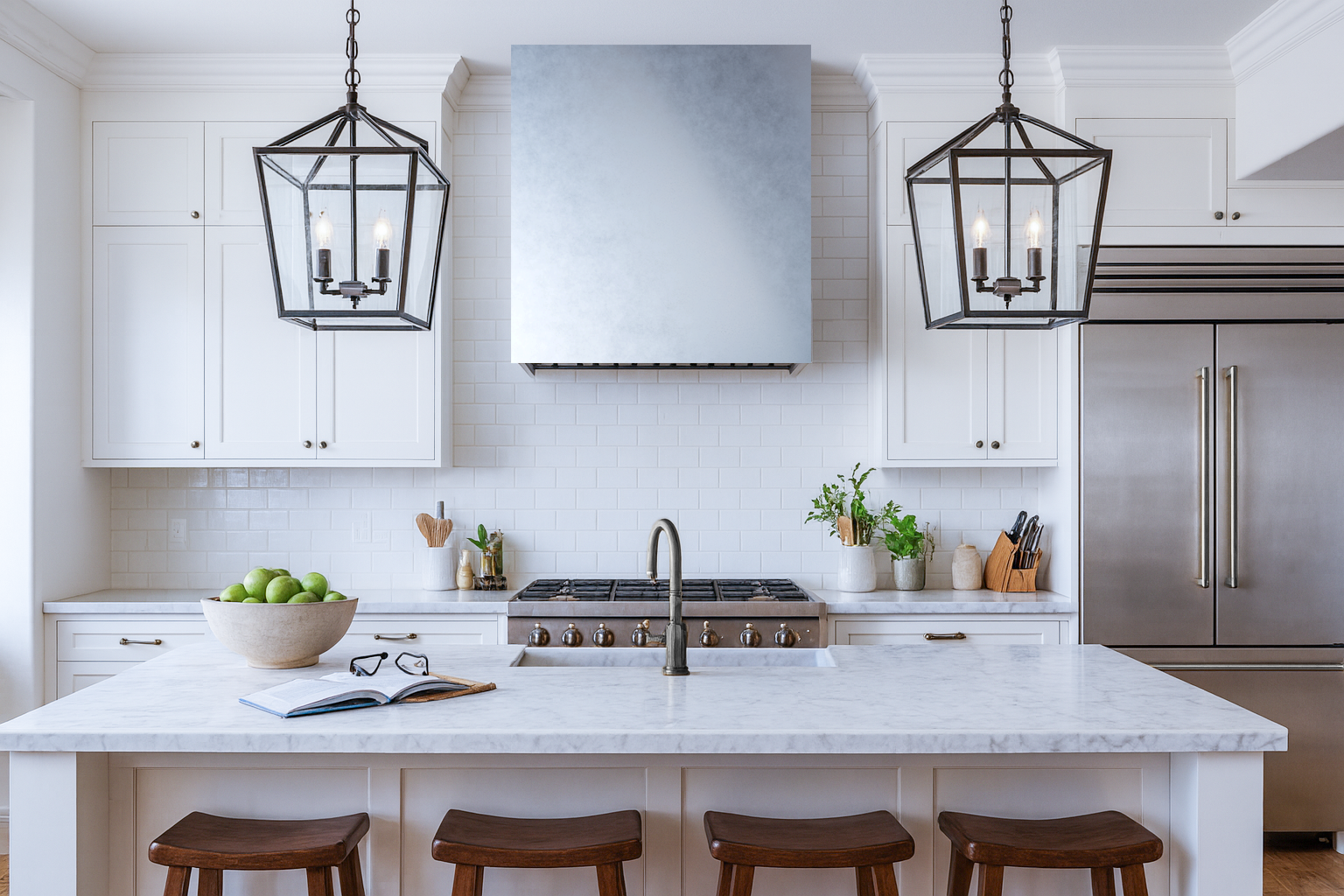
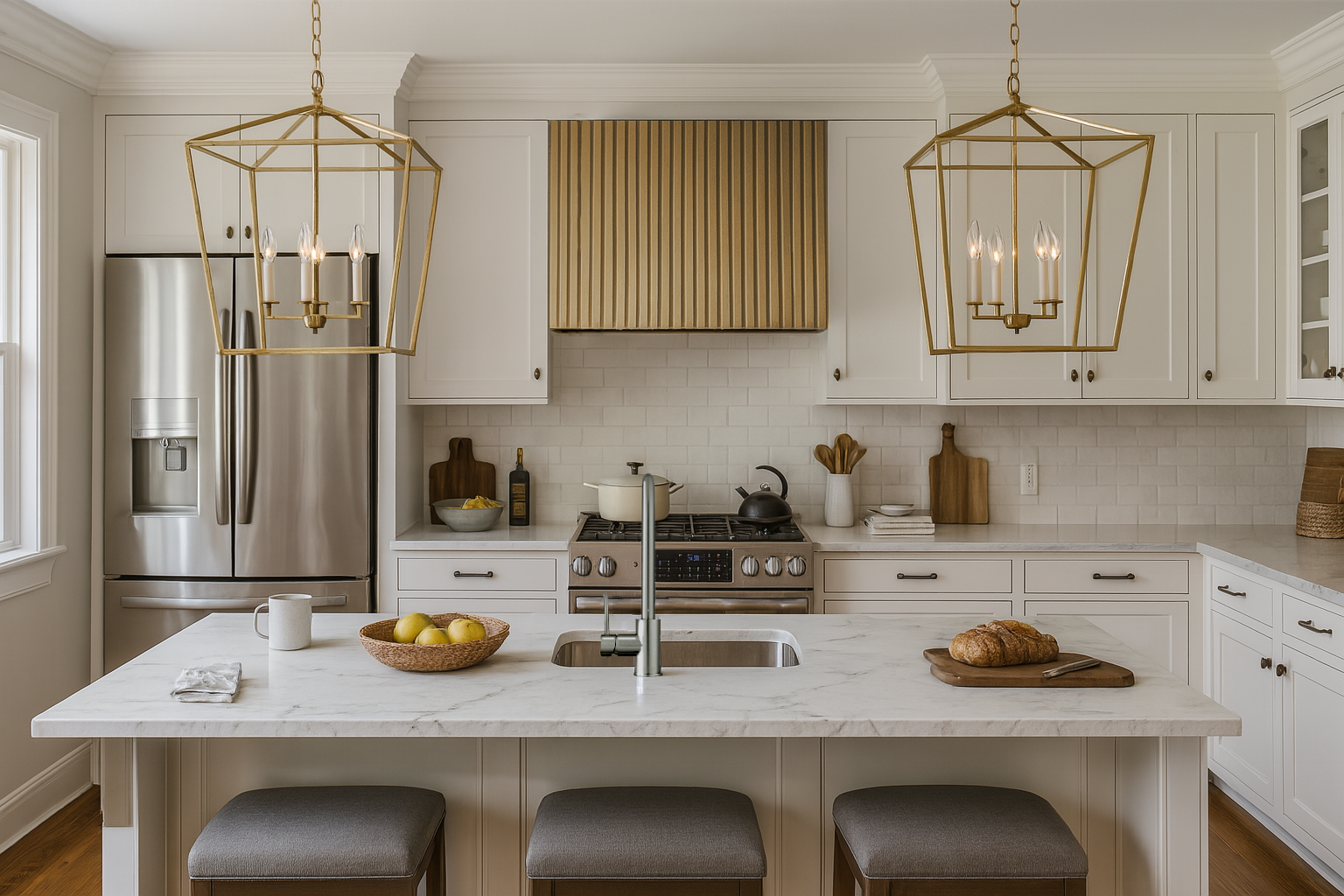
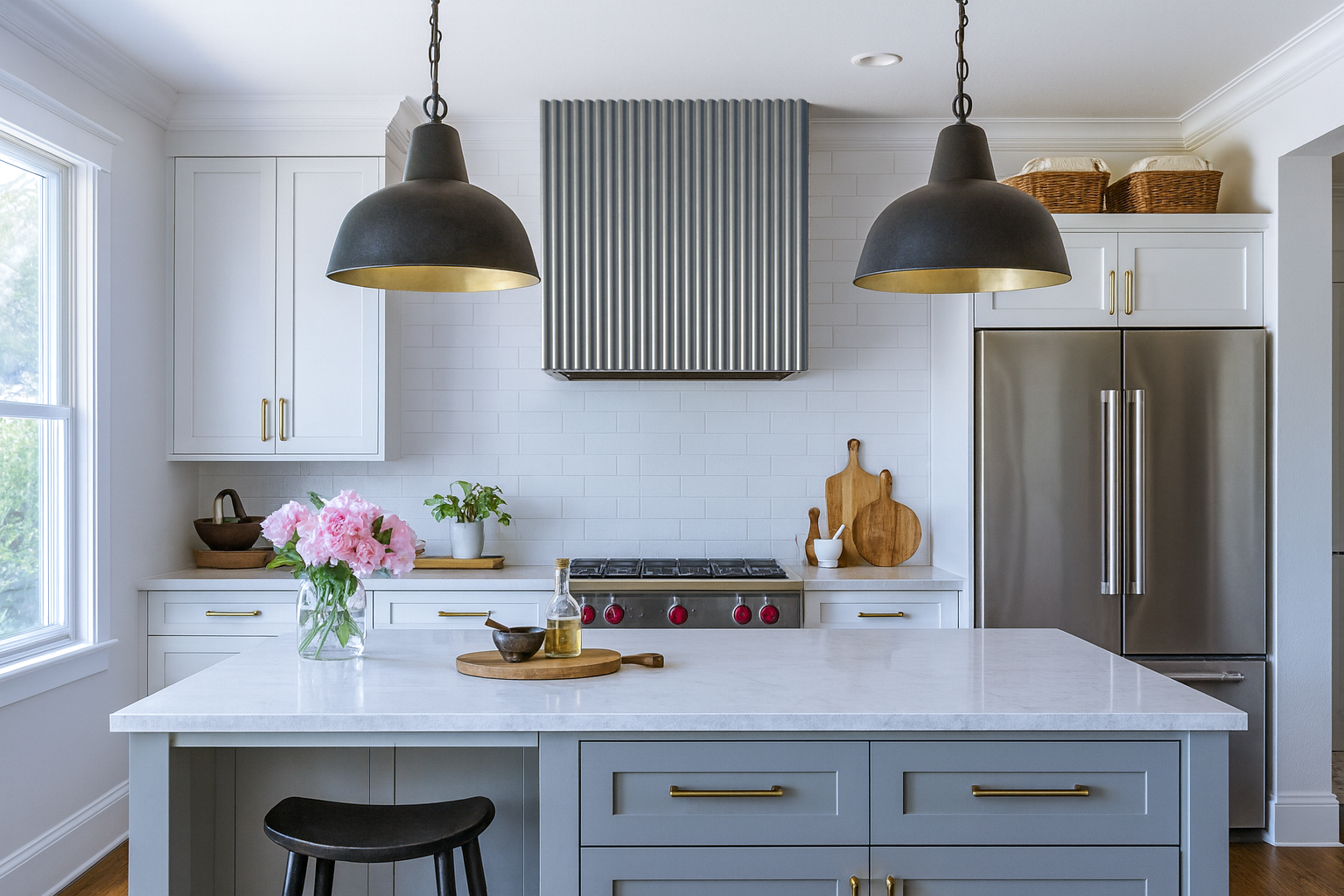
For boutique hotel properties with restaurant or chef's table components, the range hood is one of the most significant architectural focal points in the space. A hand-cast zinc or brass range hood commands attention in a way that painted steel or stock hoods cannot.
Our fully custom range hoods are built to exacting specifications and come fully equipped with a premium liner for seamless integration. Each design is entirely one of a kind — shaped by the dimensions of the space, the aesthetic direction of the project, and the material selected. For properties requiring volume with consistent quality, we also offer the Bastille Collection, our trade-only curated cast metal range hood line available in zinc and brass, in standard sizes and ready to order.
Why Boutique Hotels Specifically Benefit From Architectural Metalwork
Chain hotels operate on standardization. Boutique hotels operate on differentiation. The entire value proposition of an independent hospitality property is that it feels different — specific to its place, its ownership, its design intent.
Architectural metalwork is one of the few material categories where that specificity is inherent to the material itself. You cannot order a cast zinc bar top that looks exactly like another cast zinc bar top — the material does not allow it. The living finish, the edge profile, the seam detailing, the way the surface responds to the specific lighting conditions of a particular space — all of it is unique.
That is a significant design advantage, and it extends to the brand narrative a property tells its guests. A hotel that can genuinely say "our bar top was hand-cast by American artisans specifically for this space" has a story. A hotel that selected a surface from a product catalog does not.
At La Bastille, all of our products are sourced, designed, and fabricated in the USA by our on-staff designers and skilled artisans. We partner with designers, architects, and hospitality groups across North America to deliver custom metalwork with reliable timelines, refined finishes, and expert support — from concept through installation.
Selecting the Right Metal for Your Hospitality Project
Different metals speak differently. Here is a brief guide for designers and hospitality teams working through material selection.
Zinc — Architectural, understated, versatile. Ranges from sleek and modern to richly ornate. Develops warm character with age. Ideal for bar tops, countertops, and range hoods in spaces that want historical resonance with contemporary clarity.
Pewter — Classically sophisticated, low maintenance, deeply versatile. Polishes to a vibrant silver or develops a charcoal patina naturally. The traditional material of French bar culture. Excellent for bar tops and countertops where a refined, European-influenced aesthetic is the goal.
Brass — Warm, luminous, theatrical. Works in intimate bar environments and spaces with darker palettes. Develops a rich, layered patina that adds depth over time.
Bronze — Harder and more sculptural than zinc or pewter. Wide finish range from polished golden tones to deep antiqued brown. Particularly striking in countertops and range hoods where a more architectural, substantial presence is desired.
Copper — Warm and distinctive, with the most active patina evolution of any metal in our portfolio. Develops rich amber and verdigris tones. Ideal for properties seeking an unmistakable, singular material story.
FAQ: Cast Metal Surfaces in Boutique Hotel and Hospitality Design
Are cast metal bar tops practical for high-volume hospitality use?
Yes. Pewter, zinc, brass, bronze, and copper have long histories of use in commercial environments precisely because they withstand daily contact and cleaning. They do not require the protective surface coatings that many countertop materials depend on, and they develop character rather than showing damage over time.
How long does a custom metal countertop or bar top project take?
Typical lead times for custom cast metal surfaces run approximately 12 to 14 weeks from design finalization. We provide technical shop drawings and a design packet early in the process so your project schedule can be planned accurately.
Can architectural metalwork be integrated with existing millwork and cabinetry?
Absolutely. Our in-house designers work closely with your architect, designer, and general contractor to ensure precise integration. We accommodate custom dimensions, curved profiles, unusual seam placements, and integrated fixture requirements.
Do living metal surfaces require special maintenance in a hotel environment?
Maintenance requirements vary by metal and desired finish. Pewter can be maintained to a polished silver finish or allowed to develop a natural patina. Zinc and bronze age gracefully with minimal intervention. Our team provides specific guidance for each material during the design process.
Does La Bastille work directly with hospitality groups, or only through designers?
We work with both. We partner with designers and architects as collaborative trade partners, and we also engage directly with hospitality groups and ownership teams. Either way, you receive the same dedicated support from our in-house design and production team.
Beginning Your Hospitality Metalwork Project
The conversation around material selection for a boutique hotel is one of the most meaningful decisions in the design process. It determines not just how a space looks at opening, but how it feels at year five and year fifteen — whether it has deepened into something genuinely distinguished or simply dated into something that once felt current.
Cast metals deepen. They are heirloom-quality materials by nature, designed to outlast trends and accumulate the kind of warmth and character that only time and genuine use can create.
If you are working on a boutique hotel, restaurant, or high-end hospitality project and want to explore what custom zinc, pewter, brass, bronze, or copper surfaces could bring to your design, we would welcome the conversation. Our team responds within one to two business days, and we are glad to discuss your concept, your timeline, and how our process works before any commitments are made.
Visit labastille.com to explore our work, or reach out directly to connect with one of our in-house designers.