

The Story Behind “Le Zinc” — and Why Pewter Is Having Its Modern Moment
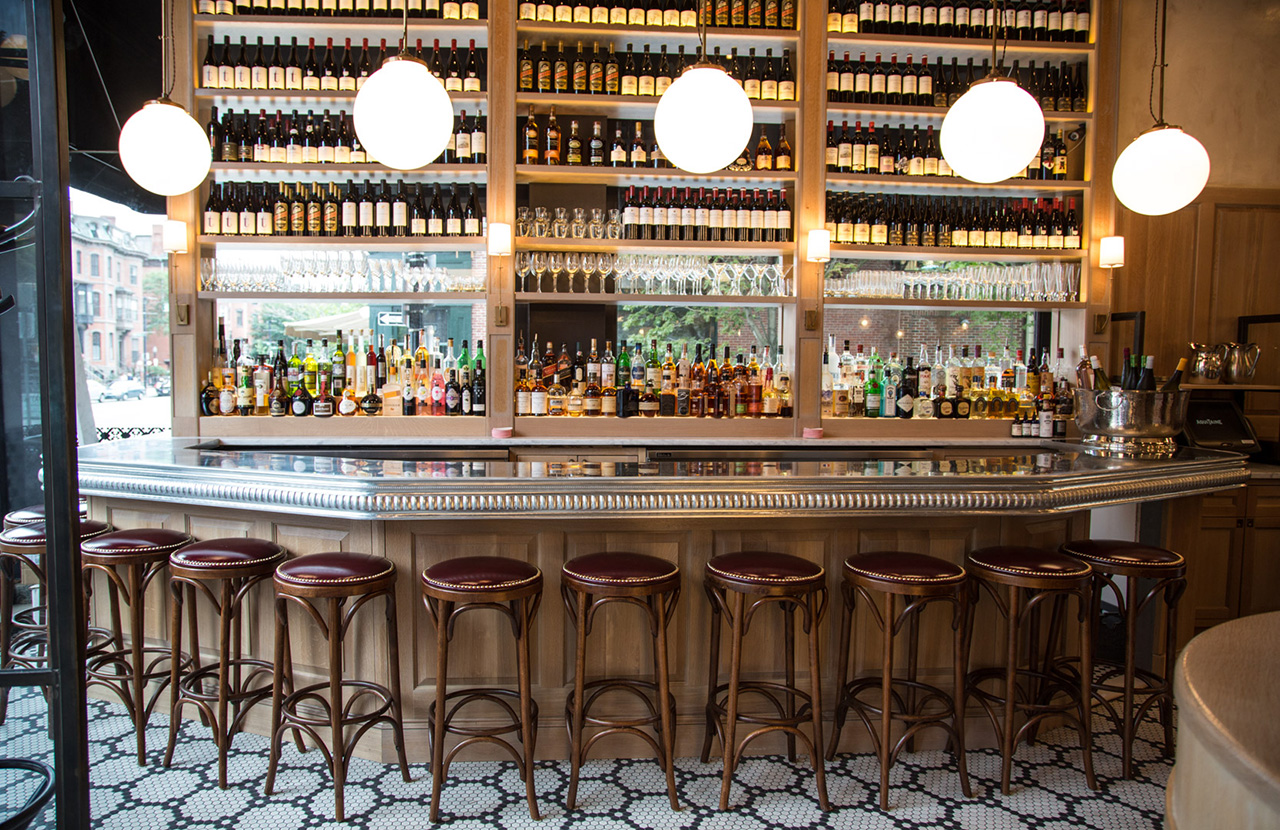
Walk into an old Parisian brasserie, rest your elbows on the bar, and you are touching something that has stood in that same spot for a century or more. The surface is cool to the touch, softly lustrous, and worn smooth by generations of Parisians ordering their morning café or their evening Bordeaux. That surface is pewter — and the French have been calling their bars le zinc ever since, in one of design history’s most enduring cases of mistaken identity. Today, contemporary fabricators and luxury designers across North America are bringing this centuries-old finish into homes, hotels, and high-end restaurants with new technical precision and an expanded design vocabulary. This is the full story of pewter countertops and bar tops: where they came from, what makes them exceptional, and how to bring one into your own space.
What Is Pewter, Really?
Pewter is a malleable alloy composed predominantly of tin, typically combined with small percentages of copper, antimony, or bismuth. It has been used in Europe since the Middle Ages for everything from tableware and candlesticks to architectural ornament. Its relatively low melting point makes it highly workable — it can be hand-cast, rolled, hammered, and finished with a level of detail that harder metals simply do not allow.
As a bar or countertop surface, pewter offers a unique combination of properties:
- Softness and workability that allows highly detailed edge profiles and surface textures
- A living finish that develops a natural patina over time, shifting from a bright silvery hue toward a muted, luxurious gray or charcoal tone
- Low maintenance — a polished pewter surface can be left to patina naturally with minimal upkeep, or maintained to a near-mirror finish with regular polishing
- Sustainability — tin-based alloys are among the more eco-conscious metals available for architectural applications
Polished pewter has a vibrant, warm silver character that reads differently in light than stainless steel or chrome. It carries depth and age even when new, which is precisely what makes it so well-suited to the French bistro aesthetic — and to the layered, material-rich interiors that define luxury design today.
The French Bistro Tradition: How Le Zinc Got Its Name
The story of pewter bar tops in France begins in earnest in the nineteenth century, when the classic Parisian brasserie and café culture took shape. Bar owners needed a surface that was durable enough to withstand daily commercial use, beautiful enough to set the right mood, and workable enough to fabricate in the long, curved, custom forms that the grand café interiors demanded. Pewter answered every one of those requirements.
Over time, the bar itself became a cultural institution. It was the site of negotiation, romance, political argument, and the daily rhythms of Parisian life. The surface you leaned against was part of the experience — its soft gleam, the way it picked up candlelight or gas-lamp glow, the cool solidity under your hands. These bars were not decorative objects. They were working surfaces that aged alongside the cities they occupied.
The persistent nickname le zinc is a small piece of linguistic history worth understanding. Zinc and pewter are distinct alloys — zinc is predominantly zinc, while pewter is predominantly tin — but in the nineteenth century, the terms were sometimes used loosely to describe silvery-gray bar surfaces of various compositions. The name stuck. Today, when Parisians say le zinc, they are almost always referring to a pewter bar top, a beautiful piece of etymological confusion that has lasted well over a hundred years.
At La Bastille, we carry this tradition forward with precision. Our pewter countertops and bar tops are hand-cast and hand-finished using the highest quality alloys available, fabricated entirely in the USA by our in-house team of artisans and designers. We bring both the technical and artistic expertise necessary to honor this material’s history while expanding what it can do in a modern interior.
Polished Pewter Finish: Understanding the Living Metal
One of the most important things to understand about pewter as a design material is that it is a living finish. It is not a static, sealed surface. It breathes, responds to its environment, and develops a patina that is entirely its own.
When first hand-cast and finished, polished pewter has a bright, silvery character with warm undertones. As it ages — through contact, exposure to air, and the natural chemistry of daily use — it begins to develop a muted gray or charcoal patina in recessed areas, while high points and frequently touched surfaces retain their warmth and luminosity. The result, over months and years, is a surface of extraordinary depth and character. No two pewter tops age identically. The patina becomes a record of the space and the people who use it.
For clients who prefer to maintain a brighter, more polished appearance, that is entirely achievable with regular polishing using appropriate metal-care products. The material rewards both approaches — the elegant neglect of the aging bistro bar, or the maintained luster of a formal residential kitchen.
Pewter vs. Zinc: Understanding the Difference
Because the French bistro story blurs the line between these two alloys, it is worth clarifying the distinction:
| Property | Pewter | Zinc |
|---|---|---|
| Primary composition | Tin-based alloy | Zinc-based alloy |
| Color when new | Bright silvery, warm undertones | Blue-gray |
| Aged patina | Muted gray to charcoal | Rich, warm gray with character |
| Workability | Highly malleable, excellent for detail | Highly adaptable, from ornate to modern |
| Maintenance | Polish to maintain; patinas naturally | Patinas naturally over time |
| Design aesthetic | Sophisticated, classical, French bistro | Versatile, from antique to sleek modern |
Both are living metals. Both are heirloom-quality when properly fabricated. The choice between them is largely a matter of design direction and the precise finish character you are after. Our in-house design team can walk you through both side by side.
Pewter Countertops in Luxury Residential Design
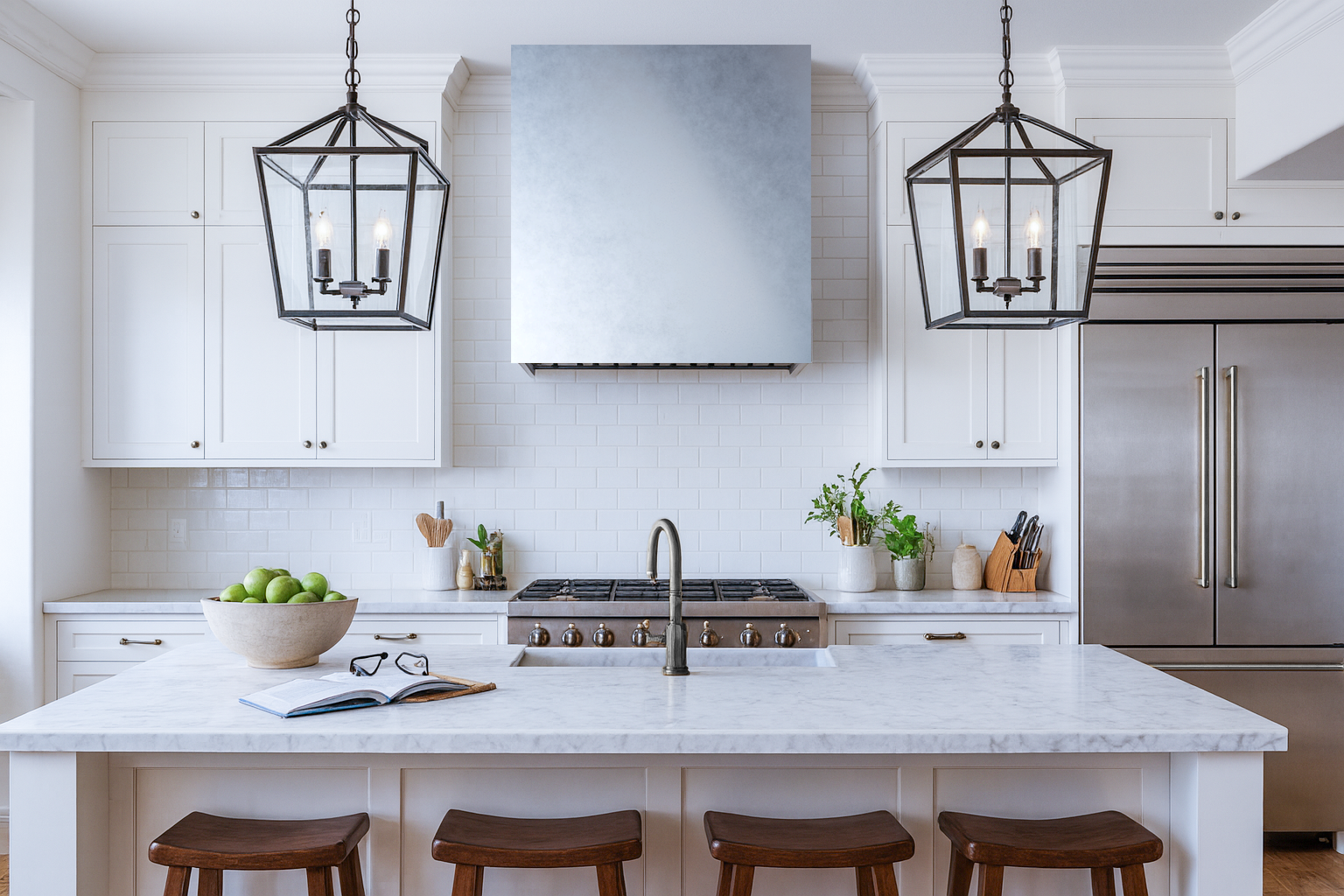
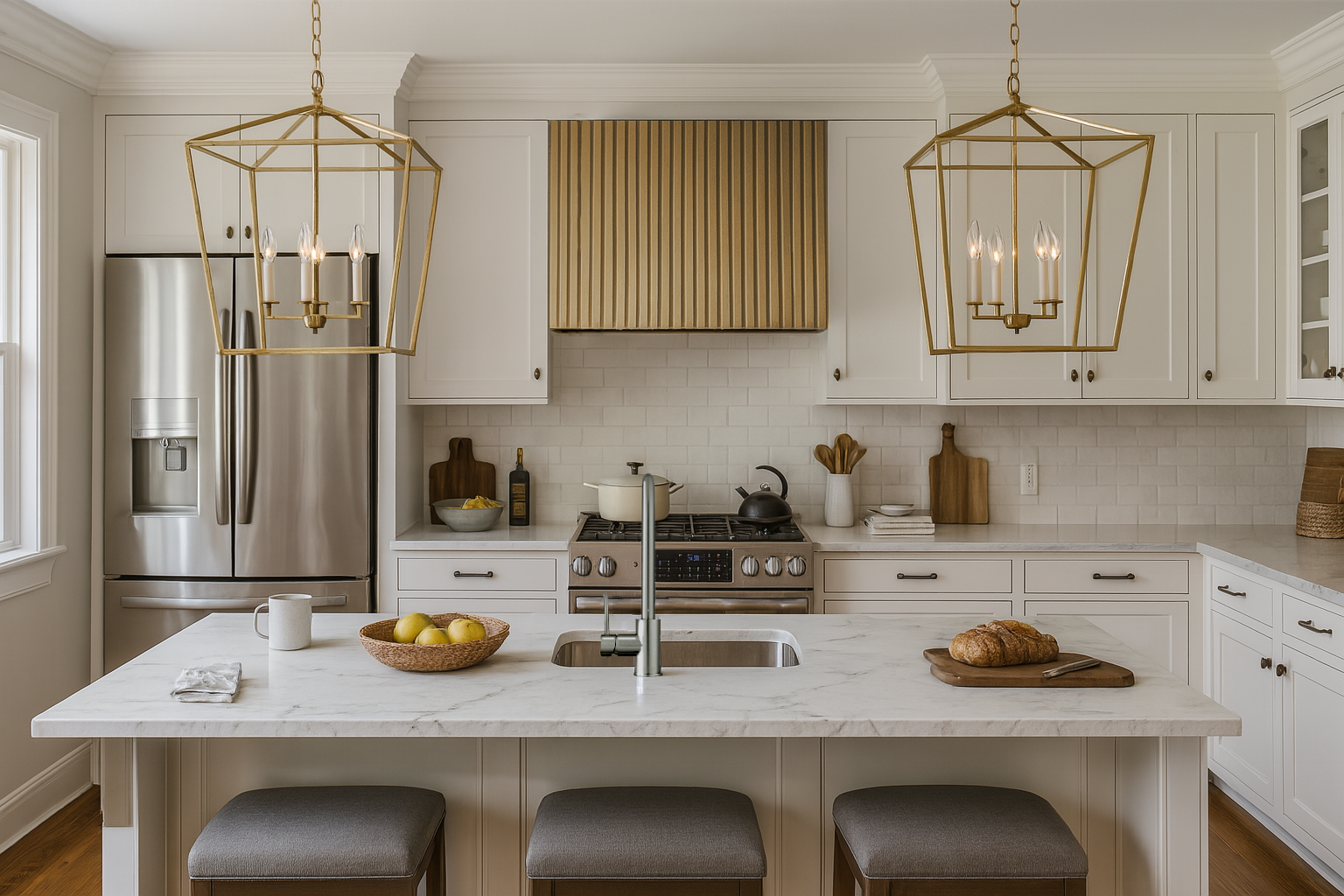
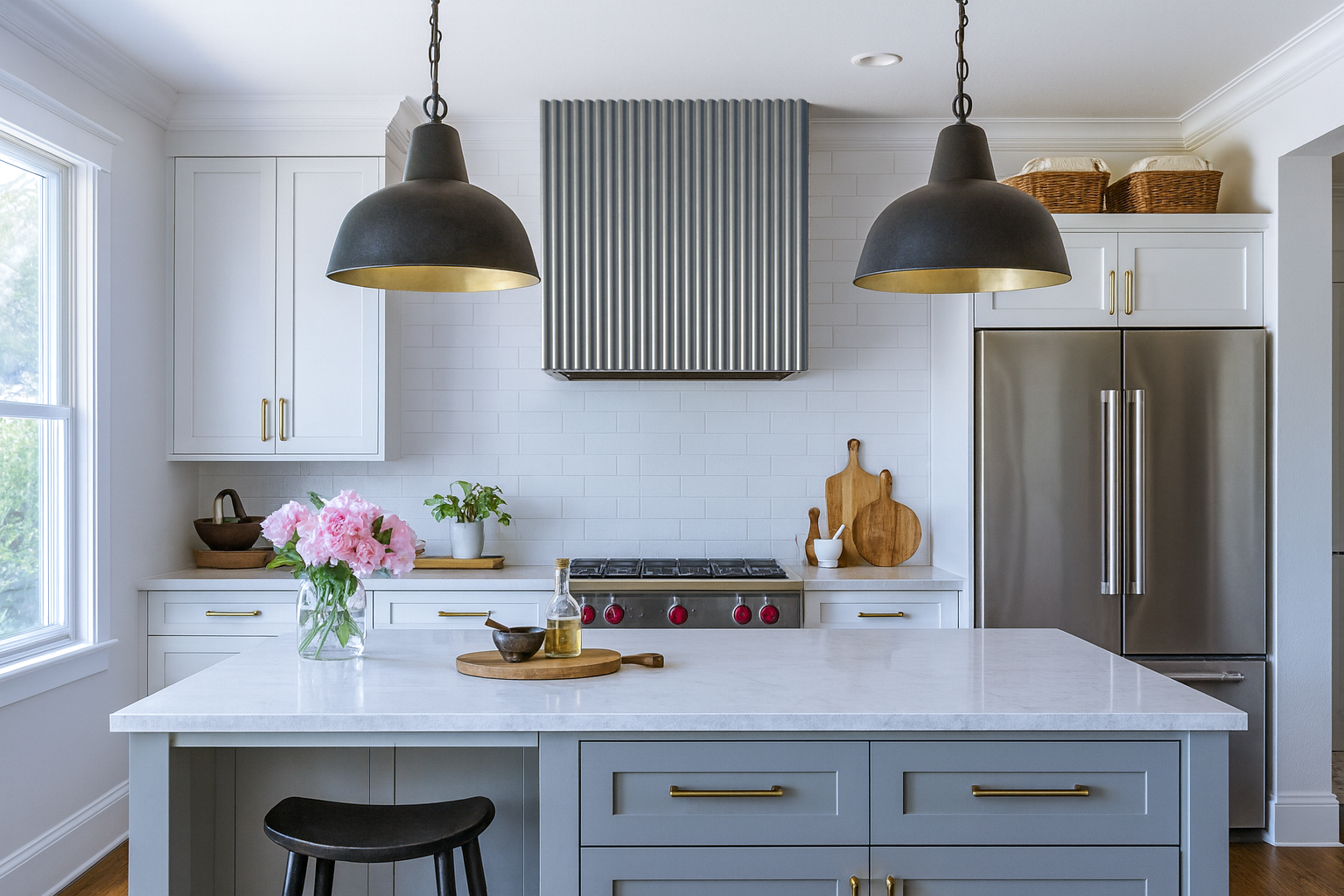
The contemporary interior design community has rediscovered pewter in a meaningful way. In high-end residential kitchens, pewter countertops offer an alternative to marble and quartzite that is warmer in character and entirely unique in texture. A hand-cast pewter kitchen island brings the gravitas of a material with centuries of history without sacrificing the refined, tailored quality that luxury interiors demand.
Design applications where pewter countertops and bar tops are making a significant impact:
- Kitchen islands — pewter’s patina and warmth create a natural centerpiece that marble and stone simply cannot replicate
- Wet bars and butler’s pantries — the French bistro reference is entirely at home in these intimate residential spaces
- Powder room vanity tops — a smaller application where pewter’s visual drama can be fully appreciated
- Outdoor bar surfaces — pewter’s durability and patina behavior make it a compelling choice for covered outdoor kitchens and bar areas
- Wine cellars and tasting rooms — the material’s historical association with wine culture makes this pairing feel entirely natural
At La Bastille, we offer an expanded selection of both traditional and modern edge profiles, allowing our pewter tops to fit seamlessly into any design direction — from the deeply classical to the clean and contemporary.
Pewter Bar Tops in Hospitality Design
For restaurant and bar designers, a pewter bar top is one of the most powerful tools available. It communicates instantly: this space has been considered with care, the materials have history, and the experience you are about to have will be worth your time.
The le zinc reference resonates with guests whether or not they can name it precisely. There is an instinctive recognition of quality and tradition in a well-fabricated pewter bar surface. It photographs exceptionally well — the way it reflects light and shows its texture makes it a natural anchor for editorial coverage and social media visibility, both of which matter to hospitality operators today.
Pewter bar tops are also genuinely durable in commercial settings. The alloy is resistant to the daily rigors of bar service, handles moisture well, and the natural patina process means that minor surface marks become part of the material’s character rather than signs of wear. A properly fabricated pewter bar top will look better at ten years than it did at installation.
We partner with designers, architects, and hospitality groups across North America, and we understand the timelines and specifications that commercial projects demand. Our team provides detailed technical shop drawings and works to reliable production timelines, so your project stays on track from concept to installation.
What to Expect When Working with La Bastille on a Pewter Project
Every pewter countertop and bar top we produce is one of a kind. The process begins with a conversation — understanding your space, your design intent, the edge profiles that will serve you, and the finish character you are after. From there, our in-house designers develop a full design packet and technical shop drawings for your review and approval.
Our typical lead time runs 12 to 14 weeks from approved drawings to delivery, depending on the complexity of the project. We work exclusively with the highest quality pewter alloys available, and every surface is hand-cast, hand-finished, and inspected before it leaves our fabrication facility.
We source, design, and fabricate entirely in the USA. There are no shortcuts in our process, and no element of the work is outsourced.
FAQ: Pewter Countertops and Bar Tops
Are pewter countertops food-safe?
Yes. Modern pewter alloys used in architectural applications are lead-free and appropriate for use in kitchen and bar environments. We use only the highest quality alloys in all of our fabrication.
How do I maintain a pewter countertop?
Pewter can be left to develop its natural patina with minimal maintenance — simply wipe clean with a soft cloth. If you prefer to maintain a brighter, more polished appearance, regular polishing with an appropriate metal polish will achieve that result.
Can pewter bar tops be fabricated in custom shapes?
Absolutely. Pewter’s malleability makes it particularly well-suited to custom forms, curved bar fronts, unusual dimensions, and highly detailed edge profiles. Our design team works closely with you to develop specifications that fit your exact space.
How does pewter differ from stainless steel as a bar surface?
Stainless steel is a harder, colder material with a more industrial character. Pewter is warmer in tone, develops a living patina, and carries a depth of character that stainless cannot replicate. For luxury and hospitality environments where atmosphere matters, pewter is in a different category entirely.
What is the lead time for a custom pewter countertop or bar top?
Our typical production timeline is 12 to 14 weeks from approved shop drawings. We provide clear milestone communication throughout the process so you always know where your project stands.
Ready to Bring Le Zinc Into Your Space?
The French knew what they were doing when they built their brasseries around a pewter bar. The material rewards daily use, ages with grace, and anchors a room in a way that few surfaces can match. Whether you are designing a luxury kitchen, a boutique hotel bar, or a flagship restaurant, a hand-cast pewter countertop or bar top is one of the most considered decisions you can make.
We would love to be part of that conversation. Reach out to the La Bastille team to begin your project — our in-house designers typically respond within one to two business days and are ready to help you bring this extraordinary material to life.