

A Practical Guide to Metal Bar Top Maintenance for High-Volume Hospitality Spaces
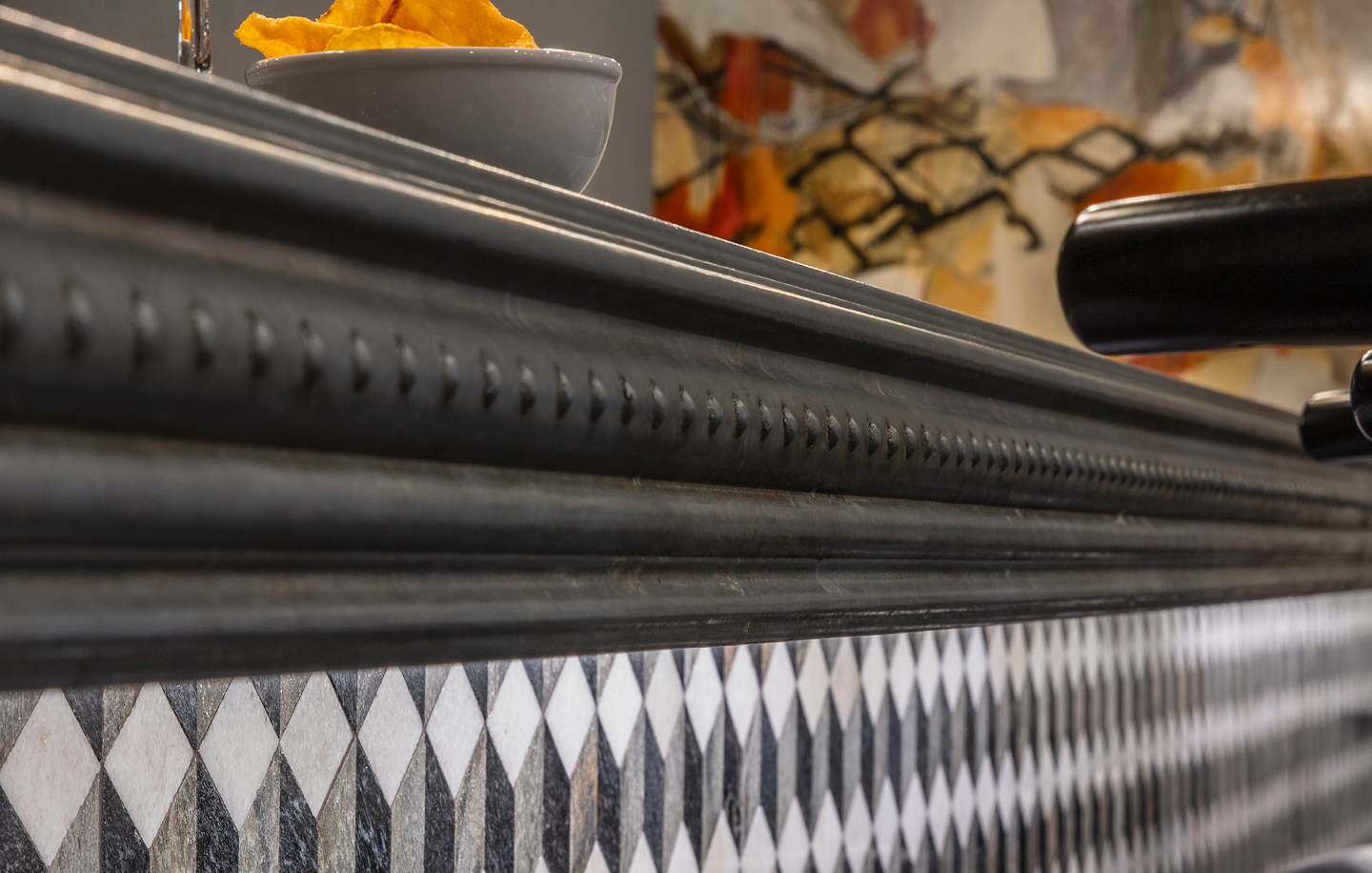
A handcrafted metal bar top is one of the most enduring investments a restaurant or bar can make — but only if the team behind the counter knows how to care for it. Zinc, pewter, brass, copper, and bronze each have distinct personalities. They age differently, respond differently to acids and abrasives, and reward different cleaning routines. This guide gives hospitality operators and their staff a clear, metal-specific framework for daily upkeep, periodic maintenance, and long-term preservation of living metal surfaces in demanding commercial environments.
Understanding Living Metals: Why Maintenance Is Different
Cast metals are not static surfaces. Unlike laminate, quartz, or sealed stone, living metals — zinc, pewter, brass, copper, and bronze — actively interact with their environment. Humidity, spills, fingerprints, and daily use all contribute to a process called patination: the gradual development of a surface layer that deepens color, adds warmth, and builds character over time.
This is not damage. It is the nature of the material, and it is precisely what makes a handcrafted metal bar top irreplaceable.
That said, how a surface patinas matters enormously. Neglect and improper care can produce uneven staining, deep pitting, or surface corrosion that detracts from the finish rather than enhancing it. A consistent, staff-wide maintenance routine ensures the metal ages gracefully — developing the rich, earned patina that defines a truly distinguished bar surface.
Daily Maintenance: The Non-Negotiables
Regardless of the specific metal, every high-volume bar benefits from the same foundational daily habits.
Wipe Down After Every Shift
At the end of each service, wipe the entire bar surface with a clean, soft cloth — microfiber is ideal — dampened with warm water. This removes residue from spills, drink condensation, and hand oils before they have a chance to etch or stain the metal.
Never use:
- Steel wool or abrasive scrub pads
- Bleach-based cleaners or disinfectant sprays containing chlorine
- Citrus-based degreasers or acidic cleaners (vinegar included)
- Harsh ammonia solutions
These products can strip protective patina, cause uneven discoloration, and — in the case of chlorine — accelerate corrosion in metals like zinc and copper.
Address Spills Immediately
Citrus juices, wine, beer, and spirits are mildly to moderately acidic. On a living metal surface, prolonged contact can leave light etch marks that disrupt the patina’s evenness. Train all bar staff to wipe spills promptly, especially anything containing citrus, tonic, or carbonated mixers.
Practical tip: Keep two or three clean microfiber cloths behind the bar at all times, dedicated solely to the bar top. Laundering them weekly prevents the buildup of cleaning product residue that can transfer back to the surface.
Avoid Dragging Hard Objects
Metal bar tops can scratch. Glassware, bottle caps, keys, and metal shakers dragged across the surface leave marks. Bar mats, rubber runners, and designated service stations go a long way toward protecting high-traffic zones.
Metal-Specific Care: Zinc, Pewter, Brass, Copper, and Bronze
Zinc Bar Top Maintenance
Zinc is arguably the most forgiving of the living metals in a bar environment. It is self-healing to a degree — minor surface scratches and marks tend to blend into the overall patina over time. Zinc begins as a cool blue-grey and deepens into a warmer, more characterful tone with use.
Daily: Warm water wipe-down with a soft cloth.
Weekly: For zinc surfaces that are meant to develop a natural patina, no further intervention is typically needed. If the surface looks dull or has a light film from accumulated residue, a very small amount of natural beeswax or carnauba wax applied with a soft cloth and buffed dry works beautifully. This nourishes the metal and brings out its warmth without halting the patination process.
What to avoid: Acidic cleaners will cause uneven spotting on zinc. A lime wedge left sitting on a zinc bar top overnight can leave a visible ring. The rule is simple — if it’s acidic, it goes elsewhere.
Patina philosophy: Many operators choose to let zinc patina freely. The resulting aged, matte finish is deeply appealing and requires minimal intervention. If a more uniform tone is desired, periodic waxing keeps the surface even without disrupting its natural character.
Pewter Bar Top Care and Polishing
Pewter has a long and distinguished history behind the bar. In France, the traditional zinc bar is actually more often pewter — the material has been the surface of choice in Parisian brasseries for centuries. La Bastille brings this tradition to North American hospitality with cast pewter bar tops that carry that same depth of history and refinement.
Pewter is tin-based, softer than bronze, and highly workable. It polishes to a striking silver brilliance — or it can be left to develop a muted grey or charcoal patina of extraordinary elegance.
Daily: Warm water and soft cloth. Dry thoroughly; standing water on pewter can leave water marks.
For a polished, mirror-like finish: Pewter responds beautifully to regular polishing. A quality metal polish formulated for tin-based alloys (avoid lead-containing compounds, which have no place in modern pewter) applied with a soft cloth in circular motions, then buffed to brilliance, can maintain a near-mirror finish. This does require consistency — in a high-volume bar, polishing every two to three weeks is a realistic schedule.
For a natural patina finish: Simply keep the surface clean and dry. The pewter will develop a sophisticated charcoal tone over months and years of use. Many operators find this low-maintenance approach perfectly suited to a busy bar program.
What to avoid: Abrasive pads, steel wool, and harsh chemical cleaners will scratch and streak pewter permanently. Bleach, in particular, should never be used on pewter.
Brass Bar Top Upkeep
Brass is a copper-zinc alloy with a warm golden tone that tends to be the most expressive of the living metals in terms of patination. In a bar environment, brass develops deep amber tones and rich brown oxidation that many operators regard as the surface’s greatest asset.
Daily: Warm water wipe-down. Dry completely after each wipe to prevent water spots.
For maintaining a polished finish: Brass polishes — traditional formulas like Bar Keepers Friend (used gently) or commercial brass polishes — restore the warm gold shine. Apply sparingly, work in the direction of any visible grain, and buff to a shine. In a high-volume setting, this level of polish maintenance is typically reserved for weekly or bi-weekly attention.
For a natural patina: Simply let the brass live. The oxidation that develops is part of the material’s appeal and adds tremendous warmth to a bar interior. Routine warm-water cleaning keeps the surface hygienic without disrupting patination.
What to avoid: Citrus-based or ammonia-heavy cleaners will aggressively strip the patina and can cause uneven discoloration. Avoid abrasive cleaners entirely.
Copper Bar Top Maintenance
Copper is among the most reactive of the living metals and, consequently, one of the most visually dramatic as it ages. Fresh copper has a warm rose-gold tone that deepens through amber and brown before eventually developing a distinctive verdigris patina in some environments.
Daily: Warm water and soft cloth — thorough drying is essential, as copper is particularly sensitive to water marks and mineral deposits from standing moisture.
For preserving a warm copper tone: A thin application of food-safe mineral oil or a dedicated copper conditioner once a week creates a light protective barrier, slows aggressive oxidation, and maintains the metal’s characteristic warmth. Buff to a soft sheen.
For a polished finish: Commercial copper polishes restore the bright rose-gold color. In a bar environment where the surface sees heavy use, this is genuinely labor-intensive and many operators opt instead to allow a controlled patina to develop.
What to avoid: Acid — including citrus juices, wine, and vinegar — is copper’s primary enemy in a bar context. Spill protocol is critical. Chlorine-based cleaners will cause permanent pitting and discoloration.
Bronze Bar Top Care
Bronze is the hardest and most durable of La Bastille’s living metals, traditionally associated with sculpture and architectural detail. Bronze bar tops and surfaces have grown significantly in popularity for high-end commercial applications precisely because of their durability and the breadth of their finish options — from polished golden bronze to rich antiqued brown.
Daily: Warm water and a soft cloth. Bronze is more resistant than zinc or copper but still benefits from consistent, gentle care.
Periodic maintenance: A quality paste wax — Renaissance Wax is a professional-grade option favored by conservators and metalwork specialists — applied two to four times per year provides excellent protection for bronze surfaces in commercial settings. This is especially valuable in bars where the surface sees constant contact with glassware and hands.
For polished finishes: Bronze polishes restore the warm golden tone when needed. Work gently and buff thoroughly.
What to avoid: While bronze is hardier than its counterparts, abrasive cleaners and chlorine-based products remain problematic and should be kept well away from the surface.
Seasonal and Periodic Deep Maintenance
Beyond the daily routine, build a quarterly maintenance schedule into your operations calendar:
- Inspect for deep scratches or gouges. Minor surface scratches are typically cosmetic and often blend into the patina over time. Deep gouges warrant consultation with a metal fabrication specialist.
- Re-wax or re-condition the surface based on the metal type and desired finish level.
- Assess patination evenness. If areas of heavy traffic are developing differently than protected sections of the bar, a professional refinishing or patina treatment may be appropriate.
- Check edges and seams for any signs of moisture ingress, particularly in installations where the bar top meets other materials.
Staff Training: Making Maintenance a Team Practice
A maintenance protocol is only as effective as its consistency. Post a brief, laminated care guide at the service station — metal type, approved cleaners, approved cloths, and a clear list of what is never permitted on the surface. Onboarding new bar staff should include a five-minute walk-through of the bar top’s care requirements. In a high-volume environment, these routines become second nature quickly.
FAQ: Metal Bar Top Maintenance
Can I use disinfectant sprays on my metal bar top?
Most commercial disinfectants contain chlorine, ammonia, or citric acid — all of which are harmful to living metal surfaces. For routine sanitation, a food-safe sanitizer that is free of bleach and chlorine compounds is the appropriate choice. Always consult your fabricator for surface-specific guidance.
How do I remove a water ring from a zinc or pewter bar top?
Light water rings on zinc or pewter can often be addressed with a gentle buffing using a soft cloth and a very small amount of appropriate metal polish or beeswax. For persistent marks, contact a metal surface specialist.
Should I seal my metal bar top?
La Bastille’s cast metal surfaces are designed to live and develop naturally. Sealing with the wrong product can trap moisture, cause adhesion issues, and alter the patina unpredictably. Use only products recommended by your fabricator.
How often should I polish a pewter bar top to maintain a mirror finish?
In a high-volume bar, every two to three weeks is a realistic schedule for maintaining a polished pewter surface. The exact frequency depends on service volume and the level of polish desired.
Will my metal bar top hold up in a high-volume environment?
Handcrafted cast metal bar tops — particularly those fabricated from the highest quality alloys — are exceptionally durable and are purpose-built for demanding commercial use. The key is consistent, appropriate care.
A La Bastille bar top is designed to serve your operation for decades — growing more distinctive and more beautiful with every year of careful use. If you have questions about the care of your specific surface, or if you are in the planning stages of a new bar installation, our team is here to help. We partner with hospitality groups, designers, and architects across North America, and we bring both the technical knowledge and the artisanal expertise to ensure your investment performs as beautifully as it looks.