
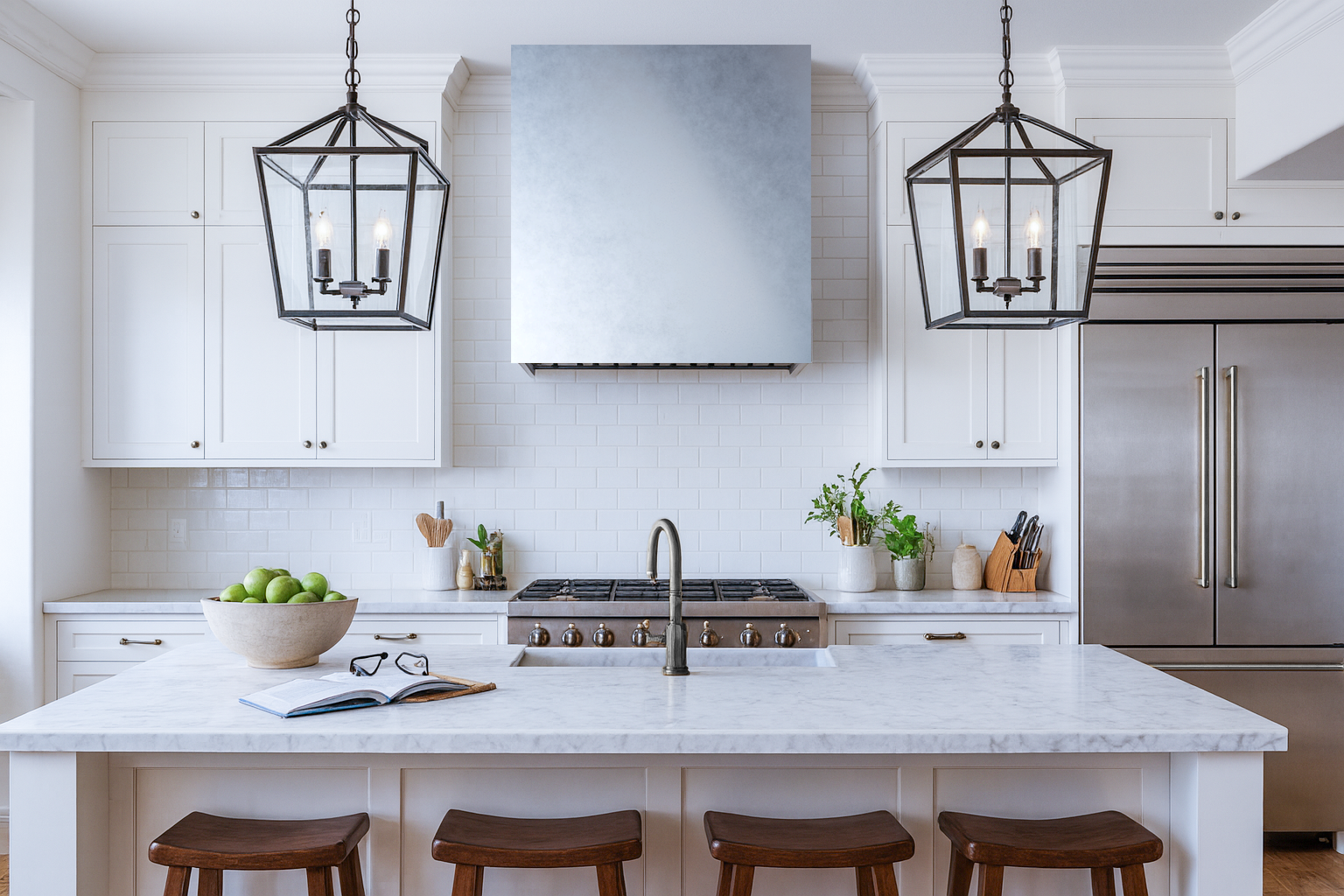
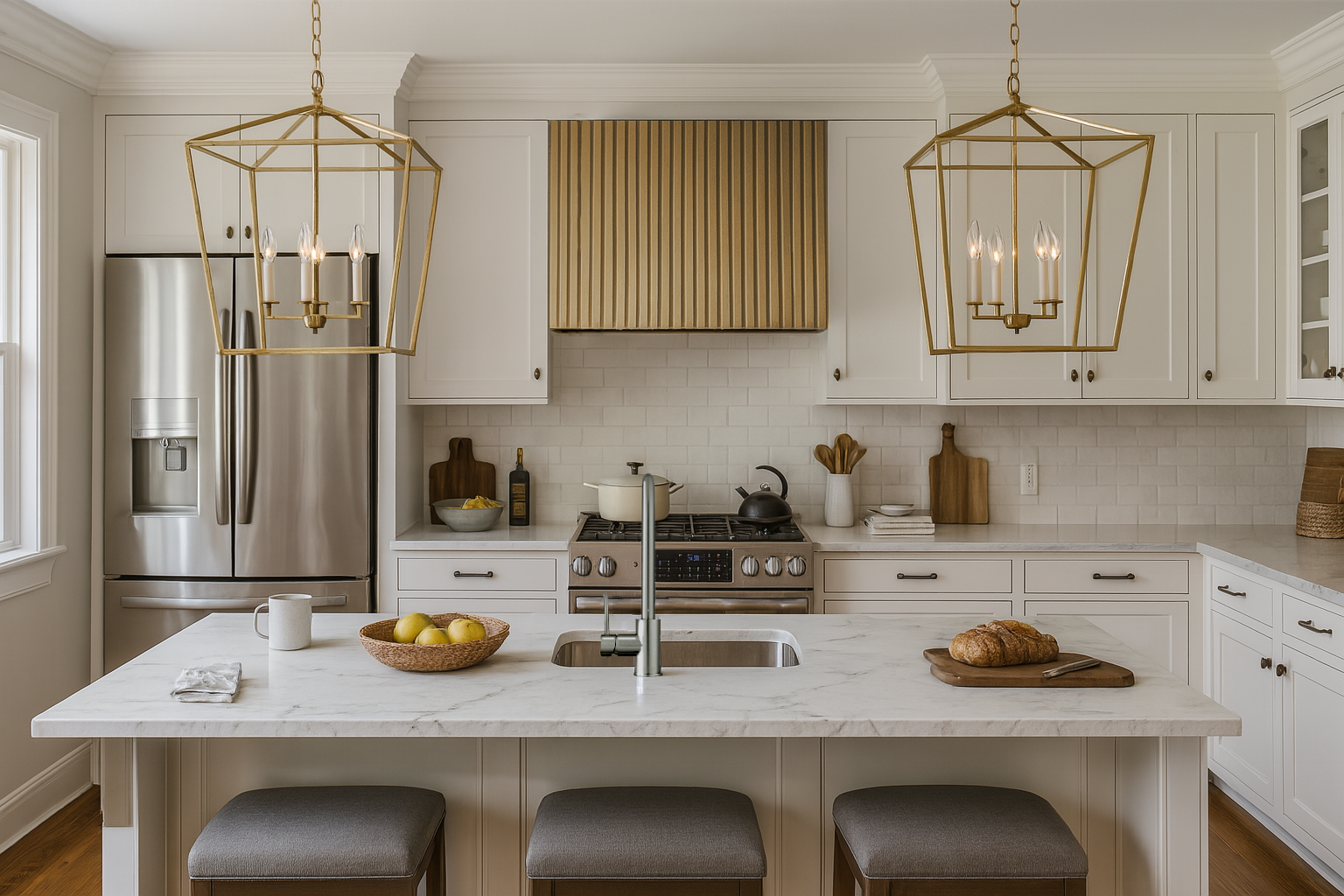
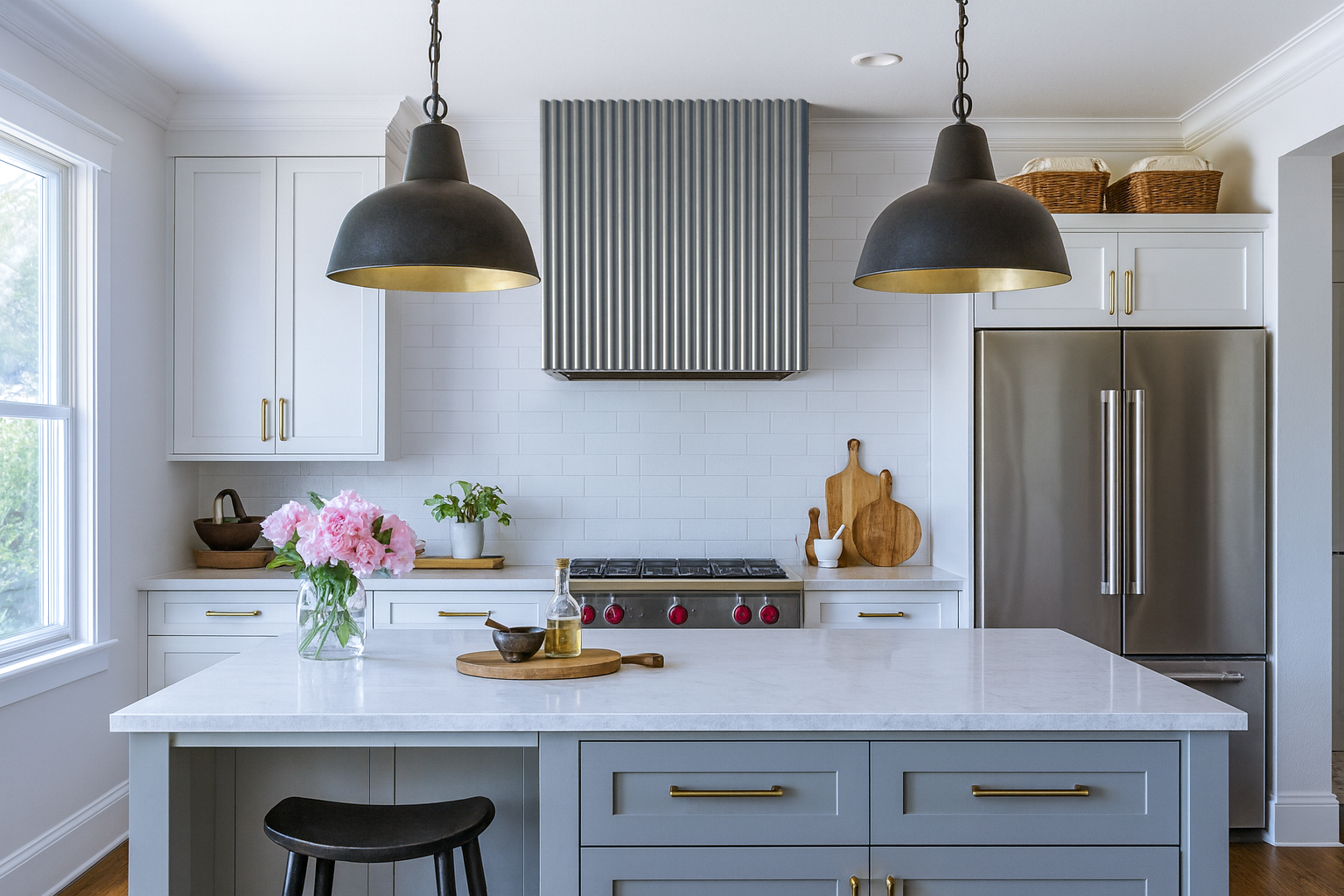

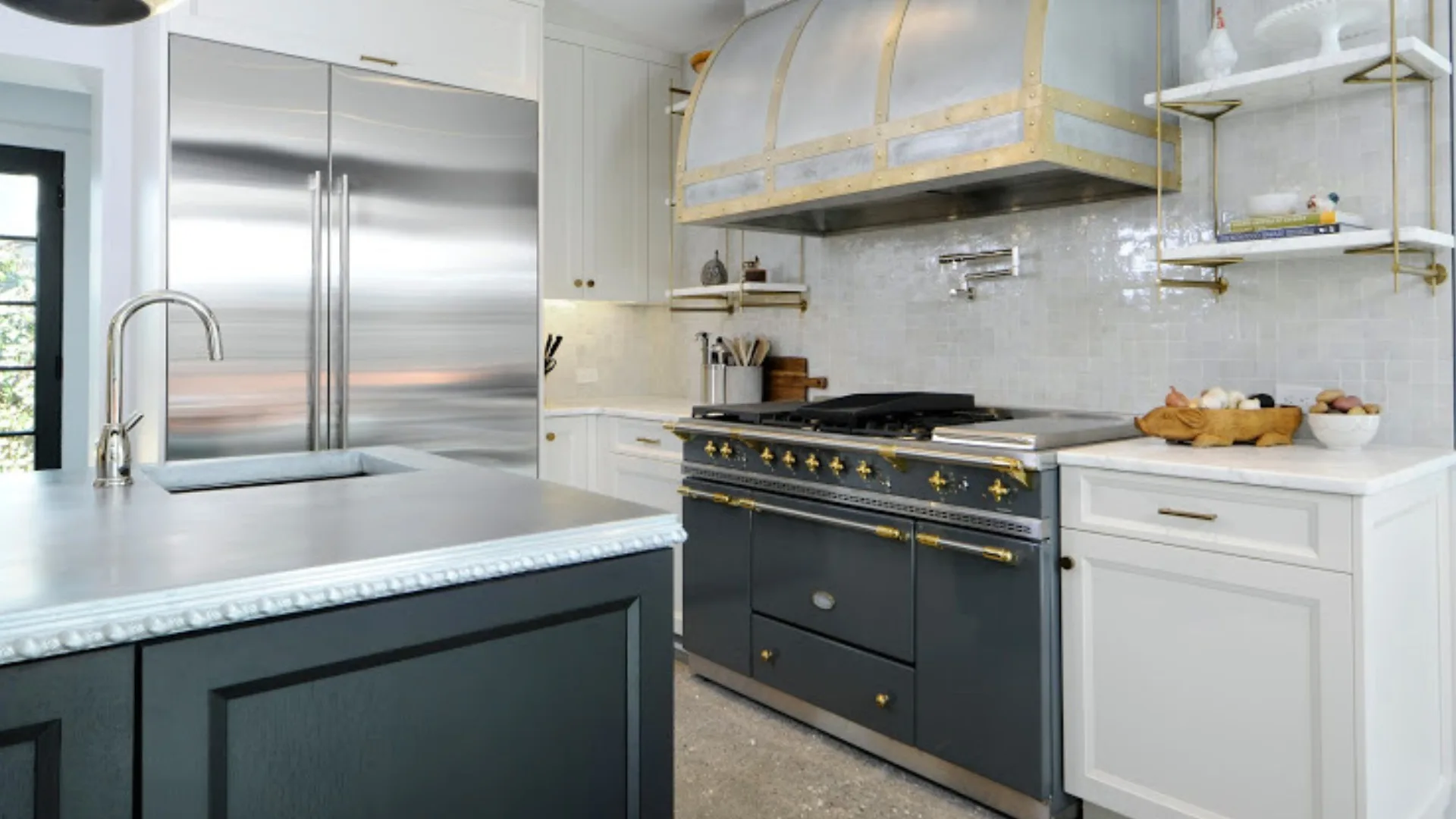
When a kitchen, bar, or hospitality space is designed with genuine intentionality, every surface speaks to every other. The countertop is not an afterthought — it is a material declaration. For designers and homeowners working at the highest level of residential and commercial interiors, designing custom metal countertops that align with the architectural language of a space is both a craft challenge and a creative opportunity. This guide offers a practical, material-to-architecture matching framework built around five living metals — zinc, brass, bronze, pewter, and copper — and the architectural vocabularies each serves best.
Why Architectural Matching Matters for Metal Countertop Design
A metal countertop is not a neutral surface. Unlike stone or engineered quartz, cast metals carry their own character — they age, patina, and deepen over time. Each alloy has its own chromatic identity, its own thermal presence, and its own relationship to light. When chosen thoughtfully, the right metal countertop does not merely complement an interior; it anchors it.
The mistake many designers make is selecting a metal finish based on isolated mood board aesthetics rather than the structural and stylistic logic of the surrounding architecture. A brass countertop placed in a clean Scandinavian-minimalist kitchen can feel dissonant. Zinc misused in a high-gloss contemporary space may read as unresolved. The framework below is designed to prevent those mismatches — and to open doors to pairings that feel both inevitable and inspired.
The Five Living Metals: A Character Profile
Before matching metal to architecture, it is worth understanding each alloy on its own terms. These are not static finishes. They are living metals, and their relationship with time is part of what makes them heirloom-quality choices.
Zinc
Zinc is the most architecturally versatile of the five. Its natural color is a cool blue-grey — quietly sophisticated, neither warm nor cold in an extreme way. With use and time, zinc develops a rich patina and a warmth that no applied finish can replicate. It has centuries of precedent in architectural applications: roofing systems, ornamental facades, downspouts, and tile cladding across European buildings. This heritage makes zinc an extraordinary choice for spaces that carry historical reference or that aspire to a sense of permanence.
Zinc can also be fabricated with a range of edge profiles and surface treatments — from highly ornate architectural detailing to sleek, minimal profiles — which gives it rare range across design vocabularies.
Pewter
Pewter is the metal most closely associated with the refined world of French bistros and brasseries. In fact, the French term le zinc — commonly used to refer to Parisian bar tops — actually refers to pewter surfaces. Pewter is a malleable alloy composed primarily of tin, and its silvery, luminous surface carries an elegance that reads beautifully under both warm and cool lighting.
Polished pewter achieves a near-mirror finish. Left to age naturally, it develops a muted grey or charcoal patina that is deeply sophisticated. It is low-maintenance, durable, and environmentally sustainable — qualities that make it as practical as it is beautiful.
Brass
Brass brings warmth and an unmistakable richness to any space. Its golden tones shift with finish — from a bright, polished surface to a darker, antiqued depth — giving designers considerable control over its visual weight. Brass works with architecture that favors material opulence, historic reference, and jewel-like detailing. It is also one of the most versatile in terms of finish options, pairing beautifully with marble, dark cabinetry, natural wood, and richly layered interiors.
Bronze
Bronze is significantly harder than zinc or pewter, and that structural solidity is reflected in its visual presence. Historically used in sculpture and monumental architectural elements, bronze brings a gravitas that few materials can match. Its finish range spans from polished golden-bronze to rich antiqued brown, and it accepts sculptural and relief detailing with extraordinary resolution. Bronze is a commitment — and a statement.
Copper
Copper is the warmest of the five, carrying reddish-orange tones that evolve through use into deep, amber-rich browns and eventually into the familiar blue-green verdigris of aged copper. It has long been used in culinary and bar environments for its natural antimicrobial properties. Copper reads as handcrafted almost instinctively — its warmth and organic variation make it feel alive in a way that resonates with artisan-forward and nature-inspired design philosophies.
The Metal-to-Architecture Matching Framework
Traditional and Classical Architecture → Zinc or Pewter
Homes and interiors that draw from classical European traditions — Georgian, Federal, French Country, Beaux-Arts, Victorian — have a natural affinity with zinc and pewter. Both metals have deep roots in European architectural history. Zinc's use across Haussmann-era Paris, in particular, gives it an almost unavoidable association with the refined, lived-in elegance of old-world interiors.
In these spaces, we recommend zinc countertops with ornate edge profiles and an aged, pre-patinated finish that reads as though it has been in place for generations. Pewter works equally well, particularly in butler's pantries, wet bars, and kitchen islands where a silvery, luminous surface can serve as a quiet focal point against traditional millwork.
Pairing notes: Dark-painted cabinetry, marble backsplashes, period hardware in aged brass or oil-rubbed bronze, stone or parquet flooring.
Modern and Contemporary Architecture → Zinc or Polished Pewter
Contemporary interiors defined by clean lines, minimal ornamentation, and an emphasis on materiality find an unexpected but powerful partner in zinc. Its cool blue-grey tones align naturally with the restrained palette of modern design, and its ability to be fabricated with simple, precise edge profiles keeps it architecturally coherent in these environments.
Polished pewter is another strong candidate for modern kitchens. Its mirror-like surface and neutral silver hue work seamlessly in spaces dominated by concrete, glass, white oak, and matte lacquer cabinetry. It introduces warmth without competing with the geometry of the architecture.
Pairing notes: Flat-front cabinetry, integrated appliances, concrete or large-format tile flooring, matte black or brushed nickel fixtures.
Transitional Design → Brass or Antiqued Zinc
Transitional interiors — spaces that balance classical proportions with contemporary restraint — are where brass truly excels. Brass carries enough historical warmth to honor traditional architecture while its range of finish options allows it to feel entirely current. An unlacquered brass countertop that ages gracefully over years of use is one of the most rewarding design decisions available to a homeowner who plans to live in a space for a long time.
Antiqued zinc is an equally compelling option here. Its ability to read as both historically resonant and quietly modern means it bridges traditional cabinetry and contemporary appliances without conflict.
Pairing notes: Shaker-style cabinetry, mixed metal fixtures, quartzite or soapstone backsplashes, engineered oak or wide-plank flooring.
Industrial and Loft Architecture → Bronze or Aged Copper
Raw concrete ceilings, exposed ductwork, steel windows, and brick — industrial interiors demand a metal with structural credibility. Bronze, with its density, sculptural richness, and antiqued brown tones, is ideally suited to these spaces. It does not feel delicate or decorative; it feels earned. A bronze bar top in a loft conversion or restaurant with exposed structure will read as though it belongs to the building itself.
Aged copper brings similar gravitas while introducing organic warmth that industrial spaces often need to feel habitable. Its evolving patina mirrors the weathered surfaces of an industrial environment without mimicking them literally.
Pairing notes: Exposed brick, poured concrete, blackened steel windows, reclaimed wood shelving, Edison lighting.
Artisan, Farmhouse, and Nature-Inspired Interiors → Copper or Zinc
Spaces that celebrate handcraft, natural materials, and a sense of rootedness in place find their ideal countertop partner in copper or zinc. Copper's organic warmth and visible hand-crafted character align naturally with interiors furnished in natural linen, reclaimed wood, hand-thrown ceramics, and woven textiles. It is a material that rewards close attention — the more you look, the more you see.
Zinc works beautifully here as well, particularly in farmhouse kitchens where its cool tones provide a contrast against warm wood tones, aged brick, or stone. Its historical association with working surfaces — dairies, bakeries, butcher counters — gives it an authenticity that feels at home in spaces designed to honor the craft of everyday life.
Pairing notes: Shiplap or board-and-batten walls, open shelving in reclaimed wood, apron-front sinks, stone tile or wood plank flooring.
Surface Finishes and Edge Profiles: Completing the Design
Selecting the right metal is only the first decision. The finish and edge profile are what bring a design to resolution.
Finish options to consider by architecture:
- Polished: Best for modern and contemporary interiors; maximizes light reflection; easier to maintain at a consistent appearance
- Brushed or satin: Versatile across transitional and artisan spaces; reduces glare; shows patina more gradually
- Pre-patinated or aged: Ideal for traditional, farmhouse, and industrial interiors; creates immediate depth and character
- Unlacquered (living finish): Recommended for clients who want the countertop to evolve authentically over time; best paired with an understanding of how living metals behave
Edge profiles: From simple flat edges and radius profiles to detailed ogee and step profiles, edge selection should align with the cabinetry door profiles and the overall level of architectural ornamentation in the space. A Shaker kitchen calls for a cleaner edge; a traditional French Country kitchen can support a more elaborate profile.
At La Bastille, our in-house design team works closely with architects, designers, and homeowners to ensure that finish and edge selections are made with full technical understanding — not guesswork.
Working with La Bastille: What the Process Looks Like
Every project begins with a conversation. Our team of on-staff designers and skilled artisans brings both technical and artistic expertise to each collaboration, whether the project is a single kitchen island or a multi-location hospitality rollout.
We typically respond to new inquiries within one to two business days, and our standard lead time for custom countertops and bar tops runs approximately twelve to fourteen weeks depending on scope and finish specifications. All of our metals — zinc, pewter, brass, bronze, and copper — are the highest quality available, and every piece is sourced, designed, and fabricated in the USA.
We partner with architects, interior designers, and hospitality groups across North America. If you are working on a project that calls for a curated trade solution, our Bastille Collection offers a selection of ready-to-order cast metal range hoods in zinc and brass, designed specifically for high-end builders and designers who require volume with consistent quality.
FAQ: Custom Metal Countertop Design
Which metal is the most durable for a kitchen countertop?
Bronze is the hardest of our five specialty metals and offers exceptional durability. Zinc and pewter are also long-lasting when properly maintained, and all five metals are appropriate for residential kitchen use with the right care practices.
Will my metal countertop look different over time?
Yes — and intentionally so. Our metals are living finishes. Zinc, pewter, copper, brass, and bronze all develop patinas over time that deepen their character. Many of our clients consider this evolution one of the most compelling qualities of a cast metal surface.
Can I match my countertop metal to an existing range hood?
Absolutely. We fabricate both countertops and range hoods in the same metals and finishes, and we regularly coordinate these elements for a fully integrated design. We encourage designers to share the full material scope of the project at the outset so we can advise on consistency across surfaces.
How do I get started with a custom countertop project?
The best first step is to reach out directly through labastille.com. Our team will follow up within one to two business days to begin discussing your specifications, timeline, and design vision.
Do you work with designers and architects on trade projects?
Yes. We actively partner with design and architecture professionals across North America. Our trade program includes dedicated support, reliable lead times, and access to our full catalog of custom and collection options.
The right metal countertop does not announce itself. It belongs. When the material, finish, and architectural context are matched with care and expertise, the result is a surface that feels as though it could only ever have been in that space — handcrafted, one of a kind, and built to last for generations.