

Zinc countertops occupy a rare position in the world of architectural materials — beautiful enough for a Parisian brasserie, durable enough for a commercial kitchen, and distinctive enough to anchor the entire aesthetic of a luxury interior. Whether you’re a designer specifying surfaces for a boutique hotel bar or a homeowner drawn to the quiet elegance of a lived-in, characterful kitchen, this guide covers everything you need to know: where zinc comes from architecturally, how its patina develops, how to care for it, and why cast zinc continues to earn its place among the most compelling countertop materials available today.
The Architectural Heritage of Zinc
Zinc has been a trusted material in European architecture for centuries. Long before it appeared on kitchen countertops, zinc was pressed into service on the rooftops of Paris, covering the mansard roofs that define the city’s famous skyline. It appeared in ornamental downspouts, window frames, gutters, and decorative moldings — a workhorse material that also happened to age with uncommon grace.
That architectural legacy is not incidental. It tells us something essential about zinc’s character: this is a material that performs in demanding environments while quietly developing beauty over time. By the 19th century, zinc had become the preferred surface for bar tops throughout France. Parisian establishments used it so widely that bars themselves became colloquially known as “le zinc” — a name that persists in French culture to this day, even as the surfaces in question evolved.
Understanding zinc’s architectural roots helps explain its resurgence in modern design. Designers and architects aren’t simply choosing zinc because it looks beautiful on day one. They’re choosing it because it tells a story — one that deepens with every passing year.
What Makes Zinc Unique as a Countertop Material
The Signature Blue-Grey Hue
Zinc’s color is one of its most immediately recognizable qualities. It is grey in tone, but with a cool blue-grey hue that sets it apart from other metals. This subtle chromatic quality gives zinc an almost elemental presence — not as warm as copper or brass, not as stark as stainless steel, but something quieter and more refined in between.
That hue also shifts with light. In morning light, a zinc countertop can read as a soft silver-grey. Under warm evening lighting, it takes on a deeper, more atmospheric quality. This responsiveness to its environment is part of what makes zinc so well-suited to both residential and hospitality interiors.
A Living Metal
At La Bastille, we describe zinc as a living metal — and that phrase is not marketing language. It reflects a genuine material truth. Zinc reacts to its environment, to touch, to the mild acids in food and drink, to humidity and air. Over time, those reactions accumulate into a patina that is entirely unique to each surface, shaped by how that specific piece has been used and where it has lived.
New zinc is bright and relatively smooth. As it ages, it develops a soft matte finish with subtle variation — slightly darker in areas of frequent contact, lighter where it is touched less. That patina is not damage. It is character, earned through use, and it is one of the primary reasons designers specify zinc for projects where they want a surface that improves with age.
Versatility in Design Range
Few materials span such a wide design spectrum as gracefully as zinc. On one end, cast zinc can be worked into highly ornate profiles — richly detailed edge treatments, embossed surfaces, and architectural elements that evoke centuries-old European craftsmanship. On the other end, zinc’s cool, muted tone pairs beautifully with clean-lined, contemporary interiors where the surface acts as a quiet counterpoint to bolder design choices.
This range is precisely why zinc suits both antique-inspired kitchens and sleek modern restaurants. A hand-cast zinc bar top with an ogee edge speaks to the same heritage as those Parisian brasseries. A flat-profile zinc island in a contemporary kitchen speaks an entirely different design language — and both are entirely authentic expressions of the material.
How Zinc Patina Develops Over Time
The Natural Aging Process
Zinc begins its patination process almost immediately upon installation. In the early weeks, the surface develops a light oxide layer — a protective film that forms naturally as zinc reacts with oxygen and moisture in the air. This is zinc’s built-in defense mechanism, and it’s one of the reasons the material has such a long service life in architectural applications.
Over months and years, this layer deepens into the characteristic matte finish associated with aged zinc. Areas of the countertop that see the most use — around a sink, along a frequently used prep area, or at the edge of a bar where guests rest their glasses — will develop a slightly different texture and tone than surrounding areas. These use patterns are not flaws. They are the visual record of a surface doing its job.
Accelerated or Guided Patination
For projects where the goal is an established, antique appearance from day one, skilled artisans can guide and accelerate the patination process. At La Bastille, we handcraft zinc countertops that can be made to look as though they have been in place for decades — rich with the kind of mellow, layered character that typically takes years to develop naturally. This is particularly valuable for restaurant and hospitality projects where the design intent is a storied, timeworn aesthetic from opening day.
What Affects the Rate of Patination
Several factors influence how quickly and how dramatically a zinc countertop develops its patina:
- Food and beverage contact: Acids in citrus, wine, and vinegar will react with zinc and accelerate local patination. This is expected and, for most clients, desirable.
- Water exposure: Areas near a sink will develop their patina more quickly, often with a slightly softer, more matte texture.
- Humidity and climate: Higher ambient humidity generally speeds the formation of the protective oxide layer.
- Surface treatments: Wax or oil applied at installation can slow the initial development of patina, giving clients more control over the aging process.
Zinc Countertop Maintenance
Day-to-Day Care
One of zinc’s practical advantages is that it does not demand complicated maintenance. For daily cleaning, a soft cloth and warm water are generally sufficient. Mild dish soap can be used when needed. Avoid abrasive scrubbers or harsh chemical cleaners — they can disrupt the developing patina in ways that are difficult to reverse and can scratch the surface.
Waxing and Conditioning
Periodic waxing is the most commonly recommended maintenance practice for zinc countertops. A food-safe wax — beeswax or a purpose-made metal conditioner — applied every few months helps protect the surface and gives you some influence over how the patina develops. Regular waxing tends to produce a slightly richer, more even patina over time.
Embracing Rather Than Fighting the Patina
The most important piece of maintenance advice we offer is also the simplest: adjust your expectations, and let the material do what it does naturally. Clients who approach zinc countertops with the same expectations they bring to polished stone — perfectly uniform, unchanging — will find themselves fighting the material. Clients who understand that variation and character are the point will find that zinc becomes more beautiful with less effort the longer they live with it.
If a surface develops a mark or a spot that doesn’t integrate naturally over time, light sanding with a very fine-grit abrasive followed by re-waxing can help blend it in. For significant repairs or refinishing, we recommend consulting with our team directly.
Zinc in Modern and Antique-Inspired Interiors
Luxury Residential Kitchens
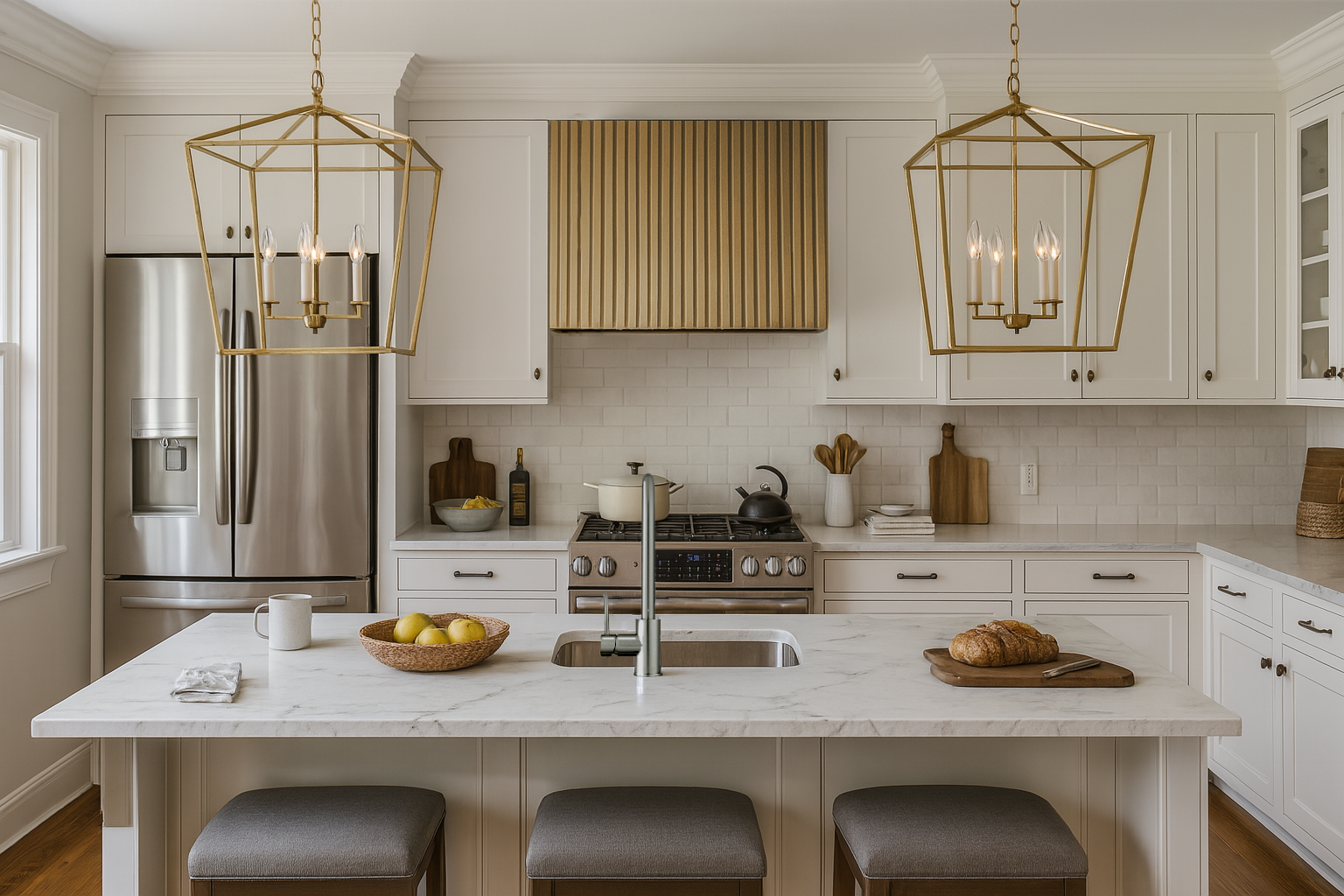
In high-end residential kitchens, zinc kitchen countertops are increasingly specified for islands, perimeter counters, and integrated bar areas. The material pairs particularly well with warm wood cabinetry, unlacquered brass hardware, and natural stone — combinations that feel layered, collected, and deeply considered rather than assembled from a catalog.
For designers pursuing an old-world European aesthetic — a French farmhouse kitchen, a Belgian modernist interior, a New York apartment with genuine architectural history — zinc is often the countertop material that makes the entire scheme feel authentic. Its age and heritage read immediately, even before the patina fully develops.
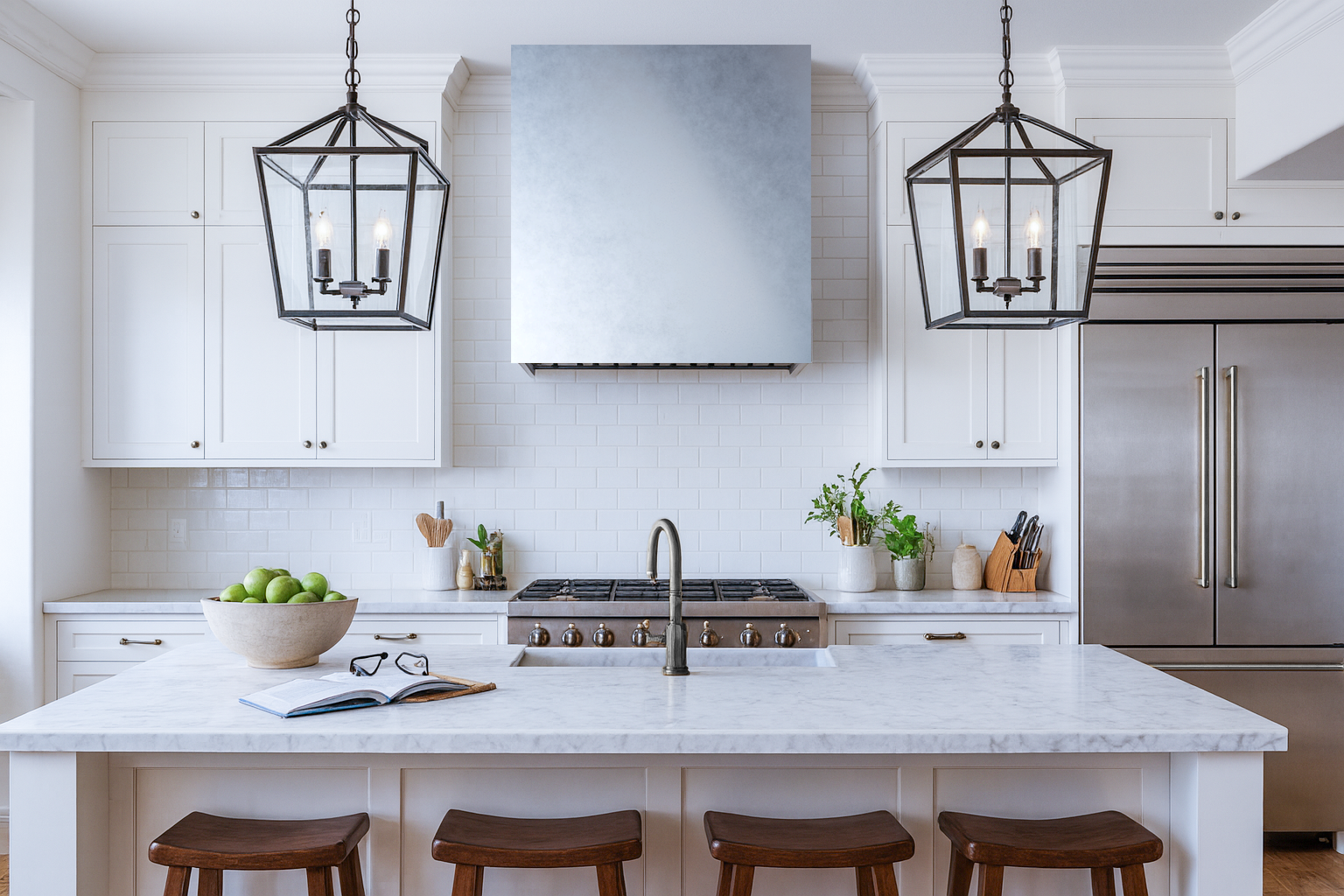
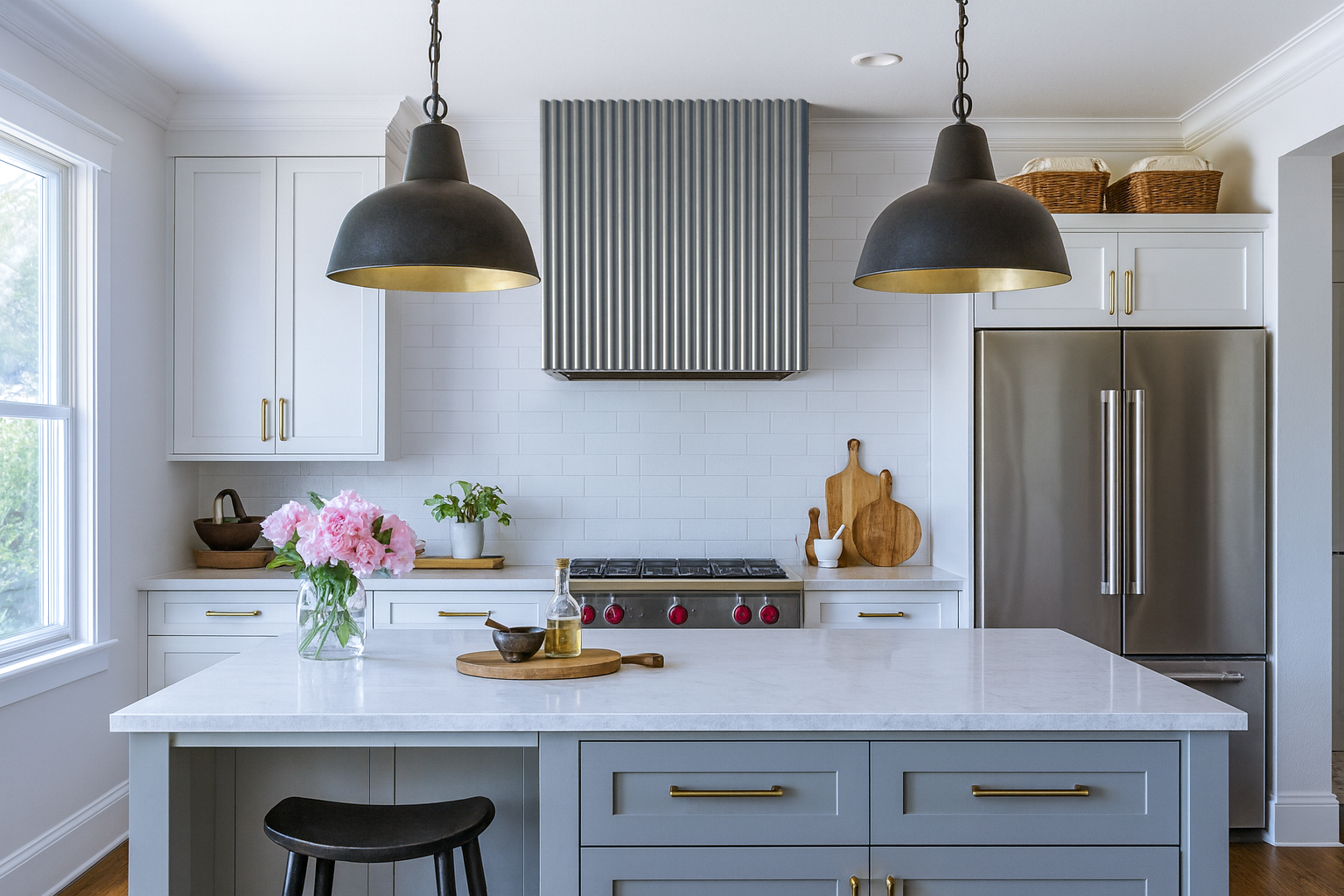
In more contemporary residential applications, zinc’s cool blue-grey tone works beautifully against white or matte-black cabinetry, creating a surface that grounds the space without competing with other design elements.
Restaurant and Hospitality Environments
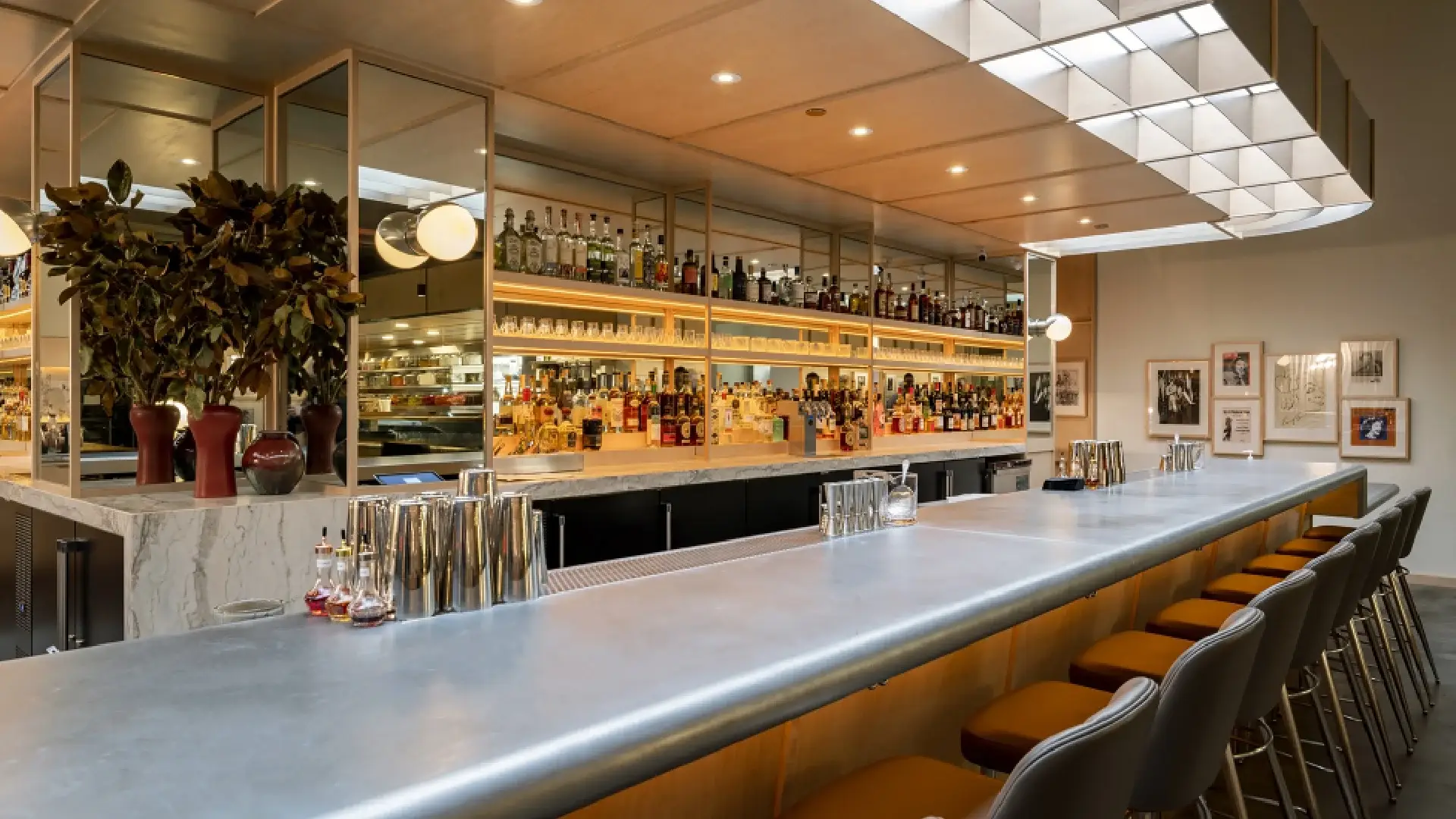
Zinc has always been at home in restaurants and bars. Its connection to the French brasserie tradition gives it an immediate cultural credibility in hospitality environments, and its durability and hygienic properties make it genuinely practical in commercial settings.
Cast zinc bar tops are among our most requested pieces at La Bastille. The material develops its patina beautifully in a bar environment, where the daily rhythm of glasses, elbows, and spillage creates exactly the kind of layered, characterful surface that makes a bar feel like it has been there forever. For restaurant and hospitality groups designing for longevity and authenticity, zinc delivers on both counts.
Boutique Hotels and High-End Commercial Spaces
Zinc’s range — from ornate to minimal — makes it equally appropriate for the reception desk of a boutique hotel or the vanity countertop in a luxury bathroom suite. Architectural zinc details, including range hoods, backsplash elements, and custom millwork accents, can tie an entire interior together around the material’s distinctive palette and character.
Why Cast Zinc Countertops Are Different
Not all zinc countertops are created equal. Sheet zinc, formed from flat-rolled material, is one option — but cast zinc countertops, hand-cast by skilled artisans, offer a depth and quality of surface that sheet material simply cannot replicate.
The casting process allows for greater thickness, more complex edge profiles, and a surface texture that carries the mark of the hand. At La Bastille, we hand-cast each zinc countertop to precise specifications, creating heirloom-quality pieces that are entirely one of a kind. No two castings are identical, and that individuality is not a limitation — it is the point.
Our cast zinc is sourced and fabricated entirely in the USA by our in-house team of designers and skilled artisans. We use only the highest-quality alloys available, and every piece is built to perform in both demanding commercial environments and the most refined residential interiors.
Frequently Asked Questions
Is zinc safe for food preparation?
Yes. Zinc is generally considered safe for food contact surfaces. It has naturally antimicrobial properties, and mild food acids that contact the surface contribute to its patination without creating any health concerns. We recommend avoiding prolonged direct contact with highly acidic foods, particularly on freshly installed surfaces.
Will zinc countertops scratch?
Zinc is a relatively soft metal, which contributes to its ability to develop a beautiful patina but also means it will show fine scratches over time. In most cases, these marks integrate naturally into the patina. We do not recommend using zinc countertops as a cutting surface.
How long does it take for zinc to develop its patina?
Initial changes are often visible within weeks. A full, rich patina typically develops over one to three years depending on use, environment, and maintenance practices. Surfaces can also be pre-patinated by our team for clients who want that established look from day one.
Can zinc countertops be refinished?
Yes. One of zinc’s practical advantages is that it can be refinished by a skilled metalworker. Light sanding and re-waxing can address most surface issues. For significant work, we recommend working with our team directly.
What edge profiles are available for zinc countertops?
At La Bastille, we offer a wide range of edge profiles — from traditional ogee and waterfall edges inspired by European architectural detailing to clean, contemporary flat edges. Because each piece is fully custom, edge profiles are specified as part of the design process.
Working with La Bastille
If you’re specifying zinc countertops for a project — whether a single residential kitchen island or a full restaurant bar program — we invite you to connect with our team. We partner with designers, architects, and hospitality groups across North America, and we bring both technical and artistic expertise to every engagement.
Our process begins with understanding your design intent and project requirements. From there, our in-house designers work with you to develop specifications, edge profiles, and finish directions that align precisely with your vision. We pride ourselves on reliable timelines, refined finishes, and a level of support that makes custom metalwork feel straightforward rather than complicated.
Zinc is a material that rewards patience, rewards quality, and rewards the decision to invest in something that will look better in ten years than it does today. We handcraft each piece with exactly that longevity in mind — because an heirloom-quality surface deserves heirloom-quality craftsmanship.