

Why Leading Architects and Hospitality Designers Are Specifying Custom Metal Bar Tops for Boutique Hotels
When a boutique hotel opens its doors, every detail speaks before a single guest says a word. The lobby sets a tone, the corridors tell a story, and the bar — perhaps more than any other space — defines the spirit of the property. Increasingly, architects and interior designers working in luxury hospitality are anchoring that spirit with a single material choice: a custom metal bar top, hand-cast from zinc, pewter, brass, bronze, or copper. It is a specification that carries both visual authority and long-term performance logic. Understanding why that choice is being made — and why it is made with partners like La Bastille — reveals something important about the direction of boutique hotel design.
The Bar as Brand Identity
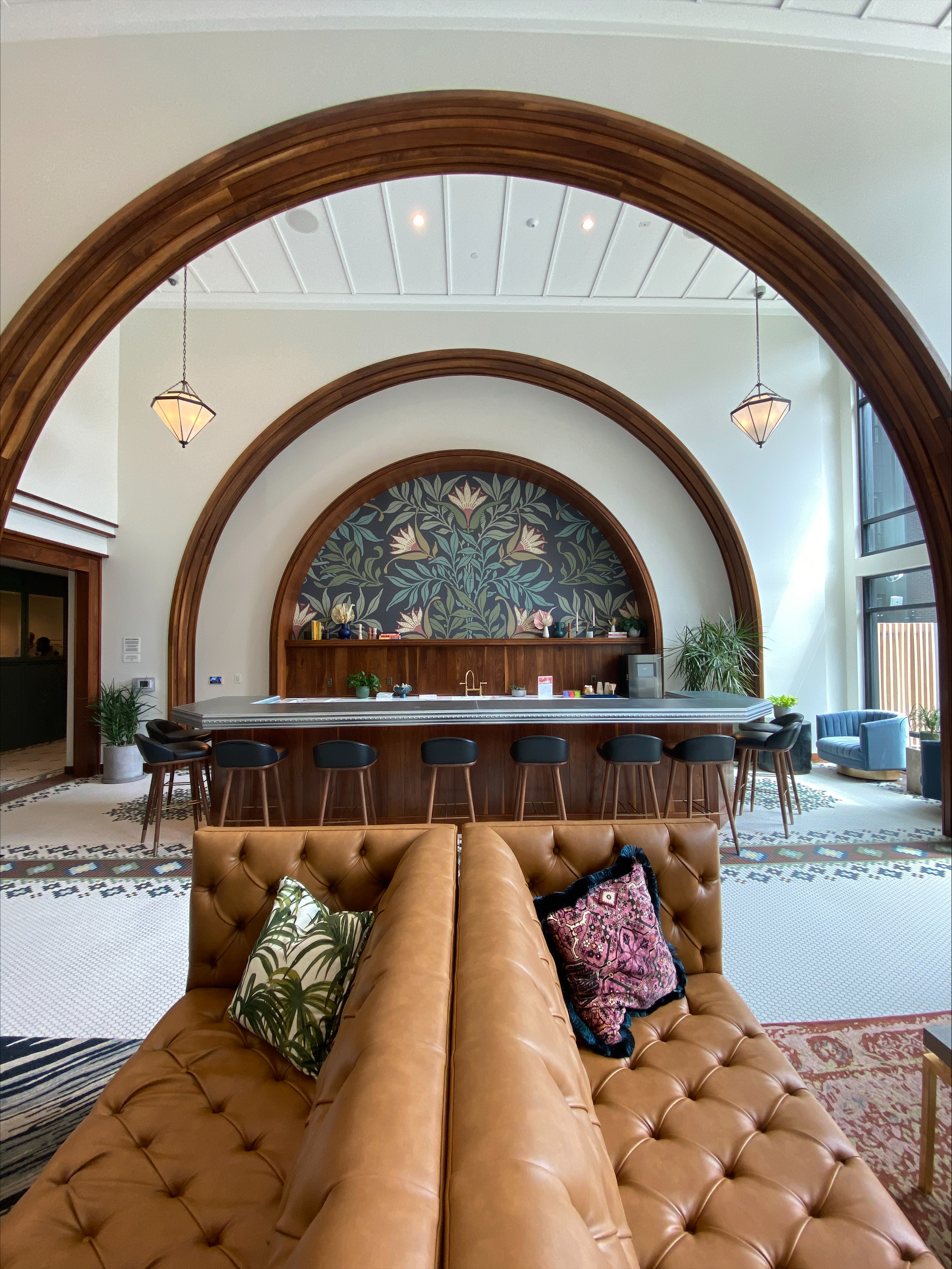
In boutique hospitality, the bar is rarely just a place to order a drink. It is a gathering node, a social stage, and increasingly, the visual centerpiece that photographers, travel writers, and guests reach for first when they want to describe a property’s character. A custom bar top boutique hotel specification is, at its core, a brand identity decision as much as a design one.
Stone and wood have long served these spaces well. But designers who want something genuinely differentiated — a surface that cannot be replicated by a competitor installing the same slab or the same veneer — are turning to handcrafted cast metals. A zinc bar top that develops a soft blue-grey patina over years of service, or a polished pewter surface that mirrors candlelight while slowly deepening in tone, cannot be sourced from a tile showroom or a stock millwork catalog. It is, by its nature, one of a kind.
This exclusivity is not incidental. It is a primary reason architects specify these surfaces at the schematic design stage, long before procurement conversations begin.
Performance Reasons Architects Specify Metal Countertops
Aesthetic distinction is compelling, but architects and specifications consultants do not sign off on materials for beauty alone. The performance profile of cast metals in hospitality applications is what sustains and deepens their specification history.
Durability Under Commercial Conditions
Boutique hotel bars operate at a pace that tests materials relentlessly. Glasses drag across surfaces. Ice lands hard. Citrus oils and cocktail acids meet the bar top constantly. Cast zinc and pewter — both living metals with decades of use in French brasseries and bistros — are well-documented performers under precisely these conditions. Bronze is a significantly harder alloy still, offering exceptional resistance to surface wear in the highest-traffic environments. Brass develops a warm, burnished quality with use rather than deteriorating.
When La Bastille fabricates a bar top for a hospitality client, we use the highest quality alloys available. We do not take shortcuts in the casting or finishing process. The result is a surface engineered — not just styled — to endure the commercial environment it will inhabit.
The Living Finish Advantage
The concept of a “living finish” is frequently misunderstood by clients encountering it for the first time. What it describes is a surface that improves, deepens, and individualizes with time rather than degrading. Zinc begins with a clean grey-blue hue and quietly richens over years of service. Pewter can be maintained to a near-mirror polish or left to develop a sophisticated muted-grey patina. Bronze moves from polished golden tones toward a rich, antiqued brown that speaks of permanence and depth.
For boutique hotel environments specifically, this is a meaningful advantage. A bar top that looks slightly better in year five than it did in year one — that carries the warmth of thousands of evenings served — is a surface that contributes to the story the property is building over time. It ages the way a well-designed building ages: gracefully, and with increasing character.
Low Maintenance in a High-Demand Setting
Hospitality operations require surfaces that can be cleaned efficiently, do not demand specialized treatments on a frequent basis, and remain visually presentable across a full service shift. Cast zinc and pewter bar tops meet this standard cleanly. Pewter in particular is low maintenance when allowed to patina naturally; for properties that prefer a brighter surface, it can be maintained with regular polishing. Neither material requires the sealing schedules associated with natural stone, nor the delicate handling that some decorative laminates demand.
Design Reasons Hospitality Designers Choose Custom Metal
Material Specificity Creates Atmosphere
Luxury hotel bar design is inseparable from atmosphere. Lighting, materiality, and proportion work together to produce the quality of experience guests respond to viscerally — often without being able to articulate exactly why a space feels the way it does. Cast metals contribute to that atmosphere in ways that designed, manufactured surfaces rarely achieve.
The warmth of a brass bar top under pendant lighting is categorically different from the appearance of brass-finish laminate under the same conditions. The depth of a hand-finished bronze surface — with its sculptural capacity and its range of finish options from polished golden bronze to rich antiqued brown — reads as genuinely precious material to a guest who understands quality interiors. These are not effects that can be approximated. They require the material itself.
Versatility Across Aesthetic Programs
One of the persistent strengths of zinc, pewter, and bronze in architectural specification is their adaptability across a wide range of design languages. Zinc’s long history in architectural applications — from roofing and ornamental details to bar surfaces and countertops — means it carries both modern and historical credibility with equal ease. A zinc bar top can be detailed to look as though it has been in place for generations, or specified with clean contemporary edge profiles that read as current and precise.
Pewter, meanwhile, offers edge detail flexibility that designers find genuinely useful. La Bastille offers an expanded selection of both traditional and modern edging profiles to suit any design program — from a tight, modern return edge on a minimalist bar to an ornate profile that suits a property drawing on classical European influences. The same material flexibility extends across brass, bronze, and copper.
Custom Fabrication Means Genuine Fit
Standard-dimension countertops do not fit boutique hotel bars. These spaces are custom-designed down to millimeter-level precision, and the bar top must follow. A bespoke bar surface fabricated to exact specifications — including radius corners, drainage slopes, service well cutouts, and client-specified edge profiles — integrates into the millwork package in a way that stock material simply cannot.
At La Bastille, every project begins with a detailed custom design process. Our in-house team of designers and skilled artisans works directly from architect and designer drawings, producing technical shop drawings for approval before fabrication begins. Nothing leaves our facility without being built precisely to specification.
The Specification Process: What Architects and Designers Should Know
Working with La Bastille as a Trade Partner
We partner with designers, architects, and hospitality groups across North America, and we understand the realities of hospitality project timelines. When you bring a boutique hotel bar project to La Bastille, you are working with a team that has built its practice around serving design professionals at a high level — with reliable timelines, refined finishes, and genuine technical support from the earliest concept stage through installation.
Our metals are sourced, designed, and fabricated entirely in the USA by our on-staff team. We do not outsource fabrication or finishing. This is not an operational detail — it is what allows us to maintain the quality standards and the consistency of outcome that hospitality projects demand.
Lead Times and Planning
Custom metalwork for hospitality projects typically carries a 12–14 week fabrication lead time from approved shop drawings. For architects and designers working within a construction schedule, this means engaging early — ideally at the design development stage rather than at permit issuance. We respond to initial inquiries within one to two business days and can provide preliminary feasibility guidance, rough material and format options, and timeline planning information quickly once we understand the scope.
Finish and Edge Profile Selection
One of the most satisfying parts of the specification process for many designers is the material and finish consultation. La Bastille offers a wide range of finish options across zinc, pewter, brass, bronze, and copper — from bright and polished to deliberately aged and antiqued. Edge profiles range from clean contemporary details to classically ornate options with historical precedent in European hospitality design.
If you are specifying a custom bar top for a boutique hotel and have not yet worked with living metal surfaces, we are glad to provide samples, reference projects, and direct consultation to support your concept development.
FAQ: Custom Metal Bar Tops in Boutique Hotels
What metals are most commonly specified for boutique hotel bars?
Zinc and pewter are among the most frequently specified for their combination of visual warmth, historical precedent in hospitality environments, and practical durability. Brass and bronze are increasingly popular for properties seeking richer, warmer tones with sculptural depth.
How does a metal bar top hold up under commercial use?
Cast zinc, pewter, brass, and bronze are all well-suited to commercial hospitality environments. They resist the daily demands of service — moisture, abrasion, heat, and cleaning products — and develop a more characterful surface over time rather than deteriorating.
Can custom metal bar tops be fabricated to non-standard dimensions?
Yes. Every La Bastille bar top is fabricated to precise client specifications, including custom dimensions, edge profiles, service cutouts, and radius details. There are no standard-size constraints.
What is the typical lead time for a custom hotel bar top?
Our standard fabrication lead time is 12–14 weeks from approved shop drawings. We recommend engaging at the design development stage to ensure the timeline aligns with your project schedule.
Does La Bastille work directly with architects and designers?
Yes. We partner directly with architects, interior designers, and hospitality groups across North America. We offer trade support including shop drawing production, material samples, and technical consultation throughout the design and fabrication process.
A Surface Worth Building Around
The boutique hotel bar is a room within a room — a space that guests return to, that photographs anchor property identity, and that staff and ownership return to nightly as the expression of what their property stands for. Specifying a handcrafted cast metal bar top for that space is not a decorative impulse. It is a considered design decision grounded in performance, longevity, material authenticity, and the kind of visual singularity that no manufactured surface can replicate.
We handcraft each project using the highest quality alloys, with no shortcuts in casting, finishing, or detailing. The result is an heirloom-quality surface built precisely to your specifications — one that will serve your client’s bar, and define it, for decades.
If you are developing a boutique hotel bar project and want to explore what a custom metal bar top could bring to your design program, we welcome the conversation. Reach out to the La Bastille team to request samples, discuss your timeline, or begin a formal project inquiry. We respond within one to two business days and look forward to supporting your vision from concept through completion.