

The Right Metal Makes the Room: Choosing a Bar Top Material for High-End Hospitality Spaces
When a guest rests their hand on your bar, they feel your concept before they consciously register it. A cold, luminous pewter surface reads differently than a warm, aged brass rail. A hammered copper counter tells a different story than a darkened bronze ledge. For hospitality designers and architects, choosing the right metal bar top is not a stylistic afterthought — it is one of the most consequential material decisions in the entire project. Get it right, and the bar becomes the soul of the room.
At La Bastille, we handcraft custom metal bar tops from five living metals: zinc, pewter, brass, bronze, and copper. Each has its own character, its own aging behavior, its own maintenance profile, and its own design language. This guide breaks down all five so you can make a confident, well-informed decision for your space.
What Are “Living Metals” and Why Does It Matter for Bars?
Living metals are alloys and pure metals that continue to evolve after fabrication. They develop patina, respond to touch, absorb the character of their environment, and — over time — become more beautiful, not less. This is precisely why living metals have been the material of choice in French brasseries, English pubs, and boutique hotel bars for centuries.
For high-volume hospitality environments, a living metal bar top actually improves with use. Minor surface marks and wear patterns integrate into the patina rather than degrading the surface. The result is a bar top that looks more considered and storied as the years pass — rather than worn out.
This stands in sharp contrast to lacquered or painted finishes, which chip, peel, and lose integrity under heavy use. Cast metals, by contrast, have no coating to fail.
Zinc Bar Tops: Timeless, Versatile, and Unmistakably French
Best for: Bistros, brasseries, neighborhood restaurants, cocktail bars, transitional and French-inspired interiors
Zinc is the metal La Bastille is perhaps best known for, and for good reason. It has one of the longest track records of any architectural material — used historically in roofing, ornamental downspouts, and tile work across Europe. In the world of bar tops, zinc is legendary: the famous Parisian bar counters that gave French cafés the nickname “le zinc” are the direct ancestor of what we handcraft today.
Appearance and Patina
Zinc is grey in color with a distinctive blue-grey undertone that no other metal replicates. Fresh zinc has a clean, industrial elegance. Over time, it develops a warm, muted patina that feels genuinely antique — lived-in and layered with character. We can also hand-finish zinc to look already aged, so your bar top arrives looking as though it has anchored the room for decades.
Performance in Hospitality Settings
Zinc is one of the most forgiving bar top metals in practice. It is softer than bronze, which means it shows the history of use — but in a way that enhances rather than damages. Acids (citrus, spirits) will etch zinc slightly over time, contributing to the patina. This is not a flaw; it is the nature of the material, and most hospitality designers consider it a virtue.
Design Range
Few metals span as wide a design register as zinc. It suits highly ornate, architectural detailing as naturally as it suits sleek, minimalist contemporary forms. Whether your bar concept calls for intricate edge profiles and carved apron details or a clean, seamless modern surface, zinc delivers.
Pewter Bar Tops: The Classic of the French Bistro, Rediscovered
Best for: Upscale bistros, brasseries, wine bars, heritage-concept restaurants, sophisticated hotel bars
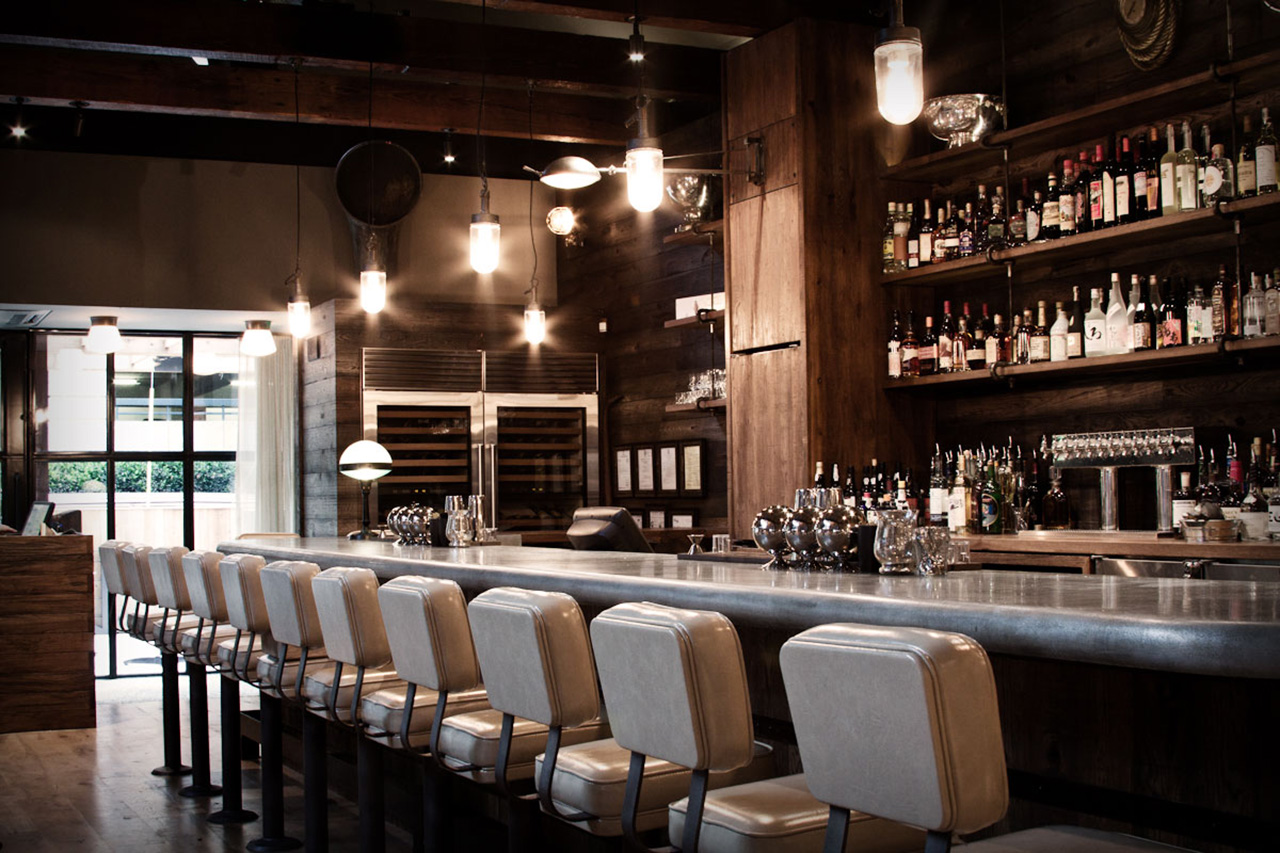
Here is a piece of design history worth knowing: the iconic bar surfaces that define the great Parisian brasseries — the ones that inspired generations of hospitality designers — are not, technically, zinc. They are pewter. The confusion is understandable; the French call them “le zinc,” but the actual material has long been a pewter alloy. La Bastille is one of the few American fabricators to offer authentic cast pewter bar tops made to the same traditional standard.
Appearance and Patina
Polished pewter has a vibrant, silvery luminosity that is warmer than stainless steel and more refined than aluminum. Left to develop naturally, pewter patinas to a luxurious muted grey or charcoal — sophisticated, soft, and quietly dramatic. Alternatively, pewter can be maintained to a near-mirror polish with regular care. Both approaches are entirely valid, and the choice often comes down to how much engagement the client wants with the surface over time.
Performance in Hospitality Settings
Pewter is a malleable alloy composed primarily of tin, which makes it somewhat softer than zinc in practice. It is well-suited to bars where the visual and tactile experience is paramount. Like zinc, it is a low-maintenance material when allowed to patina naturally.
Design Range
We offer pewter bar tops with an expanded selection of both traditional French profiles and modern edge treatments. This flexibility makes pewter one of the most versatile options in the collection for designers working across historical and contemporary aesthetics.
Brass Bar Tops: Warmth, Glamour, and Enduring Luxury
Best for: Upscale cocktail bars, hotel lobbies and lounges, steakhouses, Art Deco-inspired interiors, warm and jewel-toned design concepts
Brass carries an unmistakable sense of warmth and glamour. It reads as inherently luxurious without being cold or precious. In recent years, brass has experienced a significant resurgence in high-end hospitality design — appearing on bar fronts, rail details, and full counter surfaces in some of the most celebrated restaurant and hotel interiors in North America.
Appearance and Patina
New brass has a rich, golden warmth. Over time, it oxidizes toward deeper amber and honey tones, eventually developing a darker, more complex patina depending on the environment and care. Brass can also be maintained at various stages of its patina with periodic polishing — giving designers and operators a degree of control over the surface’s evolution.
Performance in Hospitality Settings
Brass is harder than pewter and zinc, making it more resistant to surface scratching in active bar environments. It responds well to acids and moisture, though — like all living metals — it will show these interactions as patina rather than damage. For bars with heavy cocktail service, this is generally a feature, not a liability.
Design Range
Brass pairs beautifully with dark woods, marble, leather, and velvet — the hallmarks of luxury hospitality interiors. It works across Art Deco revival, mid-century modern, contemporary glam, and transitional concepts.
Bronze Bar Tops: Sculptural, Durable, and Architecturally Serious
Best for: High-volume fine dining restaurants, boutique hotel bars, concept-driven interiors, designers seeking maximum material longevity
Bronze is the hardest and most architecturally substantial of the metals we work with at La Bastille. Traditionally the material of sculpture and monumental architecture, bronze is increasingly appearing in interior surfaces — particularly bar tops and countertops — as designers seek materials that combine visual weight with genuine durability.
Appearance and Patina
Bronze offers the widest range of finish options of any metal we fabricate. A freshly finished bronze surface can range from a polished, warm golden tone to a rich, antiqued brown — and the range of possibilities in between is remarkable. Over time, bronze develops a deep, complex patina that adds sculptural depth and character to the surface.
Performance in Hospitality Settings
Because bronze is significantly harder than zinc or pewter, it is the most resilient choice for high-volume environments where the bar top takes considerable daily wear. It resists scratching more effectively than softer alloys and ages with particular dignity.
Design Range
Bronze brings an unmistakable architectural seriousness to a space. It is the right choice when the bar is meant to read as a permanent, monumental feature of the room — not decorative, but structural in its presence.
Copper Bar Tops: Rich, Warm, and Distinctively Alive
Best for: Craft cocktail bars, brewery taprooms, restaurant concepts with warm and rustic-luxe aesthetics, transitional interiors
Copper is the most visually dynamic of the living metals. No other material shifts so dramatically through its life — from the bright, rosy warmth of new copper to the deep reddish-brown of aged copper to the verdigris tones that develop with long-term exposure. In a hospitality environment, copper tells a story that is immediately readable and deeply appealing.
Appearance and Patina
New copper is warm and luminous with a rosy, pinkish-gold tone. Over time — and particularly in bar environments with regular moisture and spirit exposure — copper develops rich reddish-brown and eventually darker, more complex tones. The patina process is perhaps the most dramatic of all the living metals, which makes copper particularly compelling for concepts that want the bar to feel like it is genuinely evolving and aging with the space.
Performance in Hospitality Settings
Copper is a naturally antimicrobial surface, which has become an increasingly noted property in hospitality design. It is softer than bronze and brass, which means it will show surface history readily — but, again, in living metal terms, this is part of its character.
Design Range
Copper works beautifully in warm, richly layered interiors: exposed brick, reclaimed wood, warm lighting, and heritage-inspired design concepts. It also appears in more refined contemporary settings where designers use it as a deliberate counterpoint to cooler, more minimal materials.
Side-by-Side Comparison: Metal Bar Tops at a Glance
| Metal | Hardness | Patina Speed | Color Range | Best Setting |
|---|---|---|---|---|
| Zinc | Medium-soft | Gradual | Blue-grey to warm grey | Bistros, modern, transitional |
| Pewter | Soft | Gradual | Silver to charcoal | French-inspired, wine bars |
| Brass | Medium | Moderate | Gold to deep amber | Cocktail bars, hotel lounges |
| Bronze | Hard | Slow | Golden to antiqued brown | Fine dining, high-volume |
| Copper | Medium-soft | Fast | Rosy gold to deep reddish-brown | Craft bars, rustic-luxe |
Frequently Asked Questions
How long does a custom metal bar top take to fabricate?
At La Bastille, our typical lead time for custom metal bar tops is 12–14 weeks from approved design. We provide technical shop drawings and a full design packet before fabrication begins, so every specification is confirmed before we go to the bench.
Can I specify a custom edge profile for my bar top?
Yes. All of our bar tops are fully custom. We offer an extensive range of edge profiles — from traditional French bistro details to clean, contemporary lines — and our in-house design team will work with you to match the profile to your concept.
Which metal is easiest to maintain in a high-volume bar?
Bronze is the most durable option for high-volume environments due to its hardness. Zinc and pewter are excellent choices when natural patina development is acceptable or desirable. All living metals require minimal active maintenance compared to coated surfaces.
Do you work directly with designers and architects?
Yes — and we genuinely prefer it. We partner with designers, architects, and hospitality groups across North America. Your project will be supported by an in-house designer and a dedicated team from initial inquiry through installation.
Are your metals sourced and fabricated in the USA?
Every piece we produce is sourced, designed, and fabricated in the USA by our on-staff team of designers and skilled artisans.
Choosing Your Metal: A Final Word
There is no universally correct answer to the question of which metal belongs on your bar. The right choice depends on your concept, your aesthetic, your volume of service, and how you want the space to feel ten years from now — not just on opening night.
What we can tell you with confidence is this: a handcrafted living metal bar top from La Bastille will not look tired in a decade. It will look considered. It will look like it belongs.
We invite you to bring us your concept — in whatever form it exists right now, whether it’s a full set of drawings or a mood board and a vision. Our team responds within one to two business days and will engage with your project as a genuine creative and technical partner.
Reach out to the La Bastille team at labastille.com to begin the conversation. We look forward to building something lasting with you.