

Zinc Countertops and Bar Tops: How to Care for Them the Right Way
A zinc countertop or bar top is not a surface you simply install and forget. It is a living material — one that breathes, responds, and evolves alongside the space it inhabits. With proper daily care and a thoughtful approach to patina, your zinc surface will deepen in character over the years, developing the kind of warmth and story that no manufactured finish can replicate. Whether you are maintaining a hand-cast zinc bar top in a high-end restaurant or a custom zinc kitchen countertop in a luxury residence, this guide covers everything you need to know to keep it looking its best — and to let it age beautifully on its own terms.
Understanding Zinc as a Living Metal
Before diving into maintenance routines, it helps to understand what zinc actually is and why it behaves the way it does.
Zinc is a reactive metal. Exposed to air, moisture, and everyday use, it undergoes a natural oxidation process that gradually shifts its surface from a clean blue-grey to a richer, more complex tone. This is not a flaw — it is the hallmark of the material. At La Bastille, we often describe zinc as a living finish because no two surfaces age in exactly the same way. The patina that forms on a zinc bar top in a busy Parisian-style brasserie will look entirely different from one installed in a quiet residential kitchen, and both will be beautiful.
This natural evolution is part of what makes zinc so compelling in high-end design. Understanding and working with that process — rather than against it — is the foundation of good zinc countertop maintenance.
Daily Care: The Basics of Zinc Countertop Maintenance
Cleaning Zinc Surfaces
For everyday cleaning, simplicity is your greatest tool. A soft, damp cloth is all you need for routine wipe-downs. For slightly more stubborn residue, a mild dish soap diluted in warm water works well. Always follow with a clean, damp rinse cloth and dry the surface thoroughly — standing water accelerates patina in uneven, unpredictable ways that can look blotchy rather than beautifully aged.
Daily care essentials:
- Wipe down with a soft, damp cloth after each use
- Use a small amount of mild dish soap for deeper cleaning
- Rinse away all soap residue completely
- Dry the surface immediately with a clean, soft cloth
- Never leave pooled water or wet items sitting directly on zinc
Conditioning and Protecting the Surface
Zinc benefits from periodic conditioning with a thin application of food-safe beeswax or a dedicated zinc countertop wax. This adds a subtle protective layer that slows uneven oxidation, repels moisture, and gives the surface a soft, refined luster without masking the material's natural depth.
Apply wax with a soft cloth in small circular motions, allow it to haze slightly, then buff gently to a low sheen. For residential kitchen countertops, doing this once a month is generally sufficient. For high-traffic commercial bar tops, a weekly application during slower service periods keeps the surface protected and consistent.
Patina Management: Letting Zinc Age Gracefully
What Is Zinc Patina and Why Does It Form?
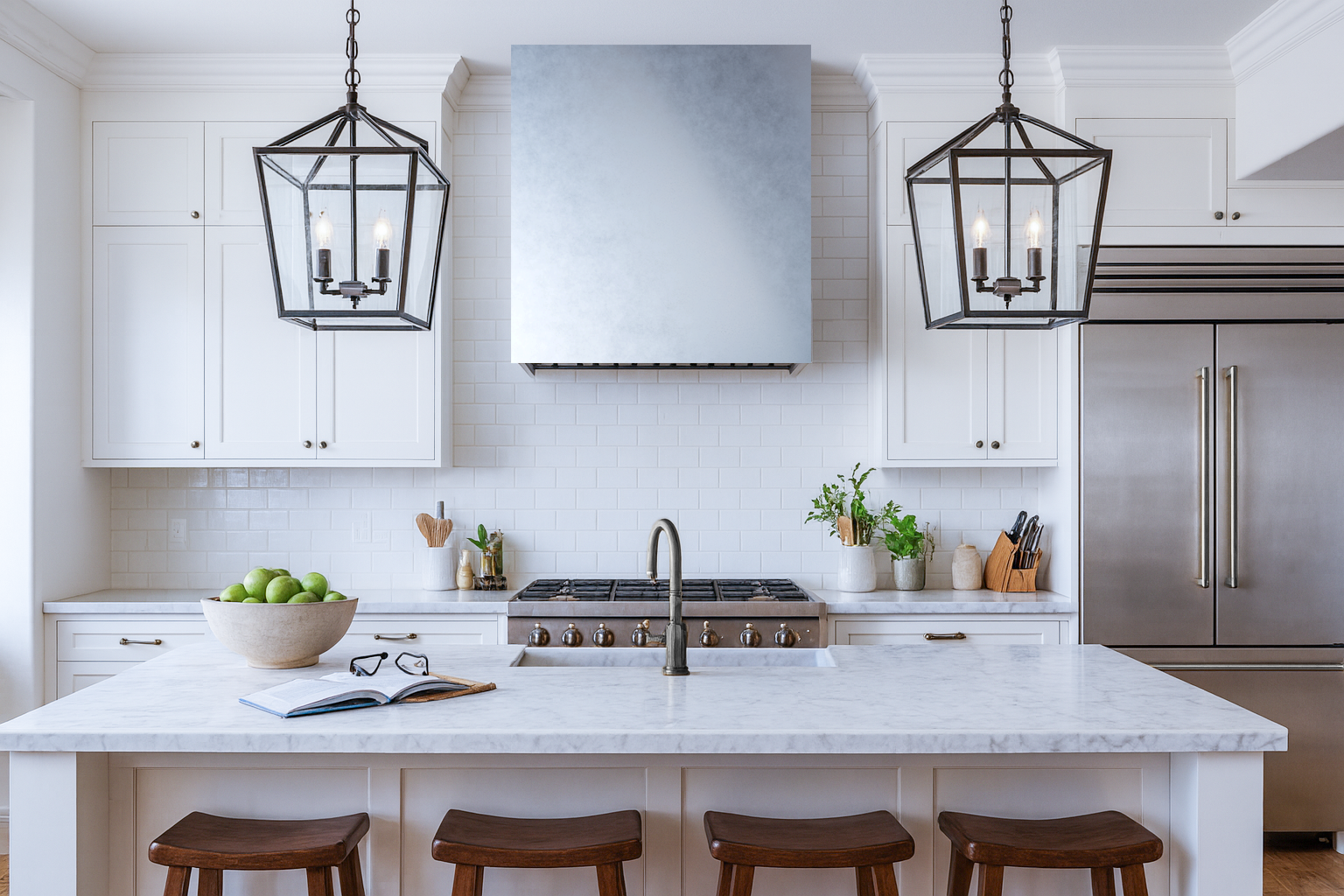
Patina is the natural oxide layer that forms on zinc over time. On freshly hand-cast zinc, the surface begins as a bright, clean blue-grey. With exposure to oxygen, moisture, touch, and everyday use, that layer shifts gradually toward a warmer, more muted grey — sometimes approaching a soft charcoal, sometimes developing subtle silver undertones depending on the environment and use patterns.
This is one of the most celebrated qualities of zinc in architectural and interior design. The patina process is irreversible in the sense that zinc does not simply return to its original bright finish without intervention — but it is entirely manageable, and in most cases, entirely desirable.
Accelerating Patina for a More Antique Appearance
Some clients — particularly those commissioning a zinc bar top for a restaurant or bistro setting — want that richly aged, time-worn appearance from day one. At La Bastille, we are able to hand-finish zinc surfaces to look as though they have been in place for decades, arriving already warm with character.
If you wish to encourage further patination at home or on-site, a light application of a diluted acidic solution such as white vinegar can be used sparingly and selectively. Apply with a soft cloth, allow to sit briefly, and wipe clean. Repeat as needed until the desired depth of tone is achieved. Always test in an inconspicuous area first, and always follow with a clean water wipe and a protective wax application afterward.
For dramatic, controlled results, we strongly recommend working with our team directly rather than attempting aggressive patination on your own. Zinc is forgiving, but it rewards a careful hand.
Slowing or Preventing Patina for a Cleaner Look
If you prefer to maintain zinc closer to its original blue-grey tone, consistent waxing is your primary tool. A regular schedule of cleaning, thorough drying, and wax conditioning will slow the oxidation process significantly. It will not stop it entirely — zinc is a living metal, and some change over time is natural and expected — but it will keep the surface looking crisp, clean, and even.
Keeping the surface dry and reducing prolonged contact with acidic foods and liquids also helps preserve a newer appearance for longer.
What to Avoid: Common Mistakes That Damage Zinc
Zinc is durable and resilient in daily use, but certain substances and habits can cause damage that goes beyond character-building patina.
Avoid These on Zinc Countertops and Bar Tops
Harsh or abrasive cleaners: Steel wool, scouring pads, or abrasive powder cleansers will scratch and permanently mar the surface. Once deep scratches are introduced, the patina that forms within them can look inconsistent and unintended.
Strong acids: Lemon juice, vinegar, tomato sauce, citrus-based cleaners, and acidic cocktail mixers left in contact with zinc for extended periods will etch the surface. Brief contact is generally fine and even part of the natural use pattern, but prolonged exposure — especially overnight — can cause pitting or uneven discoloration.
Alkaline cleaners: Bleach, ammonia-based sprays, and commercial bathroom-style cleaners are far too aggressive for zinc. They can strip any protective wax layer instantly and cause irregular surface reactions.
Standing water: We cannot emphasize this enough. Pooled water left on a zinc surface — particularly near seams, edges, or hardware — can cause white mineral deposits, uneven darkening, and eventual pitting. Always dry your zinc countertop promptly and thoroughly.
Heavy impact from sharp objects: Zinc is softer than granite or stainless steel. Repeated impact from knives or heavy tools can leave marks. Use cutting boards consistently. This is not just good advice for zinc — it is good practice for any handcrafted surface worth protecting.
How Zinc Evolves: Embracing the Character of a Living Surface
One of the most important shifts in mindset for a new zinc countertop or bar top owner is learning to see changes not as damage, but as development.
A zinc surface that has been thoughtfully maintained and well-used for five or ten years tells a story. It carries the warmth of a material that has been part of a life — of meals prepared, drinks poured, conversations held. This is precisely the quality that draws discerning designers, architects, and hospitality groups to zinc in the first place.
At La Bastille, our hand-cast zinc countertops and bar tops are designed with this evolution in mind. The alloys we source are of the highest quality available, chosen specifically for their ability to patina consistently and beautifully over time. We do not take shortcuts in the casting or finishing process, and that foundational quality is what allows the surface to age with grace rather than simply wearing out.
The zinc surfaces we fabricate in our US-based workshop are built to be heirloom-quality pieces — not just in terms of durability, but in terms of the character they carry forward across years of use.
Repairing Minor Surface Issues
Addressing Light Scratches
Light surface scratches on zinc — the kind left by keys, cookware, or everyday handling — will often blend naturally into the developing patina over time. If you prefer to address them more proactively, a very fine-grit scotch-brite pad (gray, not green) used in gentle, circular motions can help blend the scratch into the surrounding surface. Follow immediately with a protective wax application.
Removing Water Spots and Mineral Deposits
White water spots or calcium deposits can be addressed with a small amount of white vinegar applied briefly with a soft cloth, followed immediately by a clean water rinse and a thorough dry. Do not allow the vinegar to sit for more than a minute or two.
When to Contact a Professional
Deep gouges, significant etching, or large areas of uneven patination that you find visually disruptive may warrant professional refinishing. Our team at La Bastille can advise on the best course of action. Reach out to us directly — we are always glad to help clients understand what is possible and what the most considered approach might be for their specific surface.
FAQ: Zinc Countertop Care
Is zinc countertop maintenance difficult?
Not at all. Daily care requires nothing more than a soft damp cloth and prompt drying. Monthly waxing adds meaningful protection and takes only a few minutes.
Will zinc countertops stain permanently?
Zinc will develop patina and use patterns over time, which most owners come to love. True staining from prolonged contact with strong acids or standing water can be addressed with light abrasion and re-waxing, though some marks may become part of the surface's permanent character.
Can I use zinc countertops in a busy restaurant or bar?
Absolutely. Zinc has been used in French bistros and high-volume bars for generations. With a consistent waxing routine and staff trained to wipe down and dry the surface regularly, zinc bar tops perform exceptionally well in commercial settings.
How often should I wax a zinc countertop?
For residential use, once a month is a good baseline. For commercial bar tops or high-traffic kitchen countertops, weekly waxing during slower periods is recommended.
Does zinc countertop maintenance differ from copper or brass countertop care?
The general principles are similar — gentle cleaners, prompt drying, regular waxing, and avoidance of harsh chemicals — but each metal has its own patina character and specific sensitivities. We are happy to provide care guidance tailored to whichever living metal surface you choose.
A Surface That Rewards Attention
The care you give a zinc countertop or bar top is not a burden — it is a relationship. The surfaces we handcraft at La Bastille are designed to reward thoughtful ownership. They are built from the finest alloys available, hand-finished by skilled artisans, and fabricated entirely in the USA with the kind of precision and pride that mass production simply cannot replicate.
If you are considering a custom zinc countertop, bar top, or range hood — or if you have questions about caring for a surface you already own — we would love to hear from you. Our in-house team of designers and artisans is available to walk you through every consideration, from material selection to long-term maintenance. Reach out at labastille.com and let us help you get the most from your living metal surface.