

Every custom metal bar top that leaves our studio begins not on a fabrication floor, but in a conversation. A designer sketches an idea. A hospitality group describes the atmosphere they are building. An architect sends a set of drawings with a vision that needs a material to match it. What happens between that first exchange and the moment a cast zinc or brass bar top is installed and gleaming under the light of a finished space is a process that is precise, handcrafted, and genuinely one of a kind. Here is an inside look at how metal bar tops fabrication actually works at La Bastille — from initial concept through casting, finishing, crating, and delivery.
Why the Material Choice Comes First
Before any fabrication begins, the most consequential decision is already on the table: which metal?
This is not a stylistic afterthought. The material you select shapes every downstream decision — the fabrication method, the edge profile options, the finishing process, the expected patina, and the long-term care requirements. Our team of in-house designers takes this conversation seriously because the right metal is not always the most obvious one.
Cast Zinc Bar Tops
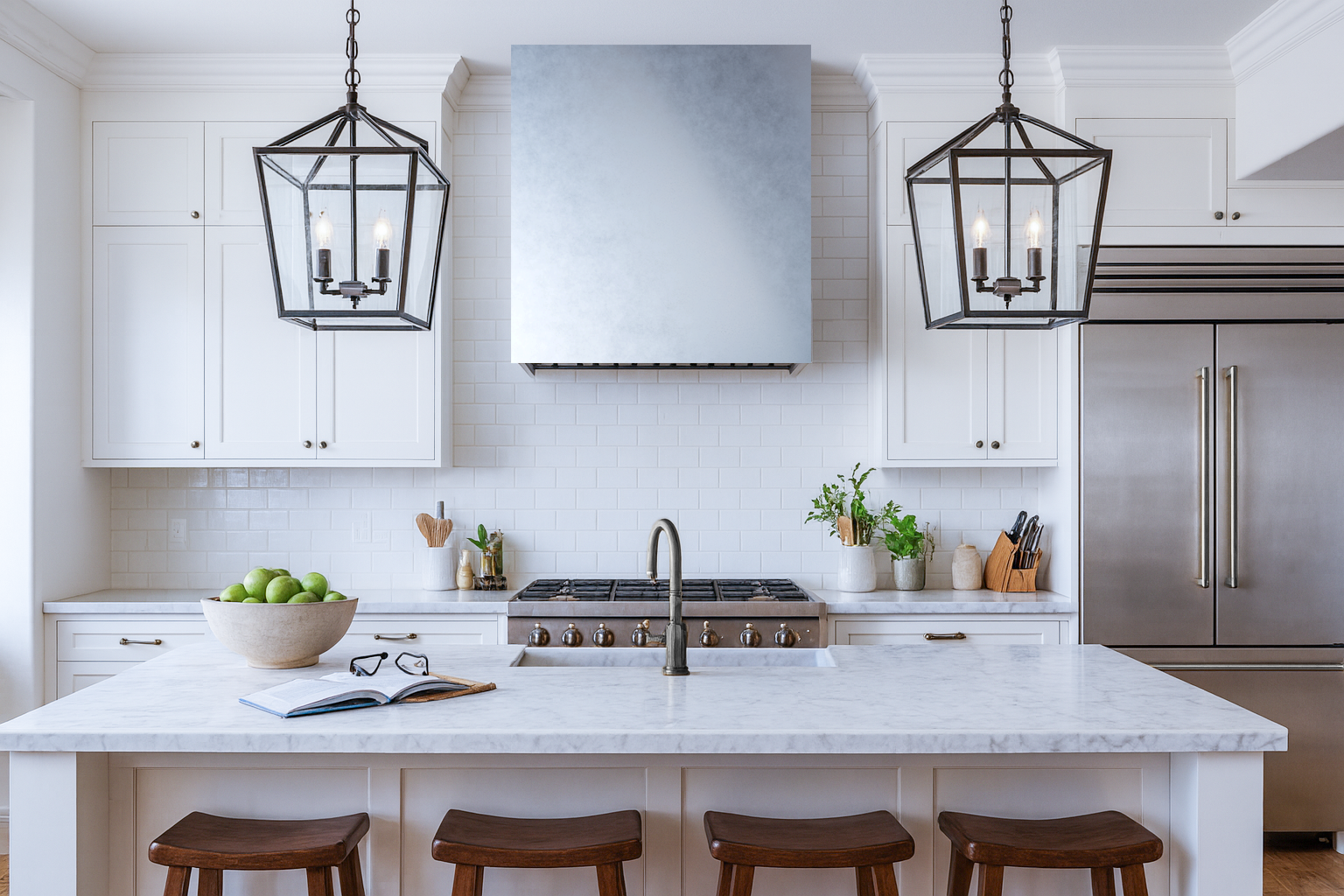
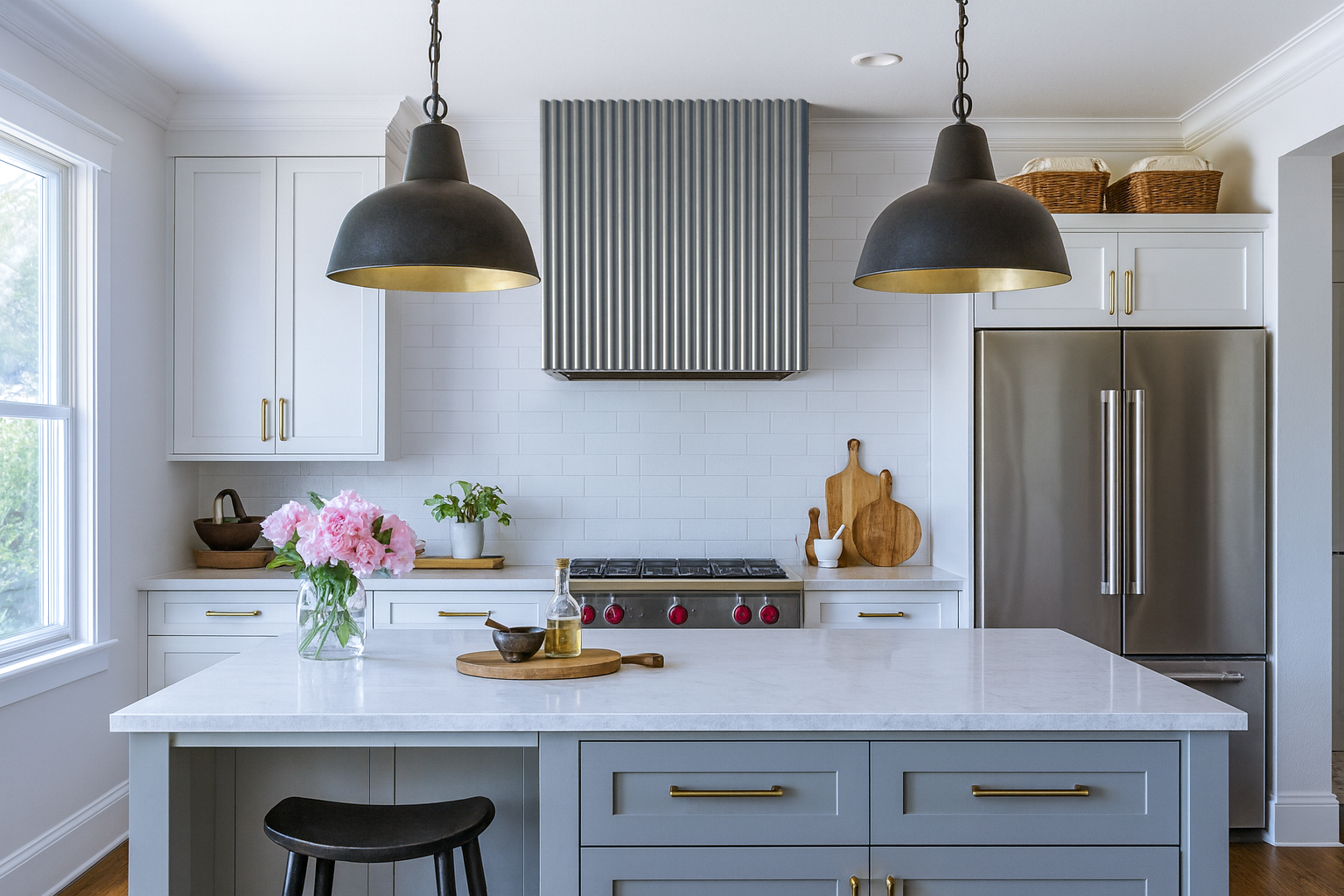
Cast zinc is our signature material, and it has earned that status. Zinc has been used in architectural applications for centuries — from Parisian rooftops to ornamental architectural details — and its versatility translates beautifully to bar top surfaces. Our cast zinc bar tops can be fabricated in everything from sleek, contemporary profiles to highly ornate, classically detailed designs. The color is a distinctive blue-grey, and with use, zinc develops a rich, layered patina that only deepens the character of the surface over time. For hospitality spaces that want a surface that looks as though it has always been there, cast zinc is often the answer.
Pewter Bar Tops
Pewter carries centuries of provenance in European hospitality. The famous bars of Paris — referred to as le zinc — are, in fact, predominantly pewter surfaces. This malleable alloy, composed mostly of tin, offers a vibrant silvery finish when polished and a luxurious muted charcoal patina when allowed to age naturally. Pewter bar tops are low maintenance and exceptionally durable in commercial settings. For clients who want that classical French brasserie feel translated into a modern American context, pewter is the material of choice.
Brass and Bronze Bar Tops
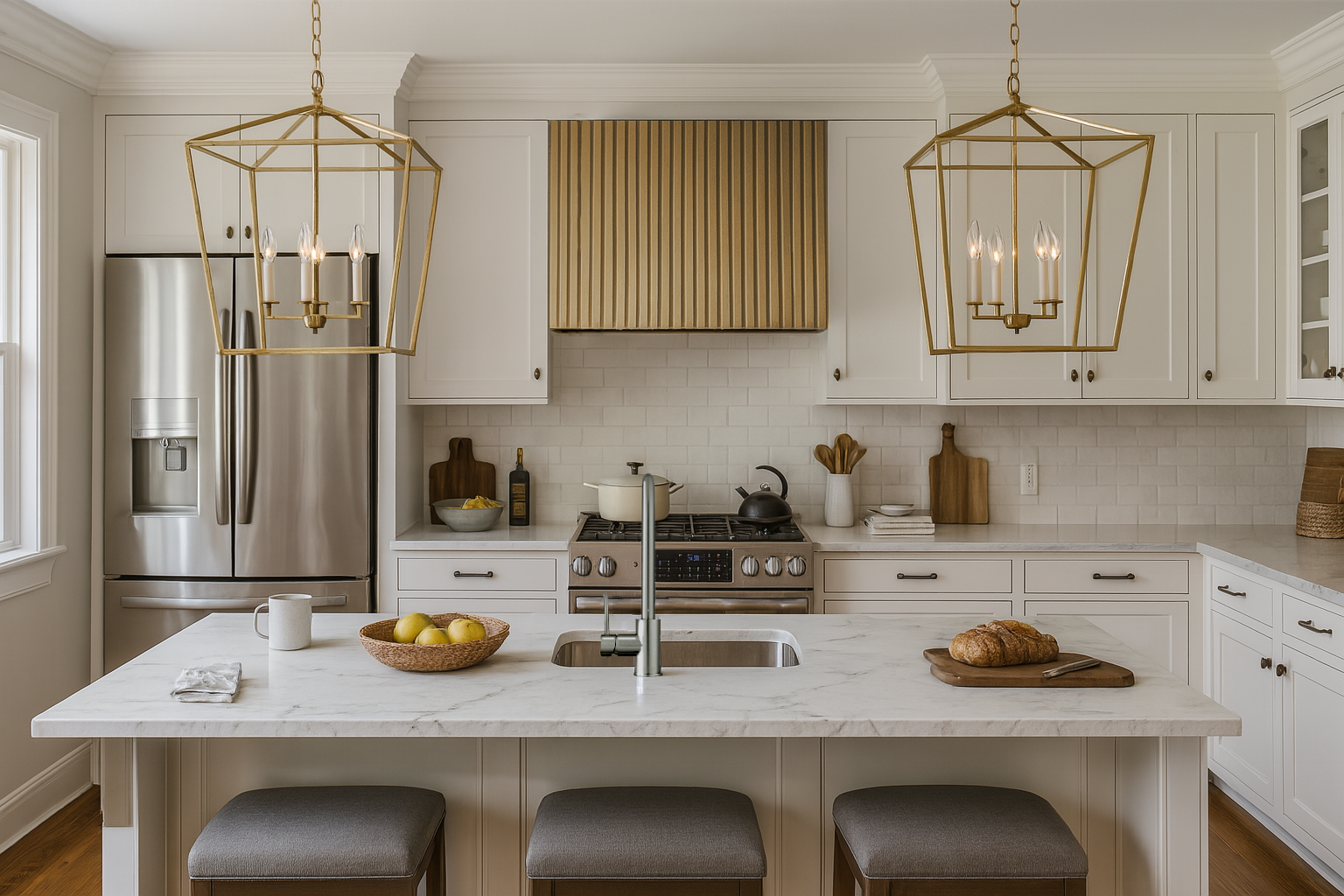
Brass brings warmth and a kind of visual authority to a bar surface that few materials can match. It pairs well with dark millwork, leather seating, and moody hospitality lighting. Bronze, a significantly harder alloy, offers a range from polished golden tones to rich antiqued browns. Both metals develop their own use patterns and patinas over time, which add to their character rather than diminishing it.
Copper Bar Tops
Copper is perhaps the most immediately recognizable of our living metals. The reddish warmth of a polished copper bar top commands attention, and as it ages, it transitions through tones of amber, sienna, and eventually a distinguished verdigris. Copper is also naturally antimicrobial, which is an increasingly valued quality in high-traffic commercial environments.
The Design Consultation: Precision Before Production
Once the material direction is established, our design consultation process moves into technical territory quickly. We work directly with designers, architects, and hospitality groups across North America, and our in-house team is experienced in translating conceptual briefs into fabrication-ready specifications.
This phase involves:
- Reviewing site drawings and architectural plans to understand the exact dimensions, substrate conditions, and any structural constraints
- Discussing edge profiles, which range from simple beveled edges to fully custom ornate profiles that we design and hand-finish to match the overall aesthetic
- Establishing finish direction — whether the client wants a polished surface, a brushed finish, a hand-applied patina, or a deliberately aged appearance
- Confirming functional requirements, including whether the bar top will need integrated drip edges, rail grooves, or any other custom functional details
Within one to two business days of an initial inquiry, our team provides a formal response and assigns a dedicated sales coordinator and in-house designer to the project. From that point forward, clients have named contacts who understand their project and are accountable to its timeline.
Technical Shop Drawings: The Blueprint for Every Cut and Cast
One of the clearest distinctions between custom metalwork done well and custom metalwork done carelessly is what happens at the drawing stage. We produce detailed technical shop drawings for every project before a single material is cut or cast. These drawings reflect the exact dimensions, edge profiles, finish specifications, and installation requirements for the specific installation environment.
Shop drawings serve two critical functions. First, they give the client and their design team a precise document to review and approve before fabrication begins. Second, they give our artisans on the fabrication floor an unambiguous roadmap. There is no guessing, no approximation, and no room for interpretation errors when the drawings are thorough.
Clients typically receive shop drawings within the early weeks of a confirmed project. The approval process is collaborative — if anything requires adjustment, we revise and resubmit. Fabrication does not begin until the client has signed off.
Casting and Fabrication: Where the Work Becomes Real
This is the phase that most people imagine when they think about custom metalwork, and it is where the craftsmanship of La Bastille is most visible.
Hand-Casting the Metal
For cast zinc and pewter bar tops, the process begins with hand-casting. Our alloys — sourced for quality and longevity — are melted and cast in-house by skilled artisans who have developed an intimate understanding of how each metal behaves. The casting process is not automated. It requires attention, experience, and a trained eye for the subtle variations that can affect the final surface quality.
We take no shortcuts here. The quality of the alloy matters. The quality of the cast matters. Every section of a bar top that leaves our studio has been cast with intention and reviewed at multiple points in the process.
Shaping, Fitting, and Assembly
Once cast, sections are shaped and fitted to the specifications in the approved shop drawings. For longer bar tops, this involves carefully joining sections in a way that is both structurally sound and visually seamless. The goal is a surface that reads as continuous and intentional, regardless of its actual length.
Edge profiles are applied during this phase. Whether a client has specified a simple eased edge or a fully custom ornate profile, the edges are hand-formed and refined by our artisans. This is not a stamped or machine-duplicated process. Each edge is a piece of handcraft work.
Finishing: The Stage That Defines the Surface
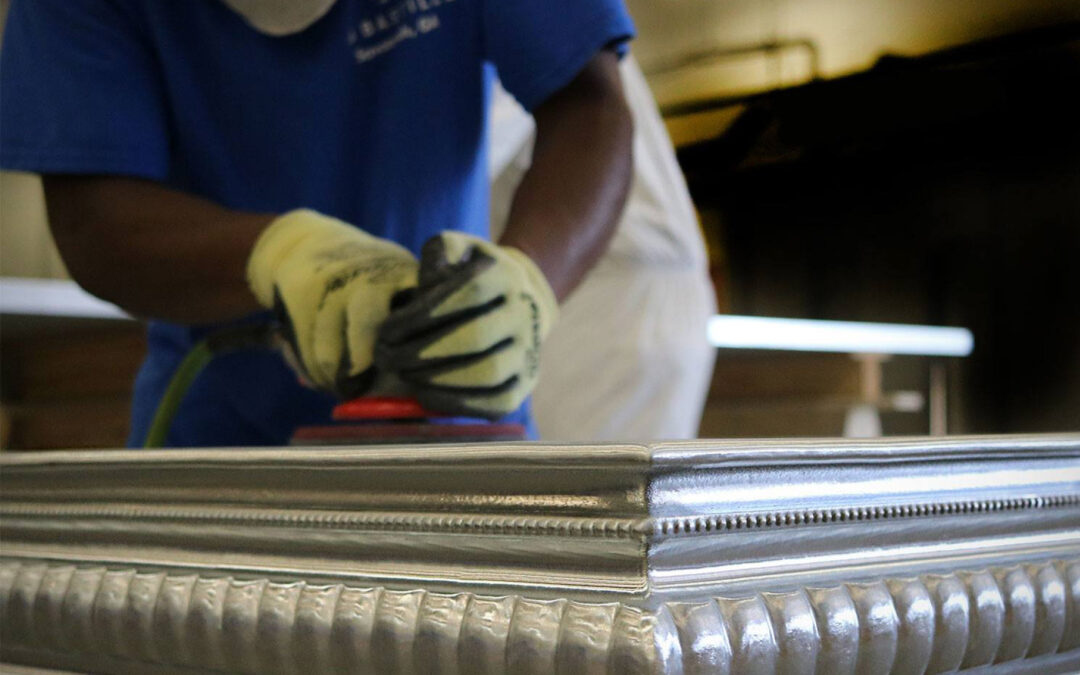
If casting is the structure of the work, finishing is its voice. The finishing process is where a bar top acquires its character — its texture, its depth, its relationship to light.
Depending on the specified finish, this phase can involve:
- Hand-polishing to achieve a reflective, mirror-like surface on pewter or brass
- Brushing to create a linear, directional texture
- Patina application, which involves controlled chemical processes and hand-work to achieve a consistent aged appearance
- Antiquing treatments, which build depth and variation into the surface in a way that suggests long history rather than fresh fabrication
For clients who have requested a surface that looks as though it has been in place for decades, this phase requires the most skill and the most time. Replicating natural aging convincingly — without crossing into artificiality — is a refined craft. Our artisans bring both technical and artistic expertise to every finish decision.
Quality Review and Crating
Before any bar top is packed for shipping, it undergoes a thorough quality review. Dimensions are confirmed against the shop drawings. The finish is inspected under controlled lighting conditions. Edges are checked for consistency. Any variance from the approved specification is addressed before the piece leaves our hands.
Crating custom metal bar tops for transit requires the same attention to detail as the fabrication itself. These are precision surfaces that cannot be damaged in shipping without significant consequences. Our crating process is engineered to protect the finish, the edges, and the structural integrity of each piece through every stage of transit.
Lead Times: What to Plan For
Realistic project planning requires honest lead time communication. For most custom metal bar tops, clients should plan for a lead time of approximately 12 to 14 weeks from design approval to delivery, depending on project complexity, the number of pieces involved, and current production scheduling. This timeline encompasses shop drawing production and approval, fabrication, finishing, quality review, and shipping.
We communicate lead times clearly at the outset of every project and provide milestone updates throughout the fabrication process. Our clients — designers, architects, and hospitality groups working against renovation and opening schedules — deserve that transparency.
Frequently Asked Questions
How do I request a quote for a custom metal bar top?
Contact our team directly by phone, email, or by scheduling a consultation through our website. We respond to all new project inquiries within one to two business days and assign a dedicated designer and sales coordinator to guide your project from that point forward.
What is the minimum information needed to begin the design process?
At minimum, we need approximate dimensions, a general sense of the metal and finish direction, and any existing site drawings or architectural plans. From there, our design team can ask the right questions to move toward technical shop drawings.
Can you match an existing finish or patina in a hospitality space?
In many cases, yes. Our artisans are experienced in hand-applying patinas and finishes that coordinate with existing metalwork or design palettes. This is part of the consultation conversation we have early in each project.
Are your metals sourced and fabricated in the United States?
Yes. All La Bastille metalwork is sourced, designed, and fabricated in the USA by our dedicated on-staff team of designers and skilled artisans.
Do cast zinc and pewter bar tops require special maintenance in a commercial setting?
Both materials are well-suited to commercial hospitality environments. Zinc and pewter are living finishes that will naturally develop patina with use — which is part of their character and appeal. Pewter can also be maintained to a higher polish with regular attention if the client prefers that appearance. We provide care guidance specific to each material and finish with every project.
A Surface Built to Last
What distinguishes a La Bastille bar top from a mass-produced alternative is not simply the material or the finish. It is the accumulated care at every stage of the process — the precision of the shop drawings, the skill of the casting, the hand-work of the finish, the rigor of the quality review. These are heirloom-quality surfaces built to perform in demanding commercial environments while only growing more beautiful with time.
If you are in the early stages of planning a bar, restaurant, or boutique hotel project and are considering custom metal surfaces, we would welcome the conversation. Our team is here to bring both technical expertise and genuine craft to what you are building.