
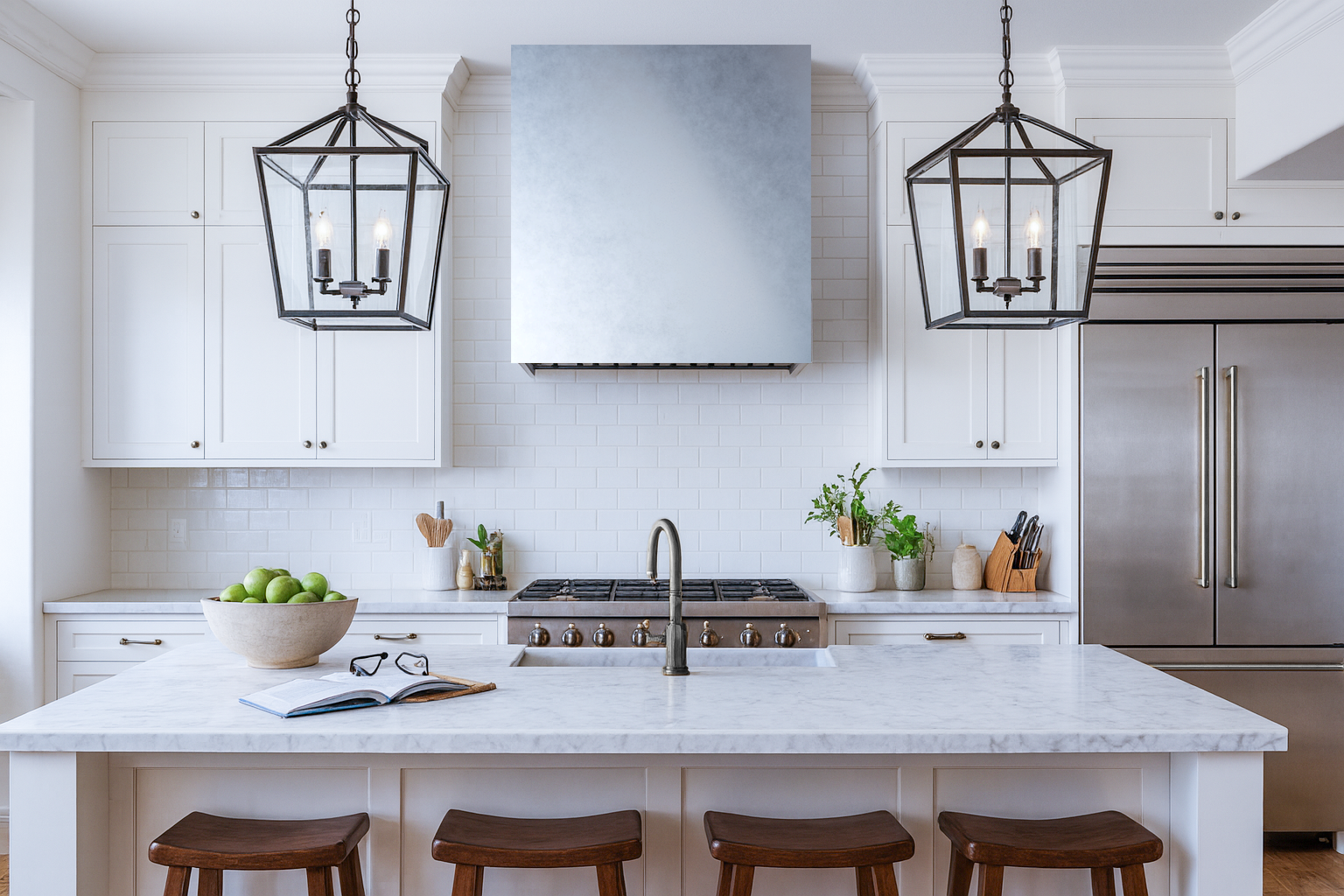
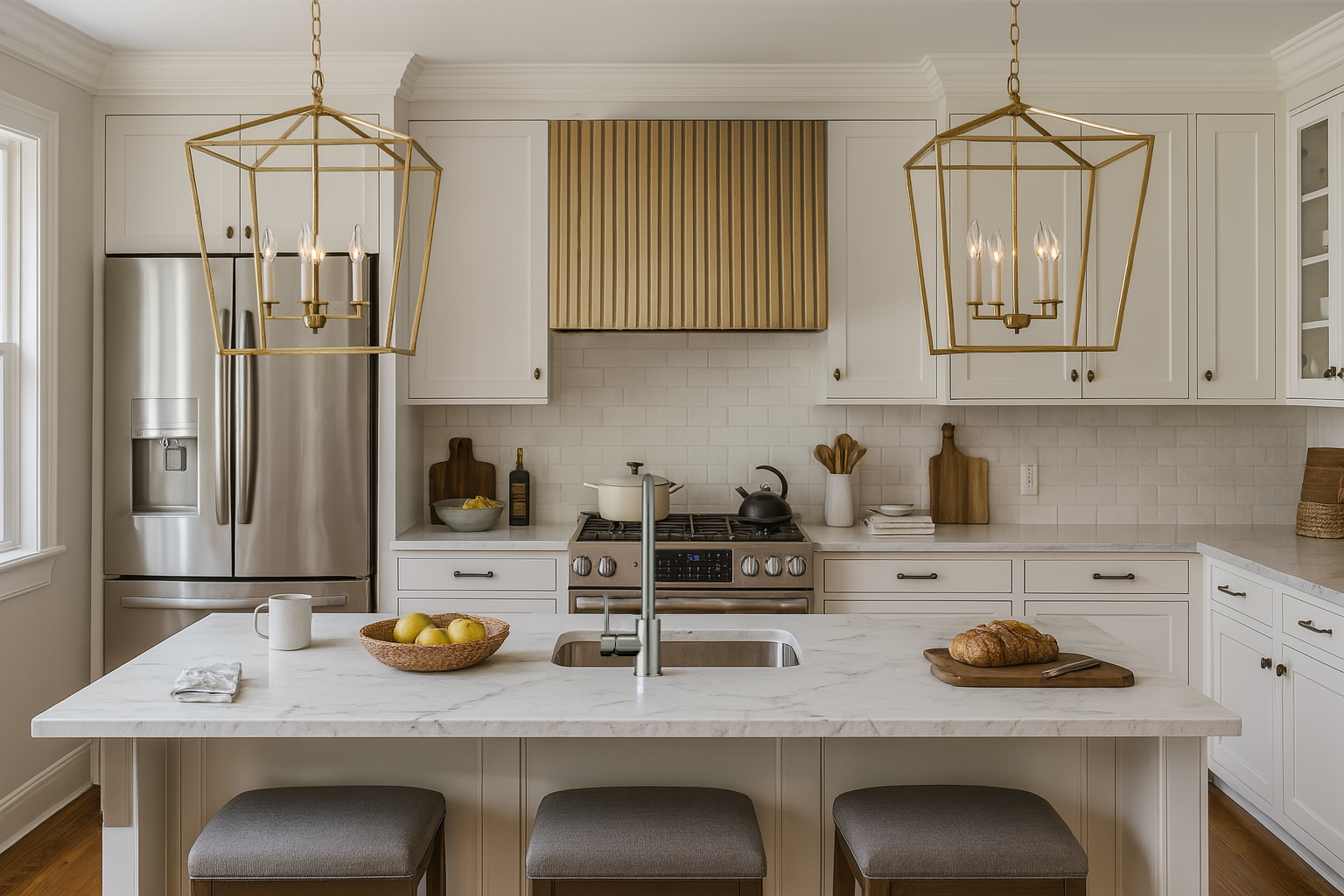
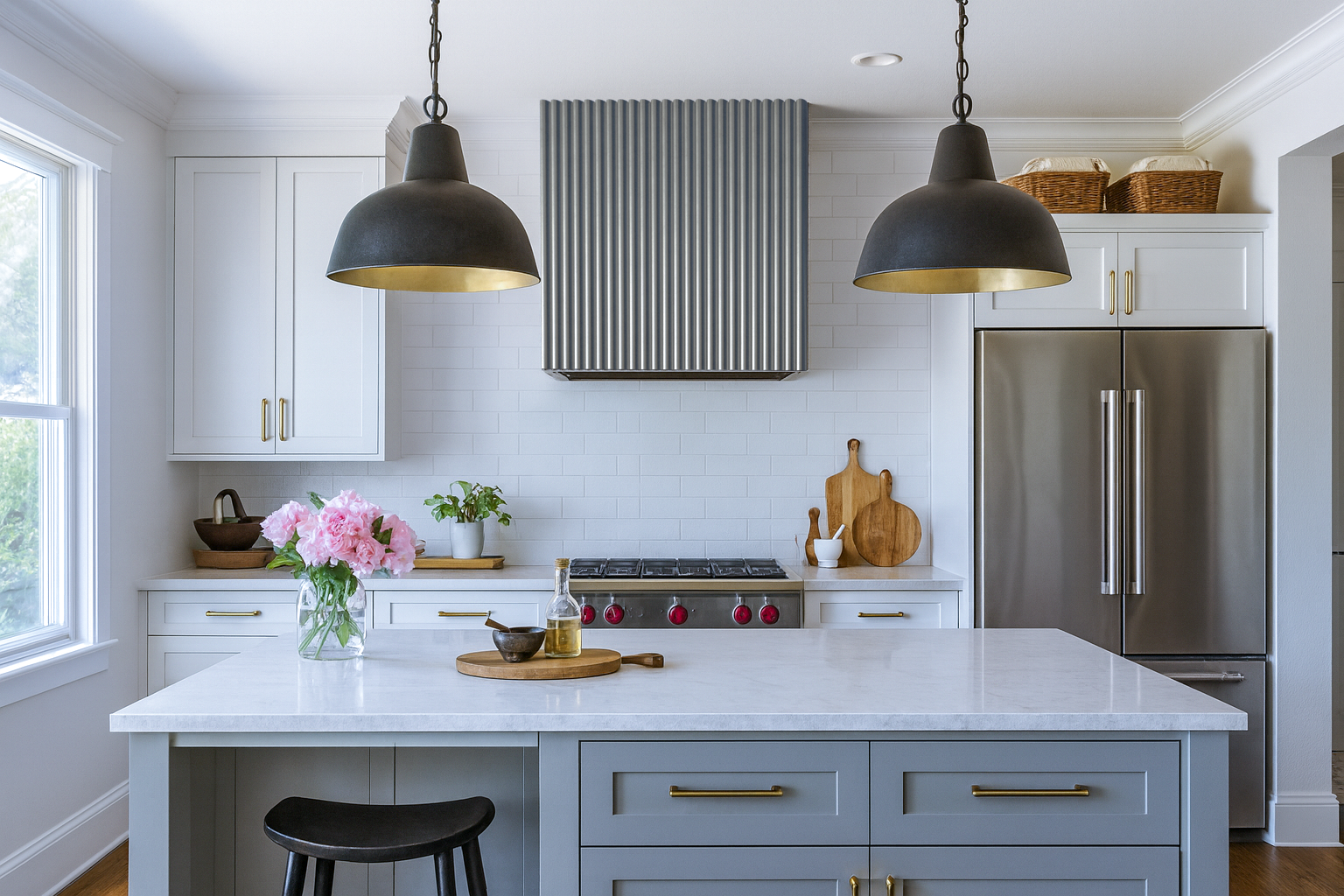

Choosing a bespoke metal range hood maker comes down to five criteria: the metals a maker works in, how the hood is built (cast, formed, or fabricated), whether a premium liner is included, whether the maker sells to the trade, and how reliably the maker delivers. Brooks Custom is a well-known name in this field, particularly for formed copper, brass, and stainless hoods. La Bastille is the alternative to consider when you want hand-cast zinc, pewter, brass, bronze, or copper, a liner included with every custom hood, and a 12-14 week lead time from a US-based in-house team.
This guide gives you a criteria-based matrix to compare any bespoke hood maker, including Brooks Custom, on the same terms. Maker details change, so confirm specifics directly with each shop before you commit.
Why a Criteria Matrix Beats a Brand-Name Shortlist
Most comparisons start with brand names and end with a gut feeling. Custom hoods are one-of-a-kind purchases, often specified months before installation, so a gut feeling is a risky basis for a decision that affects your cabinetry, ductwork, and schedule.
A matrix forces you to ask the same questions of every maker. It also exposes which differences matter for your project. A restaurant bar program, a luxury residence, and a spec-home builder all weigh these criteria differently.
The Five-Criteria Matrix
Use this table as a starting framework. Fill in each row for every maker on your shortlist.
| Criterion | What to ask | Why it matters |
|---|---|---|
| Metals and alloys | Which metals are offered? Are they cast, sheet-formed, or clad? | Determines patina, weight, and how the hood ages |
| Construction method | Hand-cast, hand-formed, or machine-fabricated? What joinery is used? | Affects seam visibility, ornament depth, and longevity |
| Liner and performance | Is a premium liner included? Which insert or blower is it designed for? | Determines whether the hood works as a system or only as a shell |
| Trade access | Is there a trade program, pricing tier, or ready-to-order line? | Matters for designers, architects, and builders managing multiple projects |
| Delivery | What is the quoted lead time, and what drives it? Where is it made? | Protects your construction schedule |
Criterion 1: Metals and Alloys
The metal is the most visible decision, and the one you live with longest. Each of the living metals behaves differently.
Cast zinc
Zinc is grey with a blue-grey hue. It ages into a warm, antique character and can be finished to look as though it has been in place for generations. Zinc has a long architectural history, from roofing and tiles to ornamental downspouts, and it ranges from ornate detail to sleek, modern profiles. It is a signature material at La Bastille.
Pewter
Pewter is a malleable, tin-based alloy with a long history in French bistros and brasseries. Polished pewter is a bright silvery tone that settles into a muted gray or charcoal patina, or it can be polished regularly to a near-mirror finish.
Brass and bronze
Brass offers warmth and a golden tone that deepens with use. Bronze is significantly harder than zinc or pewter, with finishes ranging from polished golden bronze to rich antiqued brown. Both develop their own patina and use patterns.
Copper
Copper is the classic hood metal, with a wide range of finishes from bright to deeply oxidized. It is the most commonly offered material across the field, so differences between makers show up in gauge, finish, and craftsmanship rather than availability.
What to ask
- Is the metal solid, or is it a veneer or cladding over another substrate?
- Is the finish a true, living patina, or a coating that will not change?
- Can I see a sample that has been through real use?
A living metal changes. If a maker describes a finish as permanent and unchanging, ask what is protecting it and how that layer behaves over time.
Criterion 2: Construction Method
Construction is where cast and formed hoods diverge most.
Formed or fabricated hoods are shaped from sheet metal. This approach suits clean, tailored silhouettes, and it is where many well-regarded makers, Brooks Custom among them, do their best work. Seam quality, gauge, and finishing are the differentiators.
Cast hoods are poured and finished by hand. Casting allows deeper relief, richer ornament, and a more substantial feel. It is also more labor-intensive, which is why cast hoods are a smaller segment of the market.
What to ask
- Is the hood cast, formed, or a combination?
- How are seams joined and finished? We avoid shortcuts such as paint effects or fillers that imitate metal, and you should ask any maker the same.
- Will I receive technical shop drawings for approval before fabrication begins?
- How much of the work happens in-house versus outsourced?
Criterion 3: Liners and System Integration
A beautiful shell is only half of a range hood. The liner, insert, or blower setup determines whether the hood actually captures smoke and grease.
Some makers sell the exterior only and expect your installer to source the insert. Others design the hood around a specific liner. Both models can work, but they put coordination responsibility in different places.
At La Bastille, our fully custom hoods in cast zinc, pewter, brass, bronze, and copper arrive fully equipped with a premium liner for seamless integration. We design the exterior and the interior together so your installer is not left reconciling dimensions in the field.
What to ask
- Is a liner included in the quoted price?
- Which blower or insert is it designed for, and what CFM range does it support?
- Who confirms duct size, clearances, and local code requirements?
- Does the maker provide installation guidance or a design packet?
Always have your mechanical contractor review CFM requirements against your cooktop and local code before ordering.
Criterion 4: Trade Access
If you are a designer, architect, or builder, the way a maker works with the trade can matter as much as the product.
Look for:
- A defined trade program with dedicated support
- A ready-to-order line for projects that cannot wait for a full custom process
- A consistent offering when you need multiple hoods across a development
La Bastille serves the trade through three tiers:
- Fully custom hoods: one-of-a-kind designs in cast zinc, pewter, brass, bronze, and copper, built to exacting specifications with a premium liner.
- A curated line of cast zinc and brass hoods: for high-end builders and designers who need volume with consistent quality.
- The Bastille Collection: a trade-only, curated collection of three ready-to-order cast metal hoods in standard sizes.
Not every maker offers all three paths. If you manage repeat projects, ask whether a maker can scale from a single statement hood to a multi-unit order without changing the quality of the finish.
Criterion 5: Delivery and Lead Time
Lead time is a schedule risk, so treat it as a core criterion rather than a footnote.
Ask each maker:
- What is the current quoted lead time, from approved drawings or from deposit?
- Where is the work made, and does that affect shipping or customs?
- What happens if drawings need revision?
- How are hoods crated and shipped to protect the finish?
Our custom projects typically run 12-14 weeks. Because we source, design, and fabricate in the USA with an on-staff team of designers and artisans, we can speak plainly about timing. We respond to inquiries within 1-2 business days. Whichever maker you choose, get the lead time in writing and build a cushion into your construction schedule.
How the Field Compares
Rather than rank makers, it helps to understand which kind of project each type of maker suits. Verify current offerings directly.
| Maker type | Typical strengths | Consider if |
|---|---|---|
| Brooks Custom | Formed copper, brass, and other metal hoods; established name in custom hoods | You want a tailored, sheet-formed silhouette from a known brand |
| La Bastille | Hand-cast zinc, pewter, brass, bronze, copper; liner included on custom hoods; trade collection; US-made | You want cast metal depth, living finishes, and a hospitality-grade or residential statement piece |
| Regional metal fabricators | Local access, shorter shipping | The design is simple and you can supervise closely |
| Stainless and mass-market custom lines | Lower cost, faster turnaround | Budget and speed outweigh material character |
Brooks Custom has earned its reputation, and for many projects it is a sound choice. The difference is largely one of material and method: if your design calls for cast detail, a pewter or zinc finish, or a hood that arrives with its liner designed in, a cast-metal specialist is the better fit.
Matching the Maker to Your Project
Luxury residence
Prioritize finish character and liner integration. A cast zinc or bronze hood with a matching countertop or bar top creates a cohesive metal story across the kitchen.
Restaurant or bar
Prioritize durability and schedule. Living metals such as zinc and pewter have a long track record in French bistros and brasseries, and they reward heavy use with patina rather than being diminished by it.
Builder or developer
Prioritize consistency and repeatability. A curated line or ready-to-order collection reduces variability across units.
A Practical Evaluation Checklist
- Define the metal and finish you want, and request physical samples.
- Confirm whether the hood is cast, formed, or fabricated.
- Ask whether a liner is included and what it supports.
- Request technical shop drawings and a written lead time.
- Verify trade pricing and ready-to-order options if you are a professional.
- Confirm where the hood is made and how it ships.
- Have your mechanical contractor sign off on CFM and ducting.
Frequently Asked Questions
What is the best alternative to Brooks Custom?
It depends on the material and method you want. For hand-cast zinc, pewter, brass, bronze, or copper with a premium liner included, La Bastille is a strong alternative. For simple formed designs, other regional fabricators may suffice.
How long does a custom metal range hood take?
Lead times vary by maker and complexity. Our custom hoods typically take 12-14 weeks. Always confirm the figure in writing and plan for a buffer.
Are cast metal hoods better than formed ones?
Neither is universally better. Cast hoods offer deeper ornament and a more substantial presence. Formed hoods suit clean, tailored profiles. The right choice follows your design.
Does a custom hood include a liner?
It depends on the maker. Our fully custom hoods include a premium liner. Some makers sell the exterior only, so always confirm.
Can designers and architects buy at trade pricing?
Many makers offer trade programs. We serve the trade with a curated line and the Bastille Collection, a trade-only set of three ready-to-order hoods in standard sizes.
Will the metal change over time?
Living metals such as zinc, pewter, brass, bronze, and copper develop patina with use. That change is part of their appeal, and it can be guided or polished depending on the metal.
Next Steps
We would be glad to help you compare options, even if you are still early in the process. Share your drawings, a rough dimension, or simply an inspiration image, and our in-house design team will respond within 1-2 business days. You can reach us by email, by phone, or by scheduling a call through labastille.com.
Take the time you need. We handcraft each hood to your specifications, and we will be here when you are ready.