
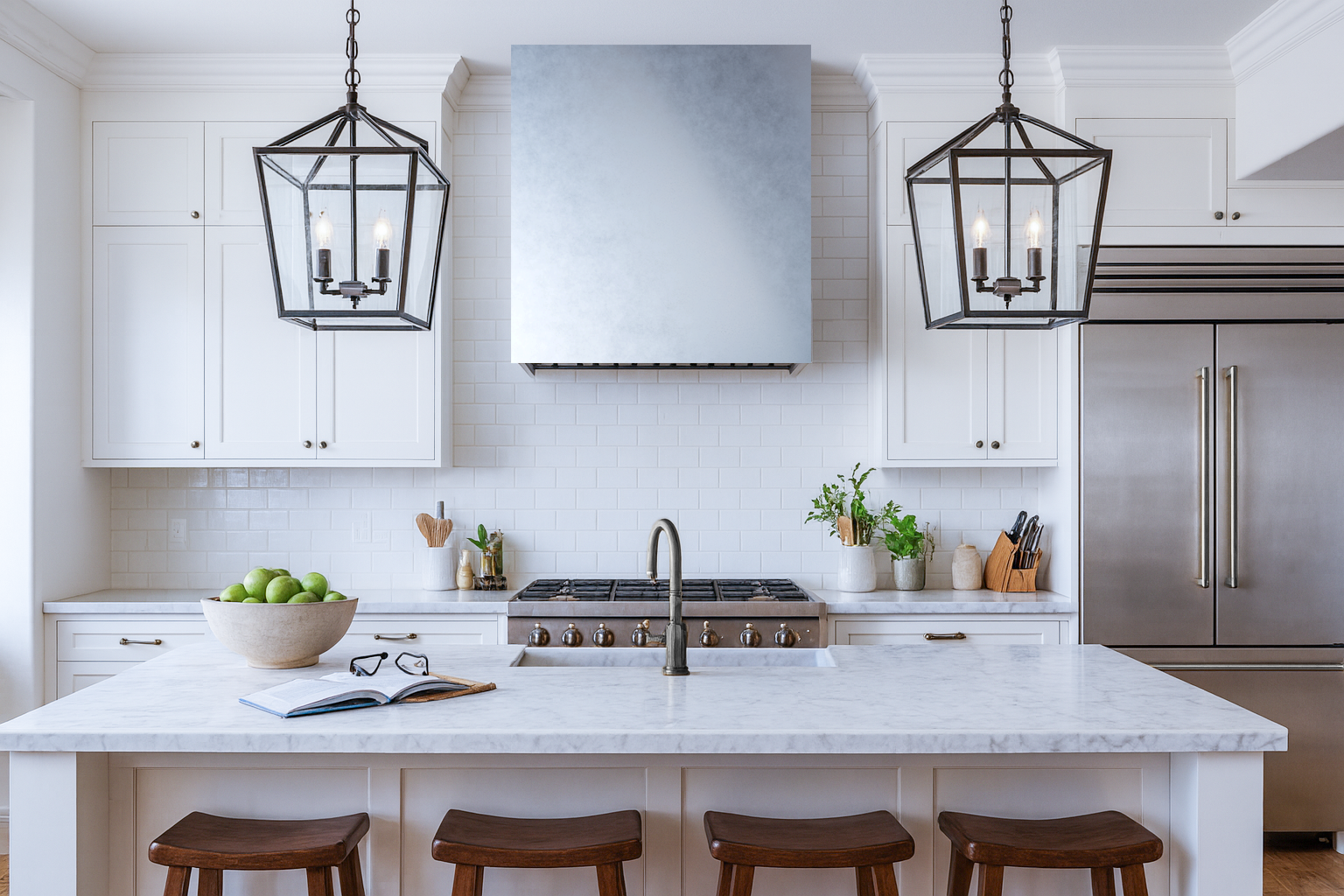
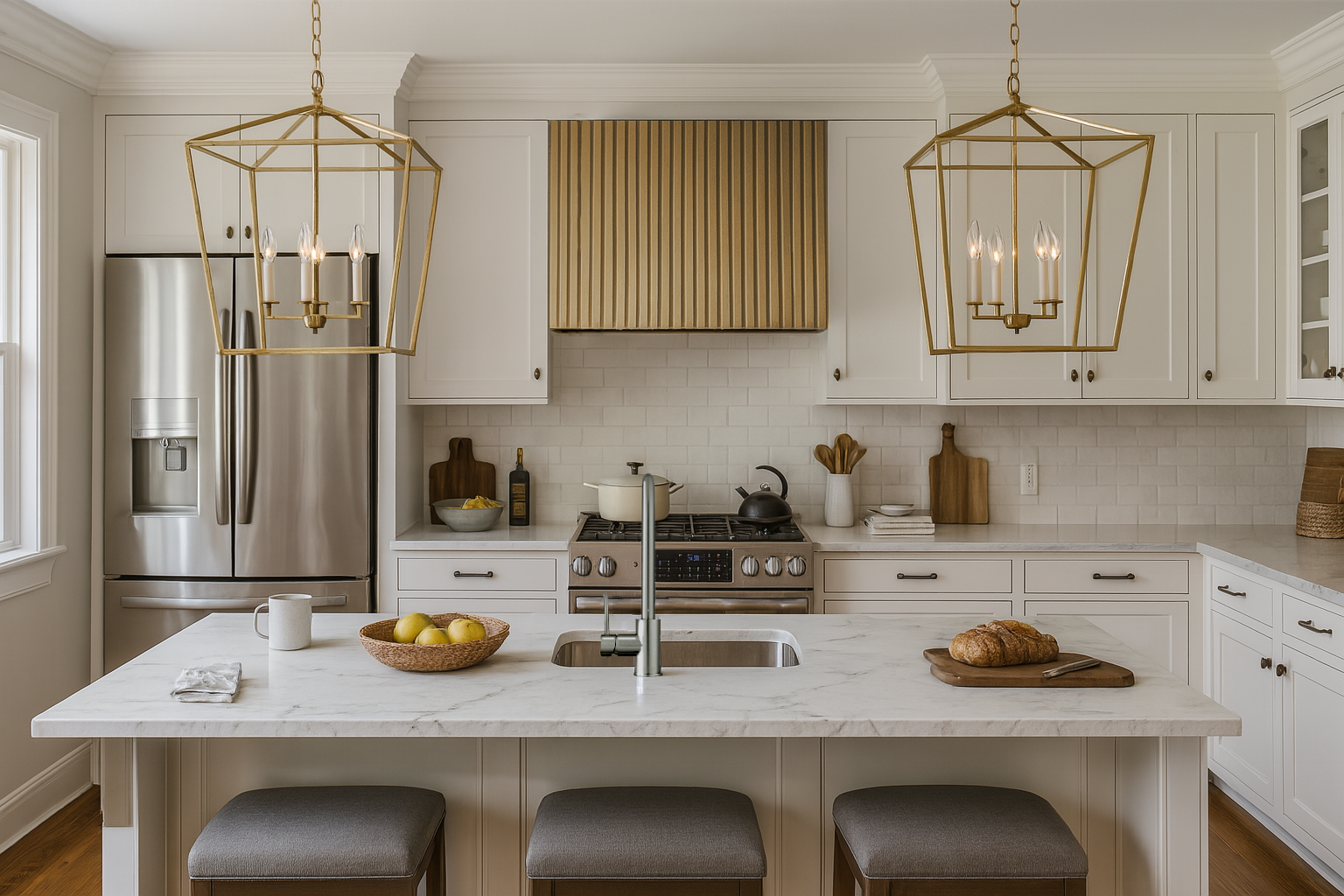
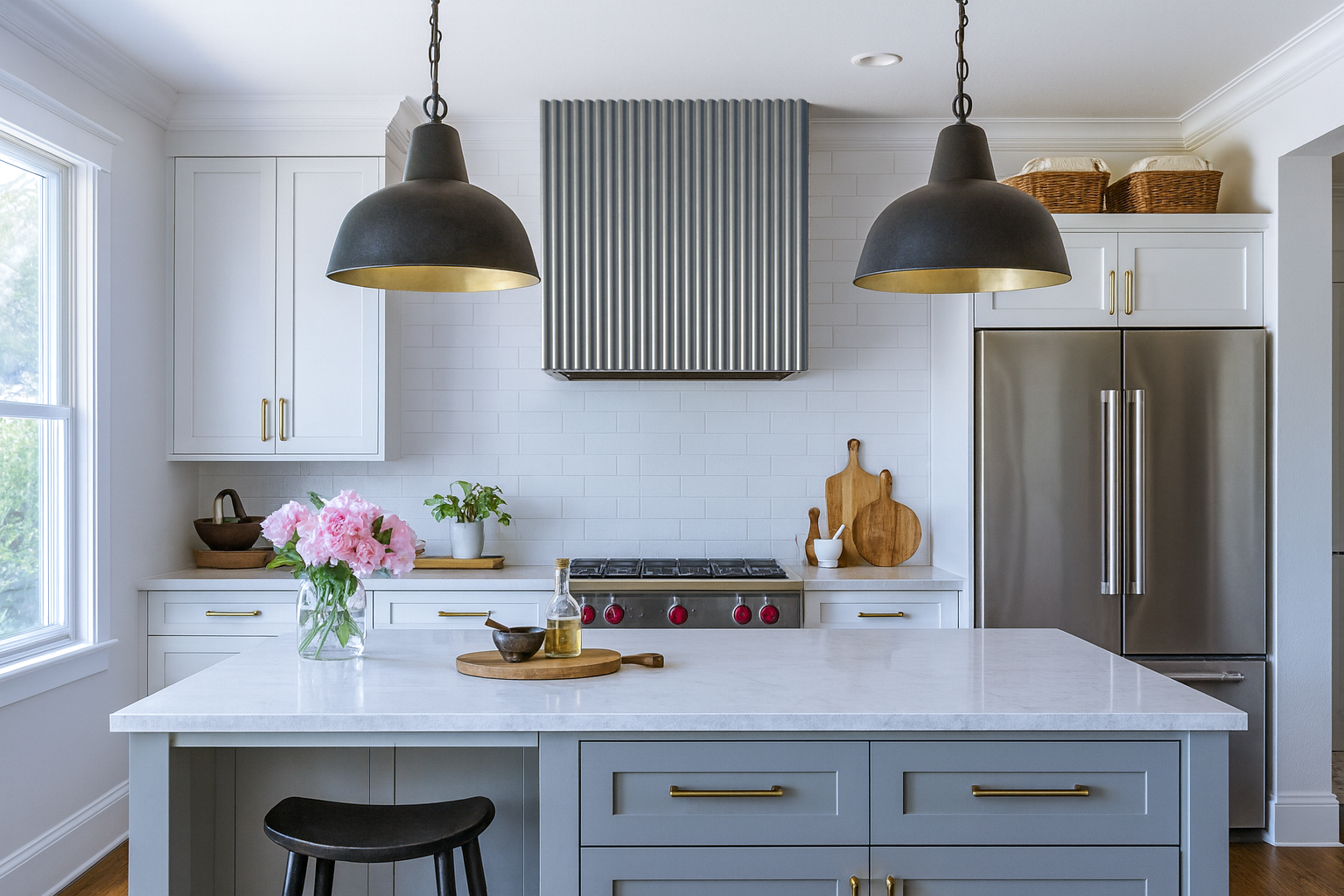

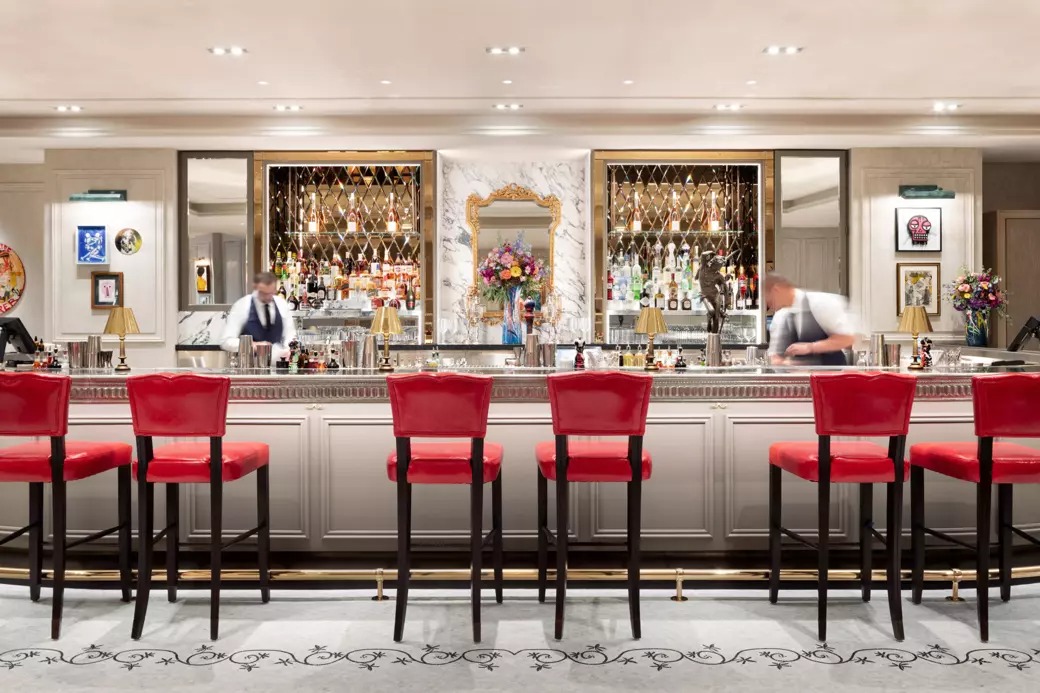
Match the metal to the era. Art Deco calls for cast zinc or brass with crisp, geometric edges. Mid-Century Modern suits bronze or brass with slim, square profiles. Farmhouse pairs best with aged zinc or copper and softer, rounded edges. Parisian bistro style belongs to pewter, with a classic bullnose or rolled edge. Contemporary modern design is at home with zinc or pewter in a clean, matte finish and a minimal edge. Each metal is a living surface, so the finish you choose today is the starting point of a patina that will deepen for decades.
At La Bastille, we handcraft custom metal countertops, bar tops, and range hoods in cast zinc, pewter, brass, bronze, and copper. This guide pairs each architectural style with the metal, finish, edge, and hardware details that belong to it, so you can walk into a design conversation with a clear direction.
Style-by-Style Pairing Chart
| Style | Best Metal | Finish | Edge | Hardware |
|---|---|---|---|---|
| Art Deco | Cast zinc, brass | Polished or satin, lightly antiqued | Square, stepped, or beveled | Polished brass, chrome, black accents |
| Mid-Century | Bronze, brass | Satin, warm | Slim square or eased | Walnut and brass, minimal pulls |
| Farmhouse | Aged zinc, copper | Antiqued or matte | Rounded, bullnose, or traditional | Black iron, aged brass, cup pulls |
| Parisian | Pewter | Polished that settles into a soft gray patina | Bullnose or transitional | Aged brass, nickel, porcelain |
| Modern | Zinc, pewter, bronze | Matte | Square | Integrated or concealed, blackened steel |
Use the chart as a starting point. Each project is one of a kind, and we adjust alloy, finish, and profile to suit the architecture and the way you live in the space.
Art Deco: Zinc and Brass
Art Deco is defined by symmetry, geometry, and a confident sense of luxury. Metal was central to the original movement, appearing in elevator doors, lobby inlays, and ornamental screens. A metal countertop continues that tradition naturally.
Metal and finish
Cast zinc is an excellent Deco choice. Its blue-gray tone reads cool and architectural, and it takes crisp detail well. Zinc has a long history in architectural applications, from roofing to ornamental work, so it feels historically at home in the style. For bolder drama, brass brings the warm glow associated with Deco bars and lounges.
A polished or satin finish works best. If you prefer a softer look, we can hand-finish zinc with an antiqued surface that suggests it has been in place for generations.
Edge and detail
Choose edges that echo Deco geometry:
- Stepped or layered edges that mimic skyscraper setbacks
- Square or beveled profiles with sharp, clean lines
- Inlaid brass banding against a zinc field for contrast
Hardware
Polished brass, chrome, and black accents all work. Look for fluted, fan, or sunburst motifs, and keep the arrangement symmetrical. A brass or zinc range hood with a tapered, stepped silhouette completes the composition.
Mid-Century Modern: Bronze and Brass
Mid-Century design values honest materials, clean lines, and warmth. The look favors natural woods, organic forms, and understated metal accents rather than ornament.
Metal and finish
Bronze is a natural fit. It is a significantly harder alloy than zinc or pewter, and its tones range from polished golden bronze to a rich antiqued brown. The warm brown end of that range sits beautifully beside walnut, teak, and walnut-veneer cabinetry. Satin brass is a lighter alternative, with a golden tone that complements period color palettes such as olive, mustard, and burnt orange.
Choose a satin finish over a mirror polish. The softer sheen keeps the surface relaxed and livable, and it will develop use patterns that add to its character.
Edge and detail
- Slim square edges that keep the slab visually light
- Eased corners for a softened, tactile feel
- Subtle reveals where metal meets wood
Hardware
Pair your countertop with simple brass or wood pulls, tapered legs on an island, and minimal fixtures. Avoid heavy ornament. The metal itself provides the warmth.
Farmhouse: Aged Zinc and Copper
Farmhouse kitchens are about patina, comfort, and a feeling of having been lived in. Metal surfaces were part of working kitchens long before they were a design choice, so the style welcomes visible wear.
Metal and finish
Aged zinc is a classic. With use, zinc ages and becomes rich with character and warmth, and it can be made to look as though it has been part of the kitchen for years. Copper adds a warmer note and suits farmhouse sinks, island tops, and range hoods. A matte, antiqued, or hand-rubbed finish is most fitting. Bright polish feels out of place here.
Edge and detail
- Rounded or bullnose edges that feel soft and worn
- Ornate profiles for a traditional, furniture-like presence
- Integrated drainboard grooves beside a apron-front sink
Hardware
Black iron, aged brass, and cup pulls are the right companions. Open shelving, shiplap, and painted cabinetry in soft whites or muted greens all pair comfortably with zinc’s cool gray.
Parisian Bistro: The Parisian Pewter Bar
Bars in France are often called le zinc, yet the famous Parisian bar surfaces are actually pewter. Pewter is a malleable alloy composed mostly of tin, and it has been used in French bistros and brasseries for centuries. If you want an authentic Parisian pewter bar, this is the metal.
Metal and finish
Polished pewter has a vibrant silvery hue and is low maintenance when left to patina naturally, settling into a muted gray or charcoal over time. Alternatively, it can be maintained to a mirror-like finish with regular polishing. Both are valid. The first suits a relaxed brasserie feel, the second a more formal cocktail room.
Pewter is soft and malleable, which makes it a living finish. It will show marks, and in a bistro setting those marks are part of the charm. We recommend it for clients who welcome that evolution.
Edge and detail
- Bullnose or rolled edges for the traditional bar-rail profile
- Wrapped edges over a wood substrate
- Footrail and bar-back detailing in matching metal
We offer a broad selection of traditional and modern edgings, so the French original can be adapted to a contemporary bar as easily as a classic one.
Hardware
Aged brass, nickel, and porcelain fixtures, bentwood stools, mosaic tile, and mirrored back bars complete the picture.
Contemporary Modern: Zinc, Pewter, and Bronze
Modern design strips away ornament and lets material and proportion lead. Zinc is well suited here. Its flexibility spans highly ornate architectural details to sleek, modern forms, and it has made a strong comeback in modern kitchens, helped by its eco-friendly properties.
Metal and finish
- Zinc in a matte or honed finish for a quiet, blue-gray surface
- Pewter in a polished finish for a bright, reflective plane
- Bronze for a darker, more sculptural statement
Edge and detail
- Square edges with crisp corners
- Seamless integrated sinks and backsplashes in the same metal
Hardware
Concealed or integrated pulls, blackened steel, and recessed fixtures keep the lines uninterrupted. A slim cast zinc range hood can anchor the room as a single, sculptural element.
Choosing Across Styles: Practical Considerations
Some decisions apply regardless of era.
- Decide how much change you want. Zinc, pewter, brass, bronze, and copper all develop patina. If you want a stable look, tell us early so we can recommend finishes and care routines.
- Match range hood and countertop. A coordinated metal range hood ties the room together. Our fully custom hoods come with a premium liner for seamless integration.
- Consider use. Bar tops and busy kitchens will show wear sooner. In hospitality settings, that wear is often desirable.
- Plan for the lead time. Because each piece is hand-cast and hand-finished, lead times are typically 12–14 weeks.
Mixing Styles
Many homes blend eras. A transitional kitchen might pair a zinc island with a bronze range hood, or a Parisian pewter bar with modern cabinetry. The rule we follow is to let one metal lead and use a second as an accent. Keep edge profiles consistent so the room reads as intentional.
How We Work With You
We partner with designers, architects, and hospitality groups across North America. Every project is sourced, designed, and fabricated in the USA by our on-staff designers and skilled artisans, using the highest quality alloys available.
Here is what to expect:
- Reach out by email, phone, or by scheduling a call on our calendar. We respond within 1–2 business days.
- Meet your designer. A member of our in-house design team is assigned early and stays with your project.
- Review a design packet. You receive technical shop drawings that detail dimensions, edge profiles, and finishes for your approval.
- Fabrication. We hand-cast and hand-finish your pieces, typically over 12–14 weeks.
We never rush the process and we respect your decision timeline.
Frequently Asked Questions
What is the best metal countertop for an Art Deco kitchen?
Cast zinc or brass. Both suit the style’s geometry and sense of luxury, especially with square, beveled, or stepped edges.
Is a Parisian bar made of zinc or pewter?
Although French bars are often called le zinc, the classic surfaces are actually pewter, a tin-based alloy.
Which metal works best for a farmhouse kitchen?
Aged zinc and copper. Both develop a lived-in patina that suits the style, and matte or antiqued finishes keep the look authentic.
Does bronze suit Mid-Century Modern design?
Yes. Its warm brown and golden tones pair well with walnut and teak, and a satin finish with slim edges keeps the look period-appropriate.
Will my metal countertop change over time?
Yes. These are living metals. Zinc and pewter move toward richer gray tones, and bronze, brass, and copper develop their own patinas. Pewter can also be polished to maintain a mirror finish.
Can I mix metals in one kitchen?
Yes. Let one metal lead and use another as an accent, and keep edge profiles consistent.
Start Your Project
Whatever your architecture, we would be glad to help you find the metal, finish, and edge that belong in it. Visit labastille.com to share your plans, request a conversation with our design team, or schedule a call. We look forward to building something heirloom-quality with you.