
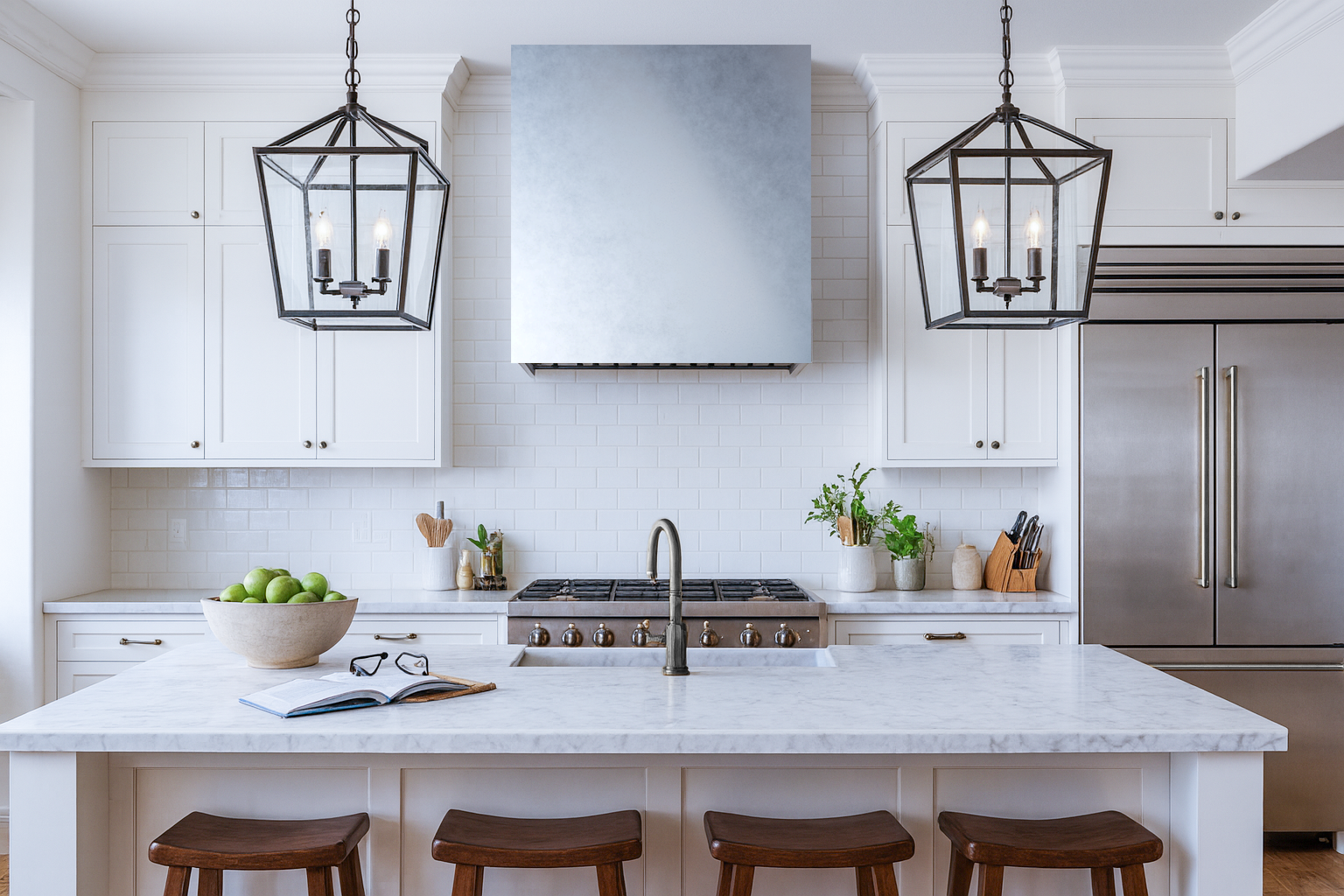
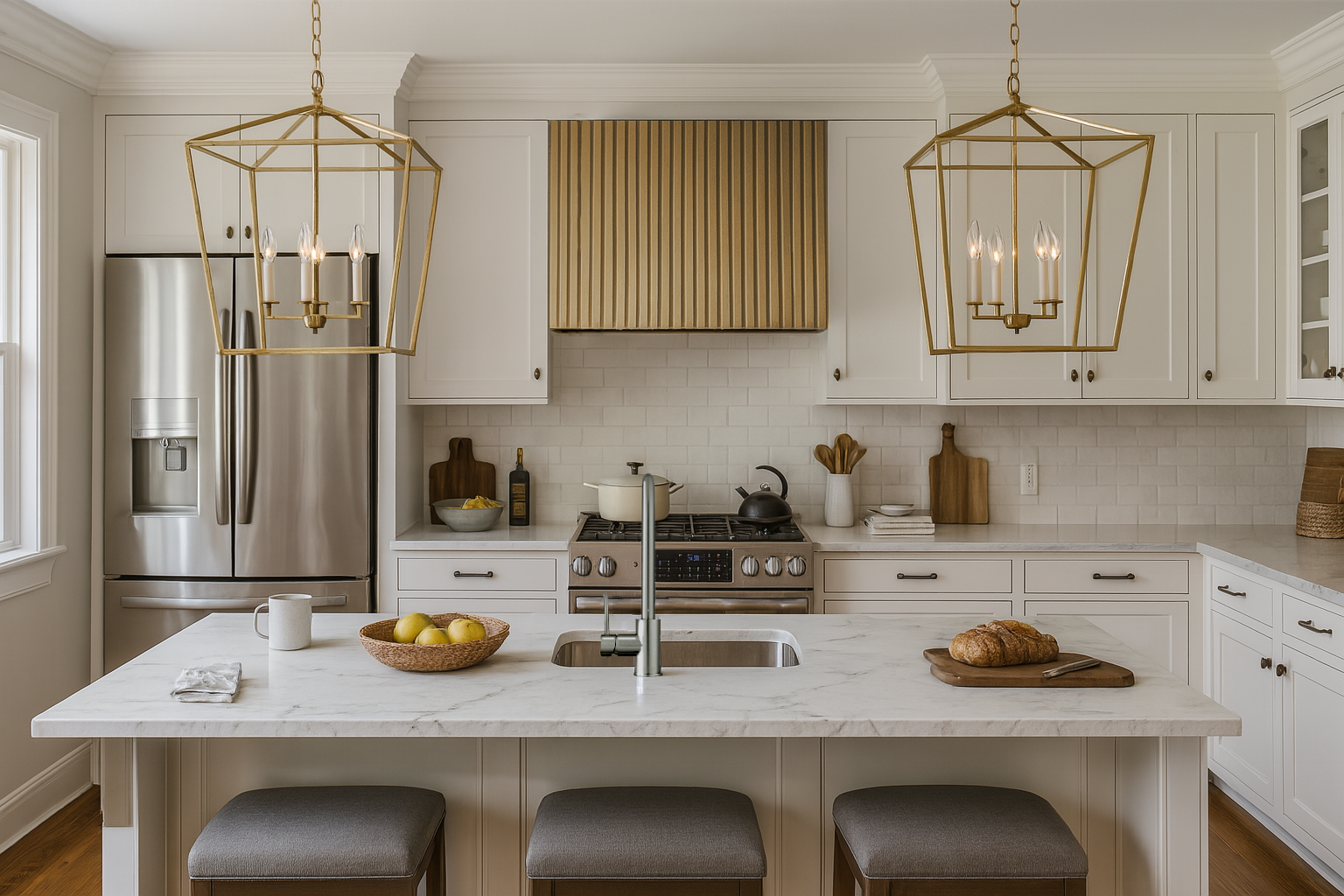
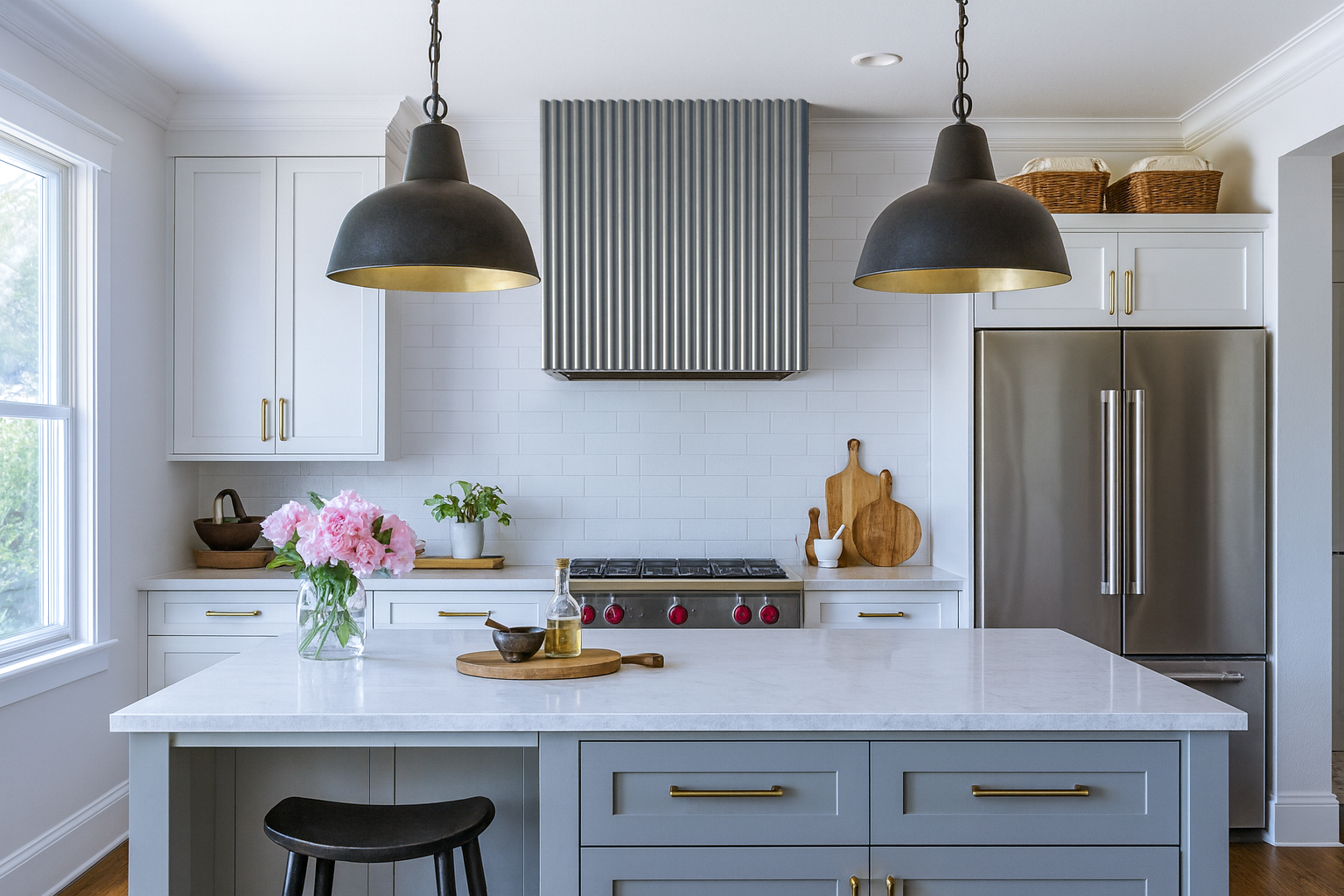

A custom metal countertop typically takes 12 to 14 weeks from signed approval to ship date, and the full project, from first conversation to installation, usually runs 16 to 22 weeks once you add design, templating, and delivery. The schedule depends less on how fast the metal is cast than on how quickly four things happen: the design packet is complete, the shop drawings are signed, the finish sample is approved, and the site is ready for a template. This checklist walks through each stage, what you will receive, what we need from you, and where projects most often slip.
Please treat the week ranges below as a planning guide. Every piece is handcrafted, and your project's schedule will be confirmed in writing by your project team.
The Metal Countertop Fabricator Process at a Glance
| Stage | Typical timing | Your sign-off |
|---|---|---|
| 1. Discovery and design packet | Weeks 1–2 | Scope, metal, and budget range |
| 2. Quote, samples, and finish selection | Weeks 2–4 | Sample approval, written proposal, deposit |
| 3. Shop drawings | Weeks 4–6 | Signed technical shop drawings |
| 4. Templating | Weeks 5–7 | Template confirmation |
| 5. Hand-casting and fabrication | Weeks 7–19 | Mid-production check-in (optional) |
| 6. Finishing and quality review | Final 1–2 weeks of production | Final finish approval |
| 7. Delivery and installation | Weeks 19–22 | Walk-through and care handoff |
Some stages overlap. Samples and drawings often run in parallel, and templating can be scheduled as soon as cabinets are set. Where the overlap helps, we use it. Where a sign-off must come first, we say so plainly.
Week 1–2: Discovery and the Design Packet
What happens: You share your concept, and we match it to the right metal. Zinc, pewter, brass, bronze, and copper each behave differently. Zinc has a blue-grey hue and ages toward an antique warmth. Pewter, a tin-based alloy with a long history in French bistros, offers a bright silvery surface that either patinas naturally or can be polished toward a mirror finish. Bronze is a significantly harder alloy with finishes from polished golden to rich antiqued brown. Your in-house designer will help you weigh these against how the surface will actually be used.
Deliverables you provide (the design packet):
- Floor plans and elevations, with cabinet layouts and dimensions
- Sink, cooktop, and appliance model numbers or spec sheets
- Desired edge profiles, backsplash heights, and any integrated features
- Inspiration images and finish references
- Project address, general contractor contact, and target install window
- A realistic budget range
Deliverables you receive:
- A named designer and sales coordinator
- A response within 1–2 business days
- Initial guidance on metal choice, edge options, and feasibility
Common delays:
- Appliance selections not yet final, which changes cutout dimensions
- Plans that are still moving, such as cabinet layouts not frozen
- Unclear decision-makers: if a designer, owner, and builder all must approve, tell us up front who has final say
Week 2–4: Proposal, Samples, and Finish Approval
What happens: We issue a written proposal and send physical samples so you can judge color, texture, and sheen in your own light. This is the most important decision point for living metals. A zinc or pewter surface is not a static color. It develops character with use, and the sample is how you decide where on that spectrum you want to begin.
Sample approval checklist:
- View samples in the actual room, in morning, afternoon, and evening light
- Place the sample next to cabinetry, flooring, and hardware
- Test it: set a wet glass on it, and leave it for a few days if you can
- Decide on the starting finish: polished, hand-finished, or pre-aged to look as though it has been in place for years
- Confirm the edge profile with a sample edge where possible
- Sign and return the finish approval in writing
Sign-offs at this stage:
- Written proposal
- Finish sample approval
- Deposit, which releases your place in the production schedule
Common delays:
- Samples sitting unreviewed for a week or more
- Expecting a living finish to look identical in five years. We will gladly talk through how each metal ages so there are no surprises
- Changing the metal after the proposal, which resets pricing and drawings
Week 4–6: Technical Shop Drawings
What happens: Our team produces technical shop drawings, the document that defines exactly what will be fabricated. They show dimensions, seam locations, edge profiles, cutouts, thickness, backsplash details, and how pieces meet at corners.
Why shop drawings matter: Once casting and fabrication begin, changes are costly and sometimes impossible. The signed drawing is the contract between your intent and the finished piece.
What to check before you sign:
- Overall dimensions against your plans
- Seam placement. Ask whether seams fall where you want them and how they are finished
- Sink and cooktop cutouts against the manufacturer's template, not just the catalog sheet
- Overhangs and support requirements, especially for bar tops
- Edge profile and corner radii
- Backsplash height and return details
- Faucet holes, soap dispensers, and any drainboard or integrated feature
Sign-offs: Your signature, plus your designer, architect, or contractor as applicable. We recommend that whoever is responsible for the cabinetry reviews the drawings too.
Common delays:
- Review comments arriving piecemeal over several rounds instead of in one consolidated markup
- Appliance specs changing after approval
- Drawings approved before cabinets are built, then conflicts found at templating
Week 5–7: Templating
What happens: Templating is the step where the countertop stops being a drawing and becomes a precise fit for your space. Templating countertops for metal calls for care, because the finished piece is a heavy, handcrafted surface that cannot be trimmed on site the way some materials can.
Site readiness checklist before templating:
- Base cabinets are installed, level, and fixed in place
- Cabinet faces and any reveals are final
- Sink, cooktop, and faucet are on site, or exact specs are confirmed
- Walls are finished enough to measure against, or tolerances are noted
- Floors are protected and access is clear
- Power, lighting, and a clear path are available for the template team
- A decision-maker is present or reachable by phone
Deliverables:
- A verified template or field measurements
- A comparison of the template to the signed shop drawings
- A written list of any discrepancies and how each will be resolved
Common delays:
- Cabinets not yet installed or not level, which forces a second visit
- Appliances not on site, leaving cutouts uncertain
- Walls out of plumb, requiring scribing allowances to be added to drawings
- Late changes to layout after templating. If a cabinet moves, tell us immediately
Week 7–19: Hand-Casting and Fabrication
What happens: This is the longest stage and the reason the custom countertop lead time is what it is. Our artisans cast and fabricate your pieces in the USA from high-quality alloys, with no shortcuts. Each surface is built to specification, then hand-finished.
Lead time guidance: Plan on 12 to 14 weeks of production after drawings and finish are signed. Complex edges, large bar tops, or multiple pieces can extend that window, and we will tell you early if yours will.
What you can do during production:
- Hold your install date loosely until we confirm the ship date
- Coordinate flooring, plumbing, and electrical so the site is ready on arrival
- Confirm who will receive the delivery, and arrange adequate help for moving heavy metal pieces
- Request a mid-production update; we are glad to provide one
Common delays:
- Change orders after production begins
- Unpaid milestone invoices pausing the schedule
- Site construction running behind, so deliveries have nowhere to go
Final 1–2 Weeks: Finishing and Quality Review
What happens: Pieces are hand-finished to the approved sample: polished, brushed, antiqued, or left to patina naturally. We then review every surface against the drawing and the sample.
Your checklist:
- Review photos of the finished pieces if offered
- Confirm the finish matches your signed sample, allowing for the natural variation of handcrafted living metals
- Confirm the delivery address, contact, and receiving window
- Review the care instructions for your specific metal
Common delays:
- A late finish change request. Please raise concerns at sample approval, not at shipping
- Delivery windows that conflict with building access rules, particularly in commercial or multi-unit properties
Week 19–22: Delivery and Installation
What happens: Your pieces are crated, shipped, and installed. Metal countertops are heavy and require planning for access, lifting, and support.
Installation day checklist:
- Cabinets remain level and unchanged since templating
- Path of travel is clear: doors, stairs, elevators, and hallways measured
- Plumbing and appliance installers are scheduled after the countertop, not before
- Adhesives, sealants, and any support hardware specified in the drawings are on hand
- Someone is on site to sign for delivery and inspect for shipping damage
- Photograph any concerns before pieces are moved
Final walk-through:
- Inspect seams, edges, and cutouts
- Review care and maintenance: what to use, what to avoid, and how to polish or let the metal patina
- Receive documentation for your records
Quick Reference: The Seven Sign-Offs
- Design packet and scope confirmation
- Written proposal
- Finish sample approval
- Deposit and schedule placement
- Signed technical shop drawings
- Template and site-readiness confirmation
- Final finish and delivery approval
The Five Most Common Delays, and How to Avoid Them
- Late appliance and sink selections. Finalize models before drawings.
- Slow sample or drawing approvals. Consolidate feedback into a single round.
- Cabinets not ready at templating. Confirm install and level status in advance.
- Changes after production starts. Treat the signed drawings as final.
- Site not ready at delivery. Build a buffer between the ship date and your install date.
FAQ
How long does a custom metal countertop take?
Production typically takes 12 to 14 weeks after shop drawings and finish samples are approved. Including design, sampling, templating, and delivery, most projects run 16 to 22 weeks.
What are shop drawings, and why do I have to sign them?
Shop drawings are the detailed technical drawings that specify dimensions, seams, edges, cutouts, and details. Your signature confirms that what we fabricate is what you intend.
When should templating happen?
Once base cabinets are installed, level, and fixed, and sink and cooktop specifications are confirmed. Templating too early is the most common cause of rework.
Can I change my design after approval?
Small adjustments may be possible before production begins. After that, changes can affect cost and schedule. This is why we ask for careful review of drawings.
Will the finish change over time?
Yes. Zinc, pewter, bronze, brass, and copper are living metals that develop patina with use. Your designer will explain what to expect from your chosen metal, and how to polish if you prefer a brighter surface.
Do you work with designers, architects, and builders?
Yes. We partner with designers, architects, and hospitality groups across North America, and we are glad to coordinate directly with your project team.
Start Your Project With Us
Thank you for considering La Bastille for your project. Whether you are planning a kitchen, a bar, or a full restaurant build-out, we would be glad to walk through your timeline with you. Share your plans and target dates, and your designer and sales coordinator will respond within 1–2 business days with next steps. You can reach us by email, by phone, or by scheduling a call through labastille.com. We look forward to handcrafting something heirloom-quality for your space.