

Inside Café Chelsea, a centuries-old French bar tradition helps make a new restaurant feel like it has always been there.
There is a particular danger in designing a French restaurant.
Push the references too far and the room becomes a theme: red awnings, bentwood chairs, tiled floors and a collection of things that individually say Paris but together feel strangely new.
The best French bistros work differently. They feel accumulated rather than decorated. Café Chelsea, inside New York’s Hotel Chelsea, is a very good example.
The restaurant takes its cues from the long tradition of French bistro dining, with Hotel Chelsea co-owner Sean MacPherson citing the legendary Paris café La Palette as an inspiration for its understated glamour.
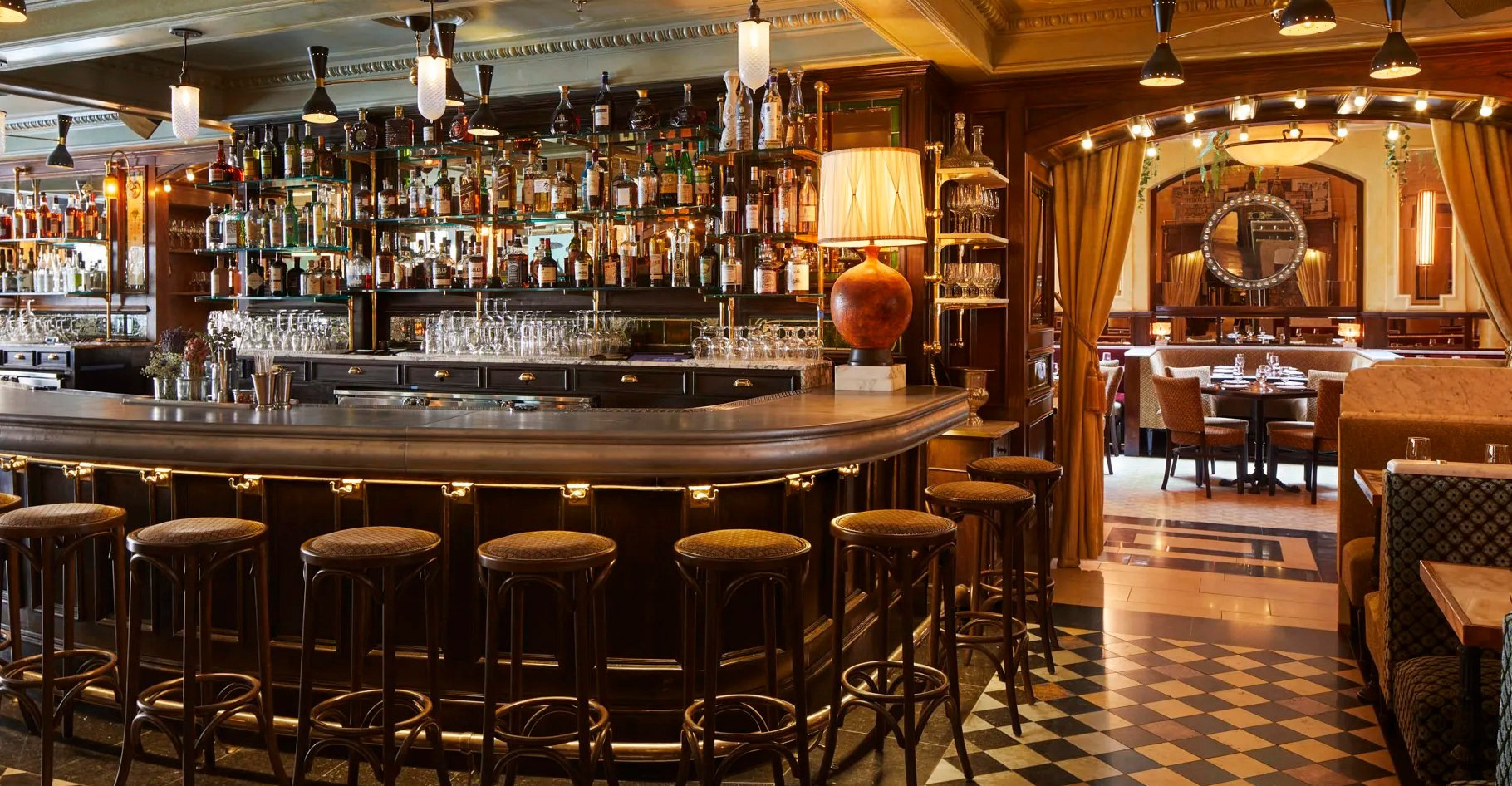
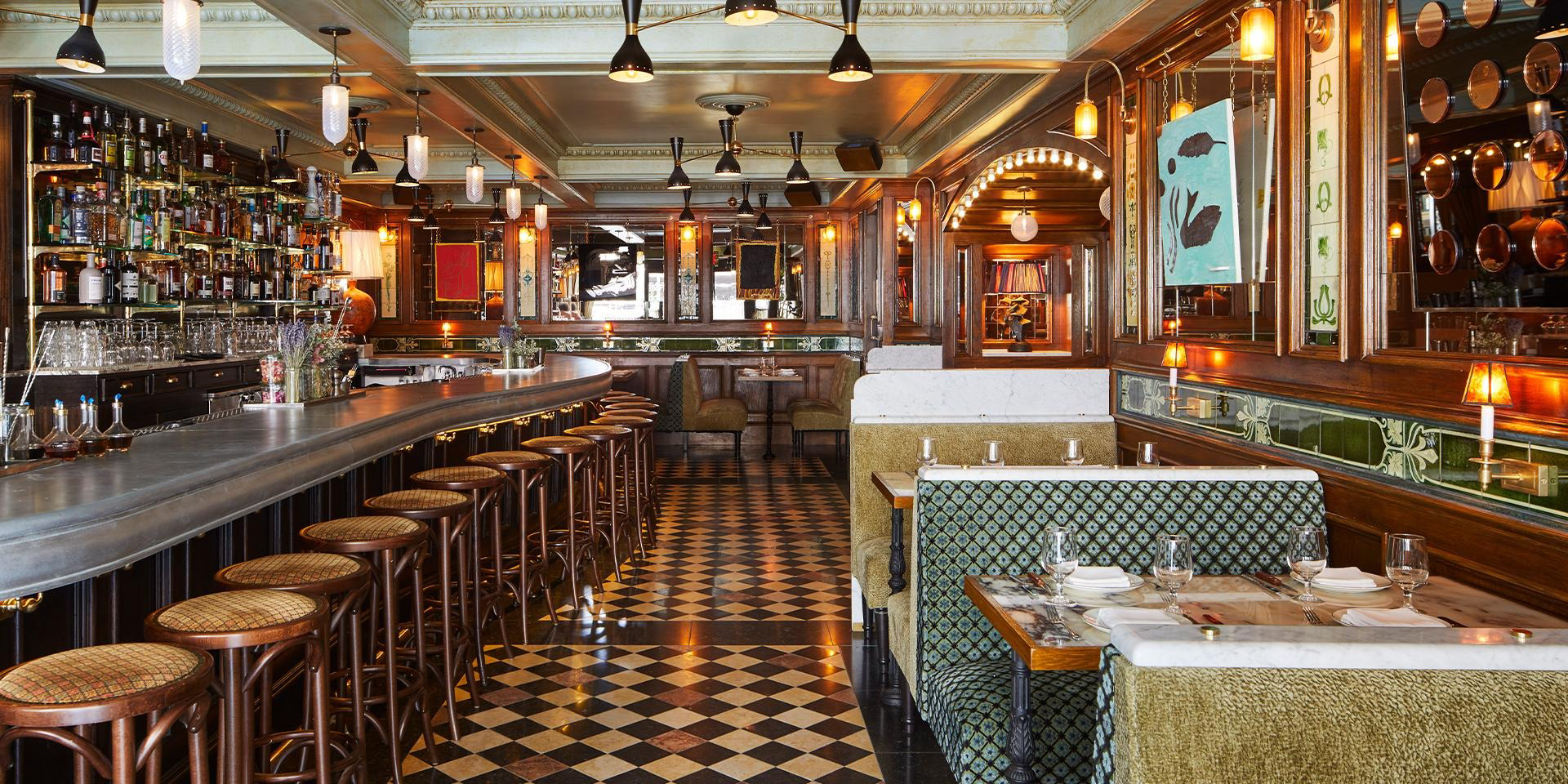
But you don’t walk into Café Chelsea and see a checklist of French references. You feel them. And one of the most important runs right through the center of the room. A custom zinc bar top by La Bastille.
The material can do more than the décor
Long before the French bistro became an aesthetic, zinc was simply part of it.
During the 19th century, rolled zinc counters became common in French cafés. The material was so closely associated with café culture that “le zinc” became a colloquial term for the bar itself.
That history is what makes zinc different from a surface chosen because it happens to look French.
It doesn’t reference the tradition. It belongs to it. That distinction matters when you’re designing a hospitality space.
A convincing room rarely comes from adding more thematic details. Often, it comes from choosing a few materials with enough history and character to carry the idea for you.
At Café Chelsea, the zinc counter establishes a French vocabulary without needing to announce it.
Perfection would actually be the wrong finish
There is another reason zinc works particularly well here. It changes.
Zinc is a living metal. The blue-grey surface develops character through use as hands, glassware, water and normal service gradually affect its patina. La Bastille describes this aging process as one of the defining qualities of its zinc surfaces.
In hospitality design, that can be an asset rather than a flaw. A surface that depends on staying untouched can begin fighting the room the moment the doors open. Zinc does the opposite. The evidence of use becomes part of the material.
And that is particularly fitting at Hotel Chelsea.
New, inside a building that doesn’t feel new
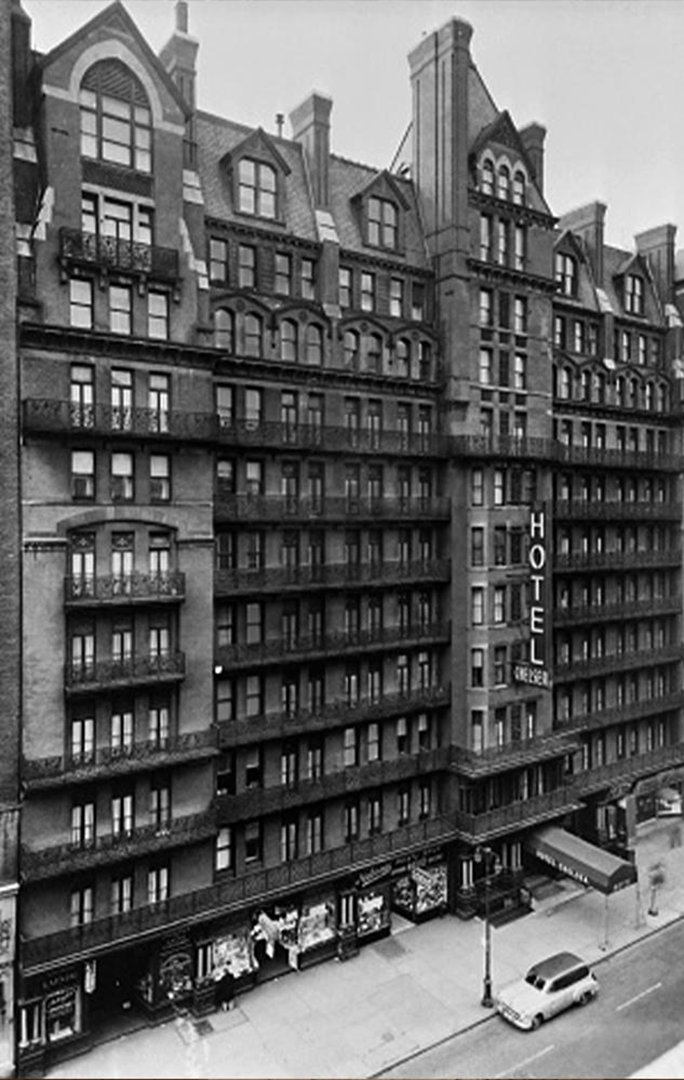
Hotel Chelsea has been collecting creative lives for more than a century. That history creates an unusual design problem: anything too pristine risks feeling foreign to the building. Café Chelsea needed to be a new restaurant without feeling dropped into place yesterday.
The interiors solve that through layering. Vintage-feeling lighting, art, mirrors, banquettes, warm wood and patterned floors create richness without relying on a single grand gesture. Vogue described the restaurant as drawing inspiration from Parisian café culture while maintaining the Hotel Chelsea’s idiosyncratic character.
The zinc bar works for the same reason. It isn’t supposed to remain frozen on opening night. It can age with the restaurant.
The bar should be more than the countertop
There is a useful lesson here for anyone designing a restaurant. The bar is often one of the largest uninterrupted material moments in the room. It is also one of the few architectural surfaces guests are almost guaranteed to touch. They sit against it. Rest their hands on it. Watch drinks being made across it. See it from the entrance.
Photograph it. In a restaurant like Café Chelsea, the bar is not simply a durable work surface. It helps establish what kind of place you have entered.
That makes the material decision unusually important.
Zinc brings a cool blue-grey tone into a room filled with warmer woods and lighting. It can accept curved forms and dimensional edge profiles. And because it develops patina, its character continues to build rather than ending when the interior installation is complete. La Bastille’s custom process allows architects and designers to specify details including curves, radius corners, edge profiles and other project-specific geometry.
A French restaurant doesn’t need more “French.”
It needs the right things. Café Chelsea is interesting because the room understands restraint.
The French influence isn’t dependent on decorative shorthand. It is embedded in the proportions, the atmosphere and, importantly, the materials. And at the center of the space is one of the oldest material cues in French café design: le zinc.
A tradition that began behind the counters of French cafés now runs through a new dining room on West 23rd Street. Not as a reproduction. As a continuation.
Café Chelsea at Hotel Chelsea
New York, NY
Custom cast zinc bar top by La Bastille

Are you an interior designer looking to add a zinc bar to your next project?
 Reach out through our website, and our Director of Sales will be in touch with you.
Just looking for now?
Download our lookbook here.