
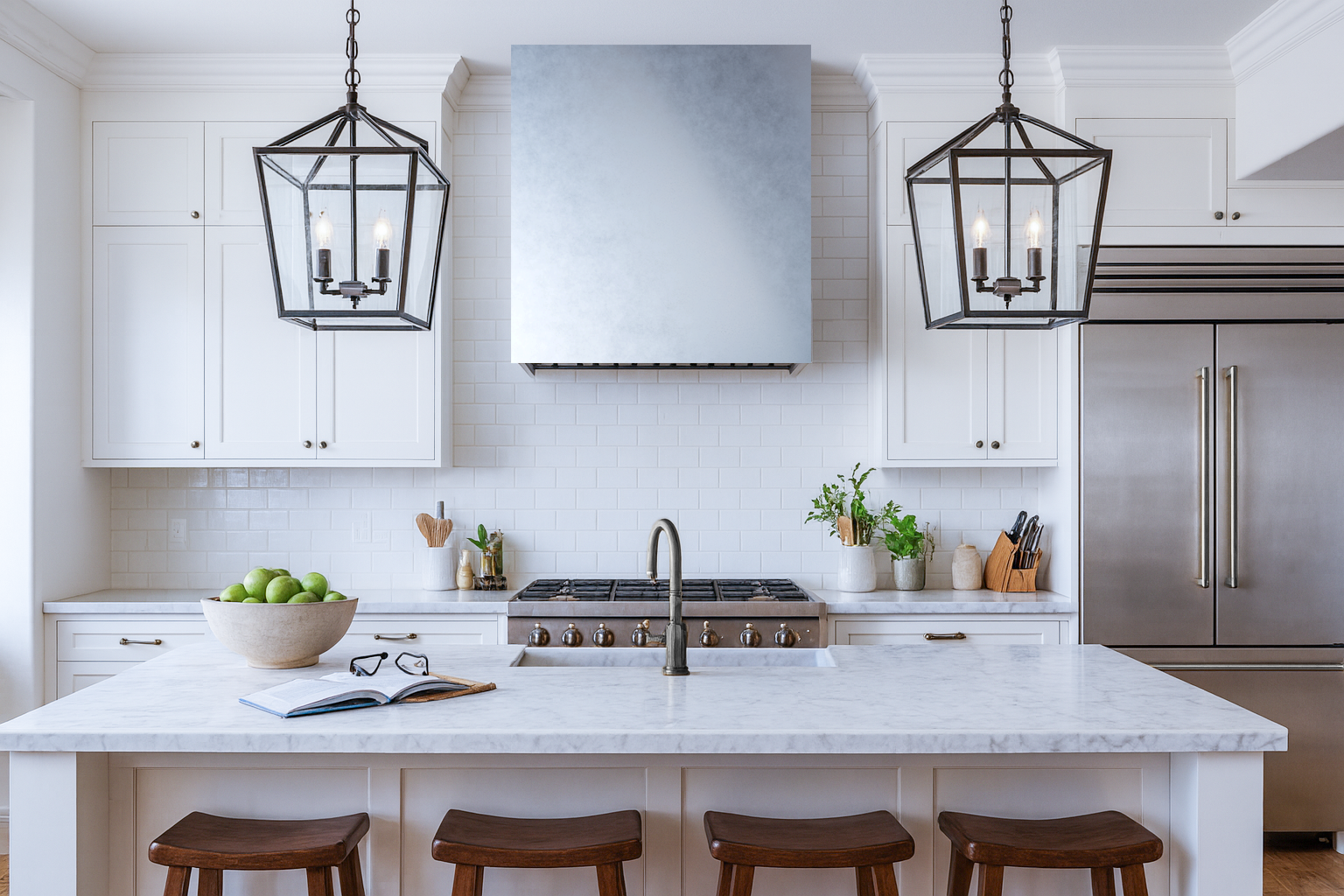
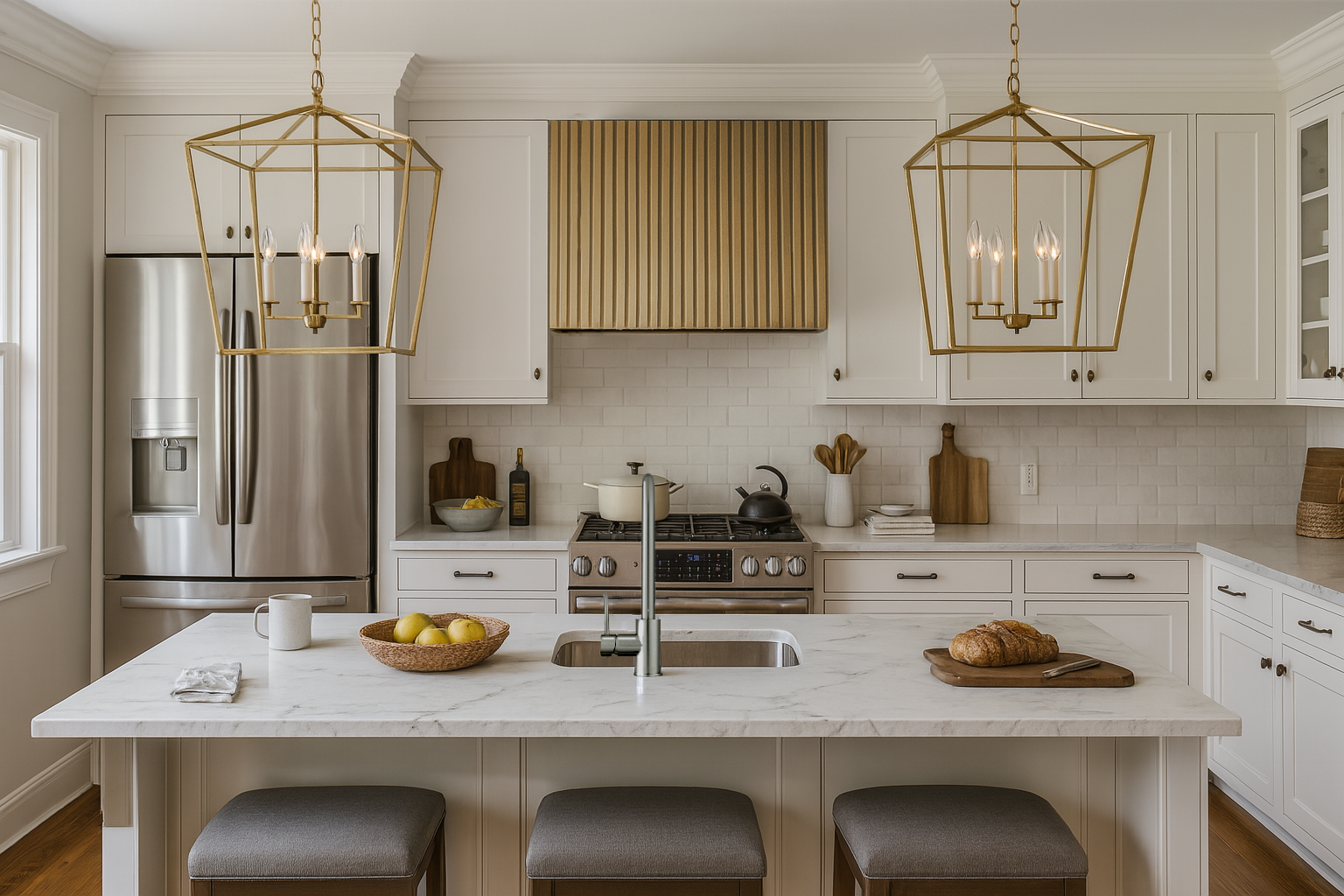
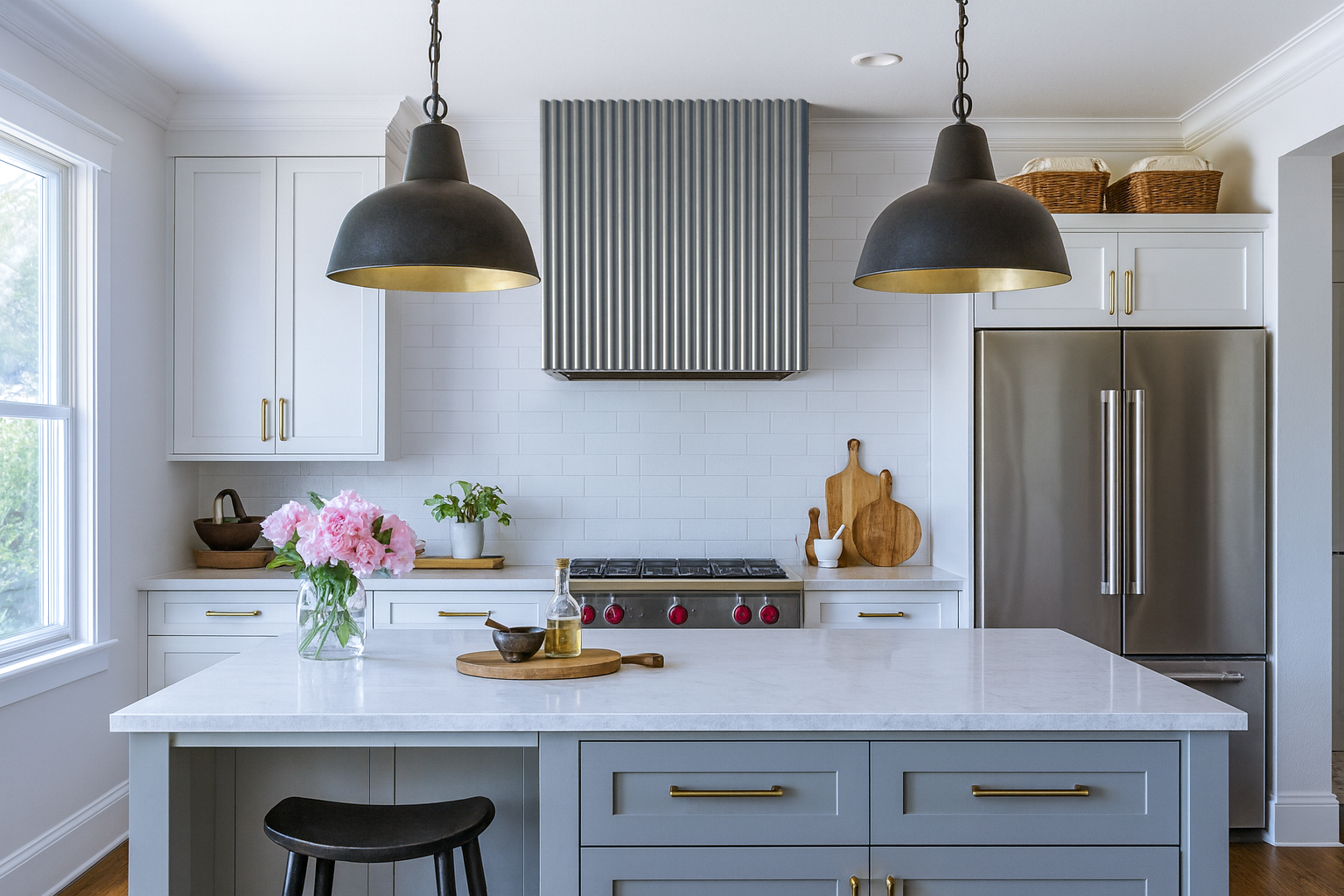


Architects and design professionals working on high-end hospitality, residential, or commercial interiors increasingly specify architectural metal surfaces—cast zinc bar tops, hand-finished brass countertops, bronze cladding, pewter details—as signature design moments. Done well, these surfaces anchor a space and age into something irreplaceable. Done poorly, they become expensive problems that surface during punch-list or, worse, after occupancy. The difference almost always comes down to how the specification was written and which fabricator was selected to execute it.
This guide walks through the full specification workflow for custom metalwork architects rely on: from design intent and material selection through submittals, shop drawings, tolerances, mock-ups, and installation coordination. It also outlines what to demand from a fabricator to protect your project and your client relationship.
Why Architectural Metal Surfaces Require a Different Specification Approach
Standard finish schedules—paint, tile, stone—follow well-established submittal paths. Architectural metal surfaces, particularly hand-cast and hand-finished living metals like zinc, pewter, brass, bronze, and copper, sit outside that framework. Each material behaves differently. Each fabricator’s process is different. And unlike a tile that arrives from a factory to a fixed standard, a cast zinc countertop or a hand-formed copper range hood is an artisan product with genuine variation by design.
That variation is not a defect—it is the material’s character, and it is often the entire reason the designer specified it. But without clear written expectations, that same variation can trigger an approval dispute or a rejected submittal. The specification must be written to accommodate what the material is, not benchmarked against what it is not.
This means your specification documents need to do two things simultaneously: establish precise technical parameters (dimensions, substrate requirements, seam locations, edge profiles, anchoring methods) and define acceptable aesthetic range (patina, tone variation, surface texture) with enough clarity that the fabricator, the general contractor, the owner, and the inspector are all reading from the same document.
Selecting the Right Fabricator Before Specification Begins
Specification work should begin in parallel with fabricator selection, not after. Waiting until a project is permitted and out to bid before vetting metal fabricators is one of the most common—and costly—mistakes in the workflow.
What to Look for in a Design Firm Metal Fabricator
When evaluating fabricators for a high-specification project, ask directly about the following:
- In-house capabilities. Does the fabricator have on-staff designers and artisans, or are elements of the work subcontracted? In-house teams produce more consistent results and can respond faster to RFIs.
- Material sourcing. Where does the alloy come from? For projects with domestic content requirements or sustainability certifications, USA-sourced and USA-fabricated metals matter.
- Portfolio depth in your material. A fabricator who has cast and finished dozens of zinc bar tops understands how that material moves, settles, and ages. Ask for references in the same alloy family.
- Technical documentation capability. Can the fabricator produce true shop drawings in a format your team can review and stamp? Can they provide material data sheets and finish samples at the submittal stage?
- Lead time transparency. Custom cast metalwork at the level architects specify for luxury interiors typically carries a 12–14 week fabrication lead. Any fabricator who cannot give you a credible lead time at inquiry has not actually evaluated your scope.
At La Bastille, we bring both technical and artistic expertise to every project. Our in-house team of designers and skilled artisans handles the full scope—material sourcing, design development, fabrication, and finish—entirely in the USA. That integrated process is what makes reliable submittals and shop drawings possible.
Specifying Custom Metalwork: The Full Workflow
Phase 1 — Design Intent and Material Selection
The specification process begins with a clear design intent document. For architectural metal surfaces, this means:
- Alloy selection with finish language. Not just “zinc” but “cast zinc with a hand-applied aged patina in a blue-grey tone range.” Not just “brass” but “brass with a brushed satin finish, unlacquered, allowed to develop natural patina.” Naming the living quality of the metal in the spec protects the designer’s intent and sets the owner’s expectation correctly from day one.
- Application context. Is this a countertop with food contact? A bar top with continuous liquid exposure? A decorative wall panel? Application drives alloy thickness, edge treatment, substrate requirements, and maintenance protocols—all of which belong in the specification.
- Performance parameters. Define the functional requirements: flatness tolerance, acceptable surface variation, seam spacing, joint treatment, coefficient of thermal expansion considerations for large runs.
For orientation, here is a brief material reference by common application:
| Metal | Character | Common Applications |
|---|---|---|
| Cast Zinc | Blue-grey, develops warm patina | Bar tops, kitchen countertops, architectural details |
| Pewter | Silvery, low-maintenance, mirrors or patinas | French bistro bars, residential countertops |
| Brass | Warm gold tones, highly versatile | Countertops, bar tops, decorative panels |
| Bronze | Rich, sculptural, harder alloy | Countertops, cladding, range hoods |
| Copper | Warm, antimicrobial, vivid patina range | Range hoods, bar accents, specialty surfaces |
Phase 2 — Submittals
Submittals for custom metalwork architects specify should include the following, at minimum:
Material Submittals
- Alloy certification or mill certificate confirming material composition
- Country of origin documentation if required by project specifications
- Finish samples (physical samples, not digital representations) in the specified alloy and finish, sized generously enough to show the full tone range and surface texture
Shop Drawing Submittals
- Full dimensioned drawings showing every piece, seam location, edge profile, and anchoring detail
- Elevation and plan views with tolerances noted
- Substrate and support structure requirements called out clearly
- Coordination dimensions tied to adjacent trades (cabinetry, plumbing rough-in, ventilation)
A responsible fabricator delivers shop drawings as a working coordination document, not as a formality. At La Bastille, our design team generates detailed technical shop drawings as a standard part of our project workflow. These drawings are the bridge between your design intent and the artisan’s bench—and they are reviewed and approved before a single piece of alloy is cast.
Phase 3 — Tolerances
Tolerance specification for cast and hand-finished metals requires different language than manufactured products. Here is practical guidance for common parameters:
- Flatness: For cast zinc and pewter countertop runs, a flatness tolerance of ±1/16″ over a 10-foot run is a reasonable and achievable standard. Specify measurement method (straightedge, not laser) to prevent disputes.
- Seam gaps: For welded and finished seams, specify maximum visible gap at final installation, typically 1/32″ or less for high-specification work.
- Thickness variation: Hand-cast metals have inherent thickness variation by character. Specify a nominal thickness with an acceptable range (e.g., nominal 1/8″ with +1/32″ / -1/64″ tolerance) rather than a single hard value.
- Color and finish: Rather than specifying a single color standard, specify an approved sample range. Require the fabricator to submit low, mid, and high range finish samples and document the approved range in the submittal log.
Phase 4 — Mock-Ups
For projects of significant scope—a full restaurant bar top, a hotel lobby detail, a custom range hood installation—requiring a mock-up is standard professional practice and genuine project protection.
A mock-up serves several purposes simultaneously:
- It confirms the fabricator can achieve the specified finish at full scale
- It provides a physical reference standard for the GC and owner
- It surfaces coordination issues with adjacent trades before installation begins
- It locks in the aesthetic approval before fabrication of the full scope
Specify mock-up requirements in the specification section, not in a verbal direction during OAC meetings. Include: minimum size (typically a representative section showing at least one seam and one edge condition), finish standard it must match, review timeline, and disposition instructions (mock-up retained on site as reference, or returned to fabricator).
Phase 5 — Installation Coordination and Closeout
Custom metalwork architects specify for high-end interiors almost always requires close coordination with the GC and the millwork or cabinetry contractor. Metal surfaces arrive with tight dimensional tolerances; the substrate they land on must be equally controlled.
Specify in your documents:
- Substrate flatness requirements prior to metal installation
- Environmental conditions during installation (temperature and humidity range)
- Protection requirements during construction (metal surfaces specified for luxury interiors should not be in place during active construction without protection protocols)
- Maintenance and care documentation to be delivered at project closeout
What to Demand from a Fabricator to Protect Your Project
Beyond submittals and shop drawings, there are several non-negotiable expectations that protect your project and your professional reputation:
1. A single point of contact with design authority. You should not be navigating a sales team, a project manager, and a separate design contact. An experienced fabricator assigns someone with technical knowledge of the metal and the process to your account from day one.
2. Proactive communication on lead times. If your fabricator’s schedule is impacted, you need to know with enough lead time to adjust your construction schedule—not three weeks before delivery.
3. Written confirmation of scope at every stage. Design revisions, finish approvals, dimension changes—every change should be confirmed in writing and reflected in a revised submittal or shop drawing. Verbal approvals during site visits are not project documentation.
4. Domestic fabrication for quality and schedule control. International fabrication of luxury custom metals introduces quality control variables and shipping lead times that are very difficult to manage within a high-specification project schedule. USA-fabricated custom metalwork gives you a supply chain you can actually trace and a fabricator you can reach.
5. Finish warranty and maintenance guidance. Living metals—zinc, pewter, brass, bronze, copper—develop patina over time by design. A responsible fabricator provides written documentation of what that aging process looks like, how it can be maintained or encouraged, and what constitutes a warranty condition versus natural character development.
FAQ: Custom Metalwork for Architects and Design Firms
What information does a fabricator need to provide an accurate quote?
At minimum: finished dimensions, alloy and finish specification, edge profile, substrate type, seam locations, and installation context (countertop, bar top, range hood, wall panel). The more complete your design intent documentation at inquiry, the more accurate the initial scope and lead time estimate will be.
How far in advance should we engage a fabricator for a high-specification project?
For cast metal countertops, bar tops, and range hoods at a luxury level, engage your fabricator at design development, not at construction documents. A 12–14 week fabrication lead time means late engagement creates real schedule risk.
Can living metals be specified for commercial food service environments?
Yes. Cast zinc, pewter, and copper have long histories in commercial bar and restaurant applications. The specification must address edge sealing, joint treatment, and cleaning protocols appropriate to the service environment. Your fabricator should be able to provide documentation on food-safe finish options.
What is the difference between the Bastille Collection and fully custom work?
La Bastille’s Bastille Collection is a trade-only curated line of cast zinc and brass range hoods in standard sizes—designed for volume projects and builders requiring consistent, high-end quality with shorter lead times. Fully custom work is entirely one of a kind, designed and fabricated to your exact specifications in any of our alloy families.
How does La Bastille support the submittal process?
We generate detailed technical shop drawings and provide physical finish samples as standard deliverables. Our in-house design team is available to work directly with your team through the review and approval process.
Working with La Bastille on Your Next Specification
We partner with architects and design firms across North America to deliver custom metalwork that holds up under the scrutiny of a rigorous specification process and ages into something a client talks about for years. Our in-house team—designers and artisans working together under one roof, sourcing and fabricating entirely in the USA—brings the technical depth and the craft attention that luxury projects demand.
If you are working on a project that calls for architectural metal surfaces, we welcome the conversation early. Reach out to our team to begin a design consultation, request physical finish samples, or discuss lead times and scope. We respond within one to two business days, and we are glad to work through the specification questions that actually protect your project.